

.webp)








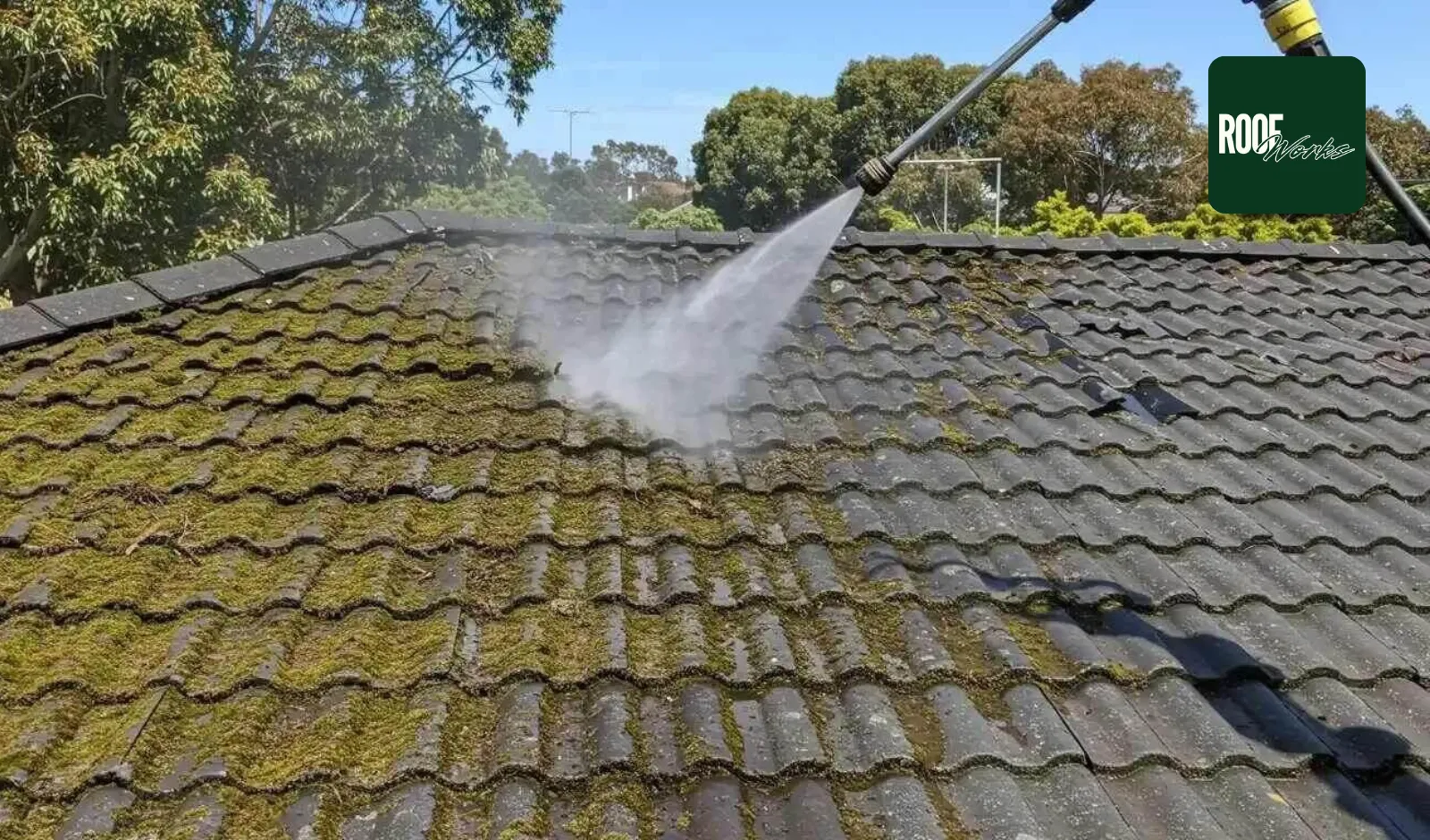


If you’re spotting green patches, fuzzy growth, or slippery areas forming on your roof, you’re definitely not the only one. Moss loves damp, shaded places and can quickly spread across tiles or metal surfaces. What starts as a cosmetic issue can turn into lifted roofing materials, trapped moisture, and hidden leaks.
Many homeowners start looking into how to clean your roof once the moss becomes noticeable, but timing plays an even bigger role than most people realise.
That’s why choosing the right time of year to remove moss isn’t just helpful, it’s one of the most important steps in protecting your roof. The weather, the moss growth cycle, and the condition of your roof all play a role in how effective moss removal will be. This guide explains the ideal season for treatment and why timing matters for long-lasting results.
Why is choosing the right time so important?
Moss doesn’t just look unsightly, it can seriously shorten the life of your roof. It holds water, lifts roofing materials, and gives mould and algae a foothold.
Removing it isn’t just a cleaning job; it’s maintenance, protection and preservation. And timing matters because of weather, roof-access safety, moss growth cycles and the long-term effectiveness of treatments.
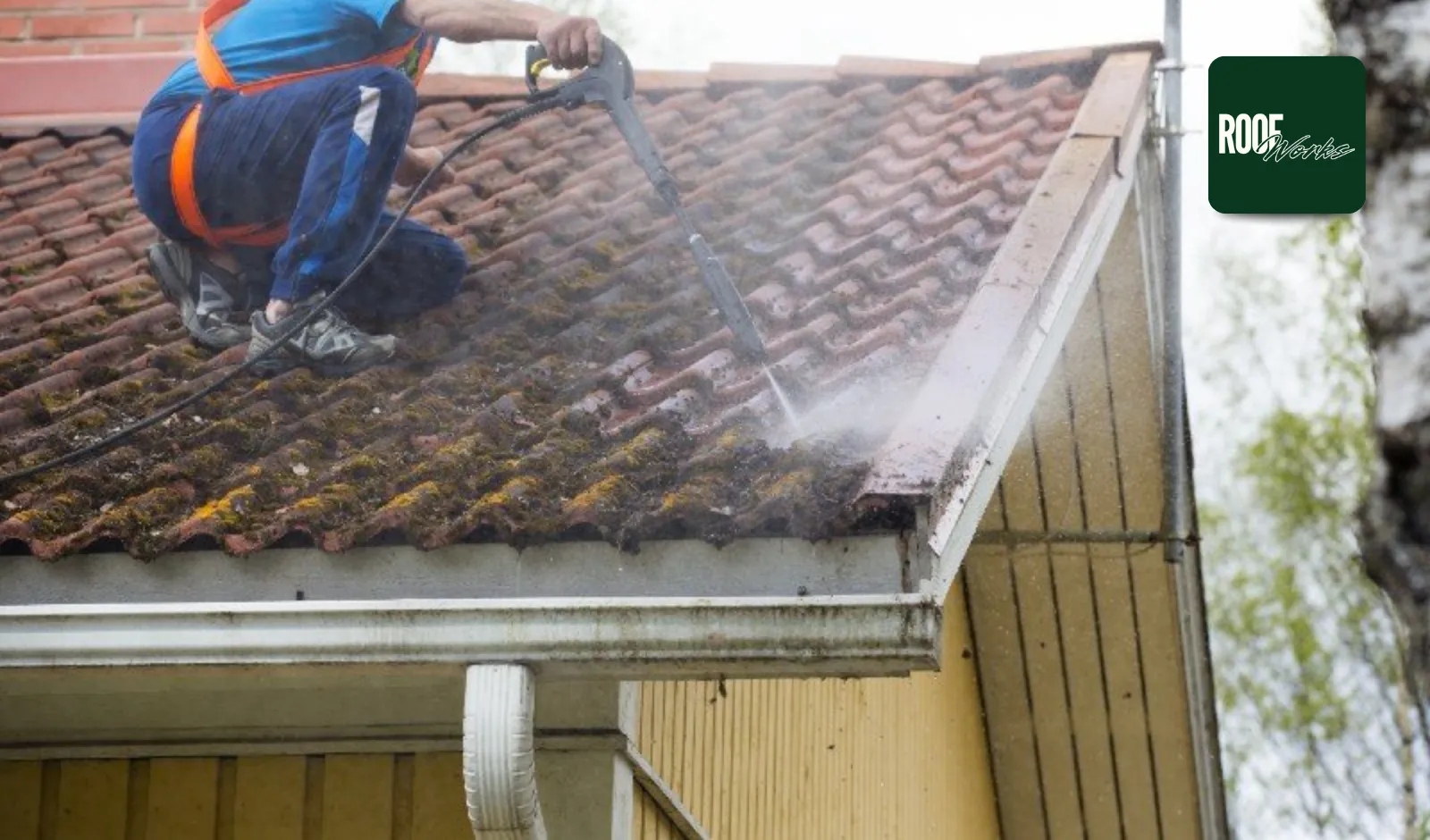
When Should You Remove Moss From Your Roof?
Here are the ideal windows:
- Late summer to early autumn - This tends to be one of the best times. The roof is still relatively dry, the weather is milder (safer for roof work) and moss growth has often peaked after winter/spring dampness.
- After the wet season but before heavy storms - areas like Auckland have steady rainfall. It is best to remove moss after the heavy rains but before winter. This way, the roof stays in good shape, and the treatment can settle before more moisture arrives.
- Spring (in moderate climates) - If your roof sits in shade under trees or you’ve just had major pruning/clearance, spring can work well because you’ll remove last year’s growth and prepare the roof for summer weather.
- Avoid peak winter or heavy-rain periods - Slippery roofs, high moisture and frequent storms make roof work riskier and less effective. Also, treatments need a dry period to work properly.
In short: late summer to early autumn is generally your sweet spot.
Practical Signs That It’s The Right Time
- You notice visible moss patches, lichen or discolouration.
- Roof access is safe: no ice, heavy rain, wind or slippery surfaces.
- Your gutters, downpipes and overhanging trees have been cleaned or trimmed (so access and drainage are clear).
- You’re planning a roof inspection, repaint or reroof. Removing moss beforehand makes those jobs easier and more effective.
- You want to prolong roof life: a professional treatment applied at the right time will work longer and reduce risk of regrowth.
What To Expect When You Act At The Right Time
When you schedule moss removal during the optimal window, you’ll enjoy:
- A safer, smoother process with better roof access, fewer disruptions and less risk of accidents.
- A more effective treatment: moss and spores are easier to remove/destroy when the roof isn’t saturated and the surface is stable.
- Longer-lasting results: once moss is removed and a treatment applied, regrowth is delayed. Many providers say you’re protected for 12 months or more.
- Better value: fewer repairs, less damage, and less frequent cleaning needed over time.
Why Leave It Too Long And You Pay The Price
If you ignore moss until it’s advanced, several things happen:
- The moss has had more time to lift tiles and let in moisture that could lead to structural risk.
- Surfaces become slippery and unsafe for roof workers or DIY attempts.
- The aesthetic value drops. A moss-covered roof signals neglect and may hurt curb appeal or resale value.
What You Can Do Now
- Schedule an inspection with Roof Works to assess moss cover, roof condition and timing.
- If it’s late summer/early autumn and your roof shows signs of moss, book the removal/treatment now rather than waiting.
- Trim any nearby trees or shade-causing foliage, clear gutters, check for blocked down-pipes. Prepping your roof helps the treatments work optimally.
- Consider a regular maintenance plan: a moss-check once a year with treatment as needed beats the cost of major repairs later.
Final Thought
In Auckland’s changing climate, timing makes all the difference. The best time to remove moss from your roof is when conditions are dry, stable, and before the next heavy season arrives. Treating moss during this window ensures safer access, stronger results, and protection that lasts.
If you’re already seeing moss patches, dark staining, or early signs of damage, now is the perfect moment to act. An expert inspection from Roof Works can confirm what your roof needs and help you stay ahead of long-term issues.
Roof Works also offers 24/7 Emergency Roof Repair Services, so whether it’s moss, leaks, or sudden storm damage, help is always just a call away.
The sooner you take action, the better you protect your home, extend your roof’s lifespan, and maintain your peace of mind. If you need help, our team is ready whenever you are.
Call 03 667 3174 or book online to save $15 on your next roof service with Roof Works.


Got a question?
Contact us for a FREE installation quote or book your job online today.

Same Day Service Guarantee - Terms & Conditions

The "Same Day Service Guarantee or it's Free" applies to:
a. Residential work and Commercial only.
b. Jobs specified as needing same day service when booking a job by phone or online.
c. Residential and Commercial work booked with Grammar Electrical:
i) Before 11:00AM
ii) For calls or online bookings received after 11:00AM, the customer will be offered a job. Booking for the next business day and normal callout fees ($170+ GST) will apply.
iii) Any other jobs booked outside business hours (9:00AM - 5:00PM Monday- Friday) will incur after hours charges.
iv) This offer is excluded for jobs booked on New Zealand public holidays.
d. If Grammar Electrical are unable to attend on the same day (within 24 hours) for a job booked by the customer, the standard callout fee of $170 + GST will be waived and is free, but all other normal charges, fees and expenses will apply to perform the Electrical Services and to provide any products/materials concerning those services.
e. The Standard Callout Fee will be deducted from your bill as long as you pay within your invoice's due date. The callout charge is applicable if your invoice is overdue.
f. If Grammar Electrical are willing and able to perform the Service or provide the Goods on the same day the job is booked, however the Customer for whatever reason does not give access to their property on the day, Grammar Electrical will be deemed to have complied with it's "Same Day or it's Free" guarantee and shall be entitled to charge the customer the standard call-out fee.
g. This offer is not a guarantee of work being completed. The completion of the job will depend on stock availability and also the amount of work required.