

.webp)








When planning a roofing project, one of the most common decisions is choosing between clay vs concrete roof tiles in NZ homes. Both materials are popular and offer strong protection, but they have important differences.
In New Zealand, where weather conditions can vary, selecting the right roofing material is important. Factors like high wind, rain, and temperature changes all affect roof performance. Understanding the benefits of each option can help you make the right choice for your home.
What Are Clay Roof Tiles?
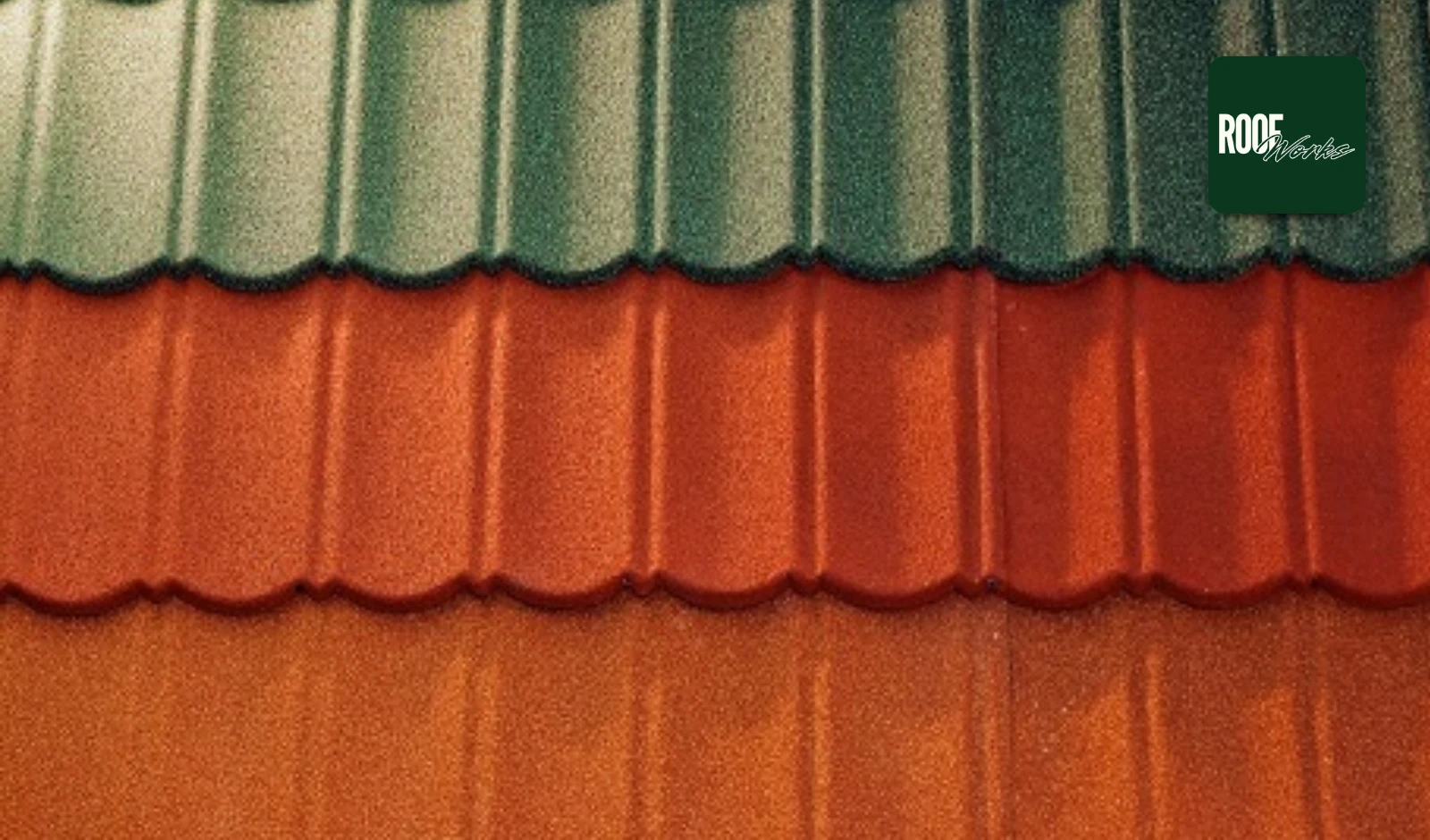
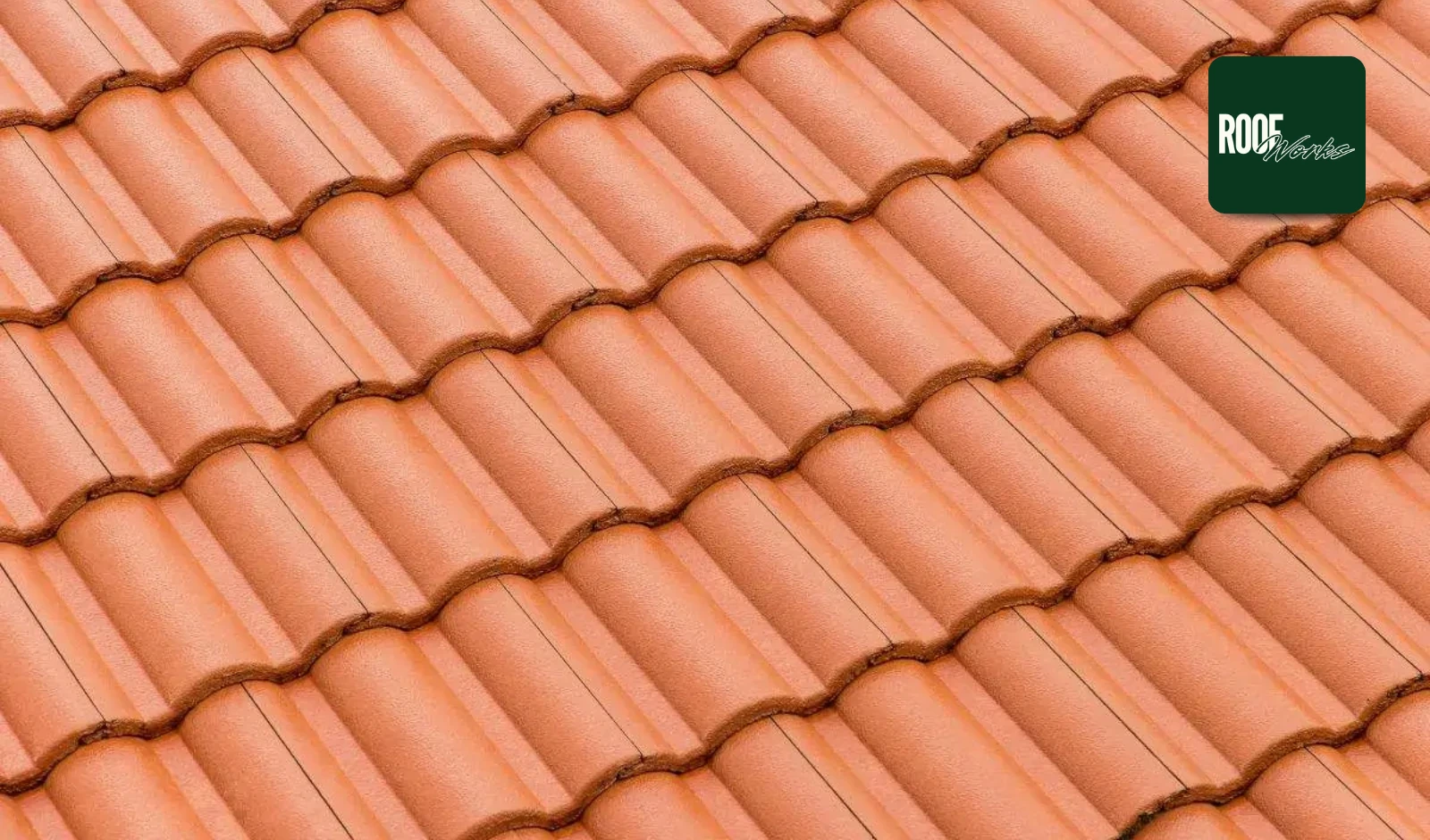
Clay tile roofing is made from natural clay that is shaped and baked at high temperatures. This process creates a strong and long-lasting material.
Clay tiles are known for their:
- Classic and timeless appearance
- Excellent durability
- Long lifespan, often reaching up to 100 years
They are often chosen for their strong aesthetic appeal and ability to maintain colour over time.
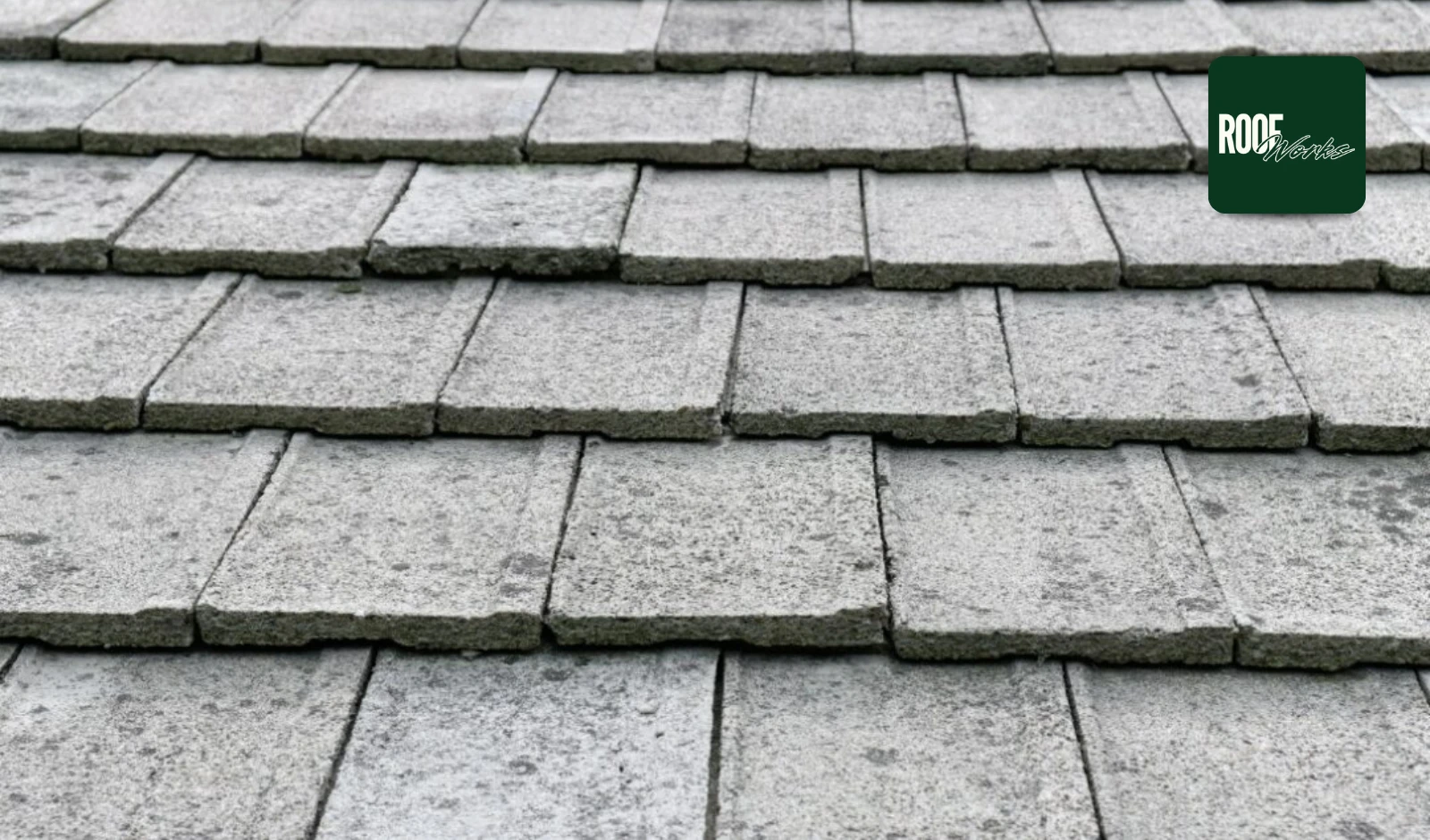
What Are Concrete Roof Tiles?
Concrete roof tiles are made from a mixture of cement, sand, and water. These materials are moulded into different shapes and styles.
Concrete tile roofing is popular because it offers:
- A more cost-effective solution
- A wide range of styles and finishes
- Good durability, usually lasting around 50 years
It is often used as an alternative to clay because of its affordability and flexibility.
Clay vs Concrete Roof Tiles: Key Differences
- Lifespan - Clay tiles are known for their long service life, often lasting up to 100 years. In comparison, concrete tiles typically last around 50 years with proper care.
- Cost - Concrete tile roofing is generally more affordable. Clay tiles often cost more because of the materials and manufacturing process.
- Weight and Roof Structure - Both options are heavy compared to materials like asphalt shingles. However, clay tiles can be slightly heavier, which means your roof structure must be strong enough to support them.
- Appearance - Clay tiles offer a natural, high-end look that many homeowners prefer. Concrete tiles can mimic the look of clay and come in a wide range of finishes.
- Durability in Weather - Both clay and concrete roof systems perform well in harsh conditions. They can handle high wind, rain, and sun exposure when properly installed.
Energy Efficiency and Performance
Both types of roof tiles can improve energy efficiency. Their density helps regulate indoor temperatures by reducing heat transfer.
Clay tiles often reflect more sunlight, which can keep homes cooler. Concrete tiles also provide insulation, making them suitable for different climates.
Choosing the Right Roof Tile
When choosing the right roof tile, there is no one-size-fits-all answer. It depends on your priorities and the needs of your home.
Consider the following:
- Budget for your roofing project
- Desired lifespan of the roof
- Style and aesthetic appeal
- Strength of your existing roof
- Local weather conditions
Both clay and concrete roof options can perform well when selected carefully.
Installation Matters
No matter which material you choose, proper installation is essential. Poor installation can lead to leaks, damage, and reduced lifespan.
Working with experienced professionals ensures:
- Correct fitting of tiles
- Secure placement in high wind areas
- Long-term performance of the roofing material
Incorrect installation is one of the most common causes of roof issues.
Maintenance and Repairs
Both clay and concrete roof tiles require regular maintenance to stay in good condition.
Common maintenance tasks include:
- Checking for cracked or broken tiles
- Cleaning debris from the roof
- Inspecting after storms
If problems occur, roof repair specialists can assess the damage and recommend the best solution.
In urgent situations, such as leaks during heavy rain, emergency roof leak repair may be needed to prevent further damage.
Clay and Concrete Roof in NZ Conditions
In New Zealand, weather conditions can be unpredictable. Strong winds, heavy rain, and temperature changes all impact roofing performance.
Both clay and concrete roof systems are suitable for NZ homes. However, proper installation and regular maintenance are critical for handling local conditions.
Choosing durable materials and working with experienced professionals can help ensure long-term protection.
Comparing Other Roofing Options
While clay and concrete tiles are popular, there are other types of roof tiles and materials to consider.
Asphalt shingles are lightweight and affordable, but may not last as long. Metal roofing is another option that offers durability and low maintenance. Still, for many homeowners, clay and concrete roof tiles provide the best balance of durability, appearance, and performance.
Final Thoughts
Choosing between clay and concrete roof tiles comes down to your priorities. Clay offers a longer lifespan and a premium appearance, while concrete provides a cost-effective and flexible option.
Both materials perform well when installed correctly and maintained over time. If you understand your options, you can choose the right roof with confidence.
Protect Your Roof With Expert Guidance
Your roof is an investment, so it’s important to choose the right materials and install them properly. Expert help makes sure your roof stays strong, safe, and lasts for years.
Call Roof Works today on 03 667 3174 or book online to save $15 and get expert help protecting your roof.




Got a question?
Contact us for a FREE installation quote or book your job online today.

Same Day Service Guarantee - Terms & Conditions

The "Same Day Service Guarantee or it's Free" applies to:
a. Residential work and Commercial only.
b. Jobs specified as needing same day service when booking a job by phone or online.
c. Residential and Commercial work booked with Grammar Electrical:
i) Before 11:00AM
ii) For calls or online bookings received after 11:00AM, the customer will be offered a job. Booking for the next business day and normal callout fees ($170+ GST) will apply.
iii) Any other jobs booked outside business hours (9:00AM - 5:00PM Monday- Friday) will incur after hours charges.
iv) This offer is excluded for jobs booked on New Zealand public holidays.
d. If Grammar Electrical are unable to attend on the same day (within 24 hours) for a job booked by the customer, the standard callout fee of $170 + GST will be waived and is free, but all other normal charges, fees and expenses will apply to perform the Electrical Services and to provide any products/materials concerning those services.
e. The Standard Callout Fee will be deducted from your bill as long as you pay within your invoice's due date. The callout charge is applicable if your invoice is overdue.
f. If Grammar Electrical are willing and able to perform the Service or provide the Goods on the same day the job is booked, however the Customer for whatever reason does not give access to their property on the day, Grammar Electrical will be deemed to have complied with it's "Same Day or it's Free" guarantee and shall be entitled to charge the customer the standard call-out fee.
g. This offer is not a guarantee of work being completed. The completion of the job will depend on stock availability and also the amount of work required.