

.webp)






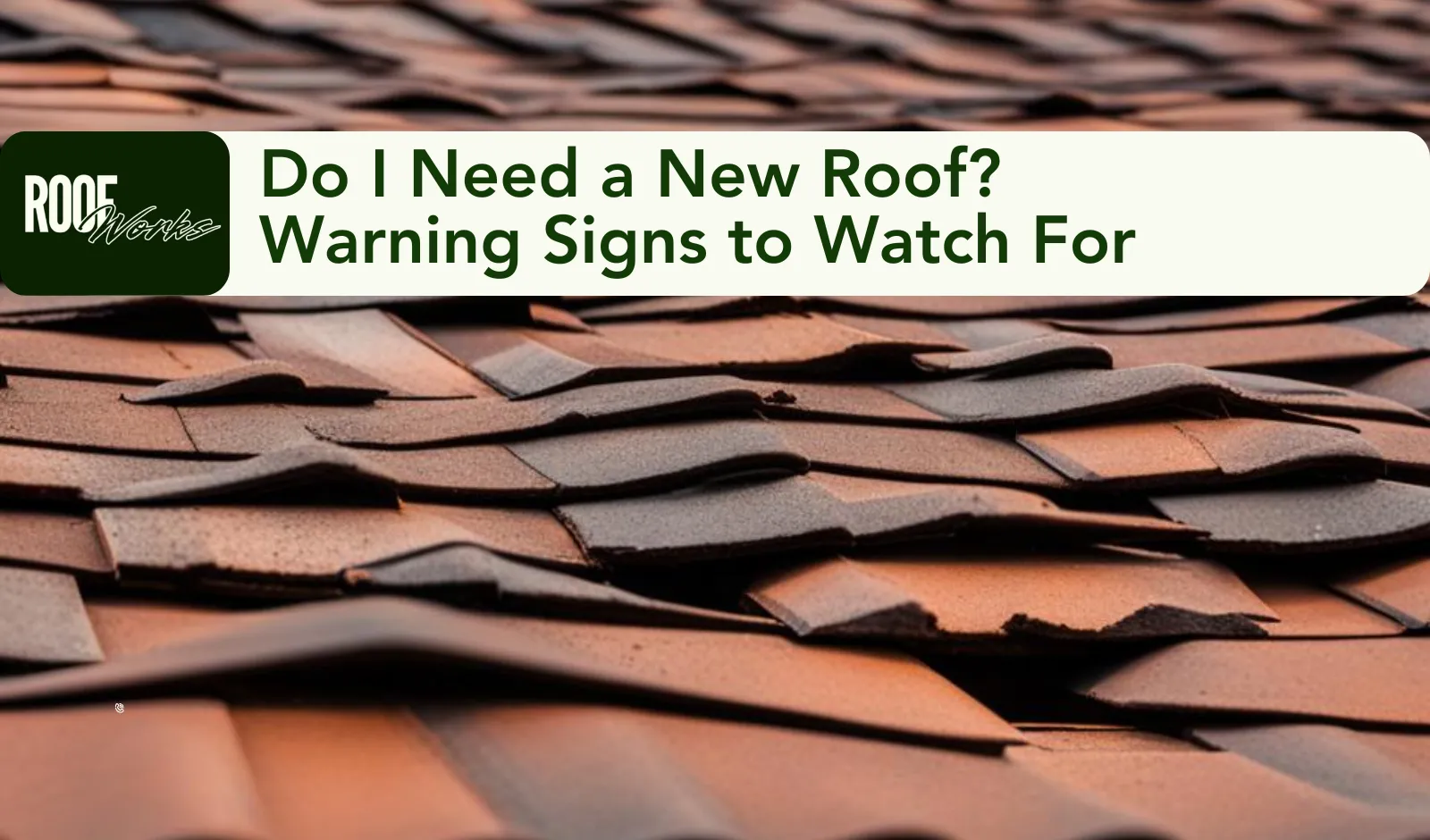
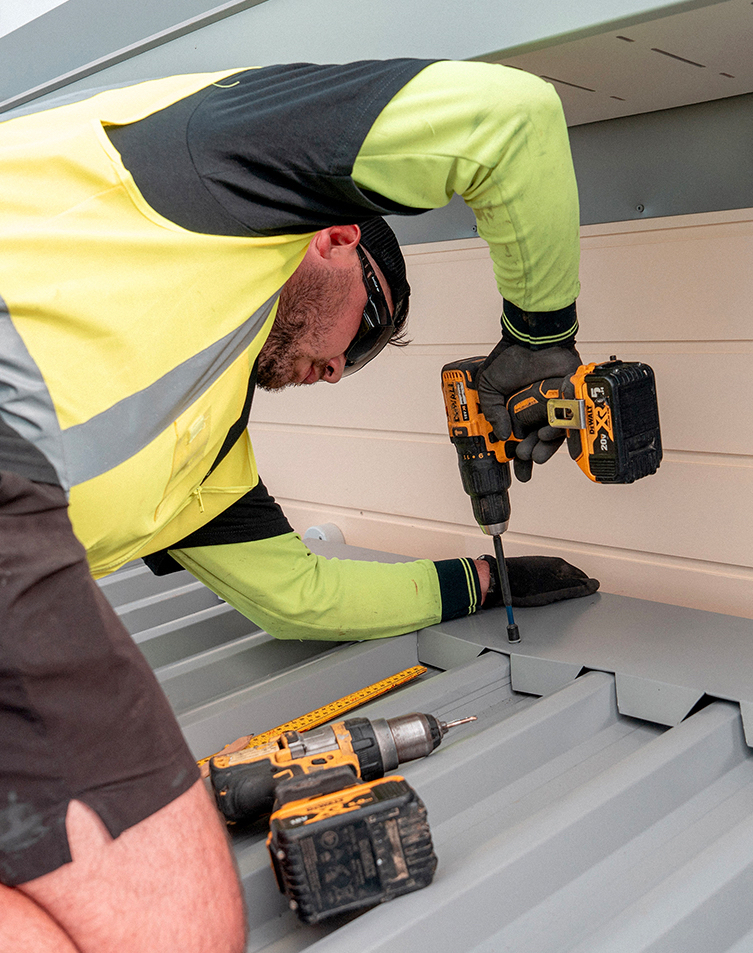
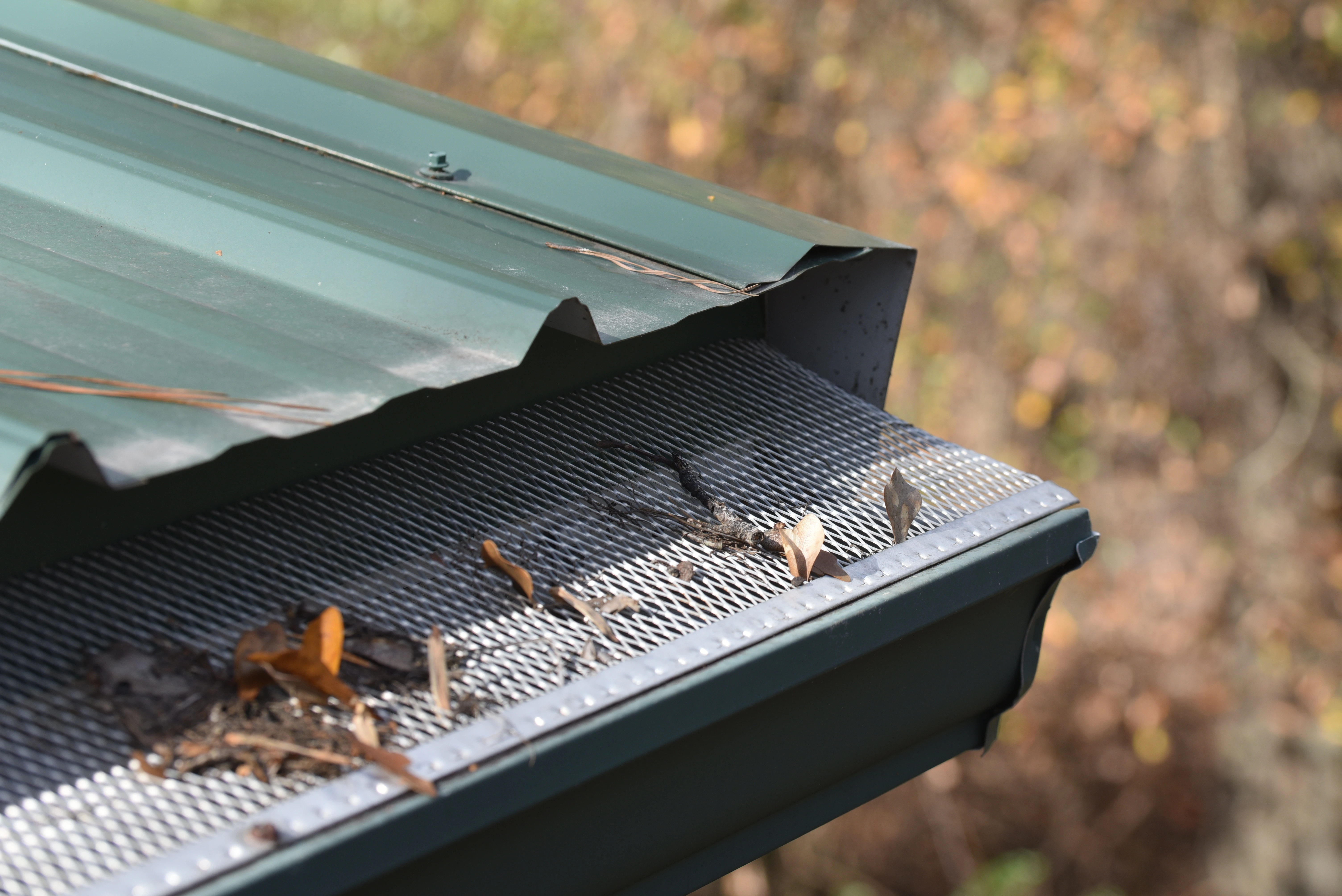
Many homeowners ask the same question at some point: do I need a new roof, or can repairs still do the job? Roof problems often develop slowly, which makes them easy to ignore until damage becomes serious. Knowing the warning signs you need a new roof can help you act early and avoid bigger problems down the track.
This guide explains common signs of roof failure, what causes them, and how to decide when replacement may be the smarter option.
Why Roof Problems Should Not Be Ignored
Your roof plays a major role in protecting your home from the elements. When issues are left untreated, roof leaks can lead to hidden water damage, mould, and even structural damage. In many cases, delaying action results in costly repairs that could have been avoided with earlier attention.
A regular roof may look fine from the outside, but problems often start beneath the surface, especially on older roofs.
Common Warning Signs You May Need a New Roof
Several clear warning signs suggest your roof may be reaching the end of its lifespan. These are also common signs of roof failure that professionals look for during a roof inspection.
1. Ongoing Roof Leaks
Repeated leaks are a major sign that your roof is no longer doing its job. While minor roof repairs may help temporarily, frequent leaks often mean the roofing system is failing.
2. Visible Water Damage Inside the Home
Stains on ceilings or walls are often linked to roof problems. Once moisture enters the roof cavity, damage can spread before it becomes visible.
3. Sagging Roof Areas
A sagging roof is a serious warning sign. It often points to trapped moisture, rotting timber, or weakened support structures and should be addressed immediately.
4. Wear and Tear Over Time
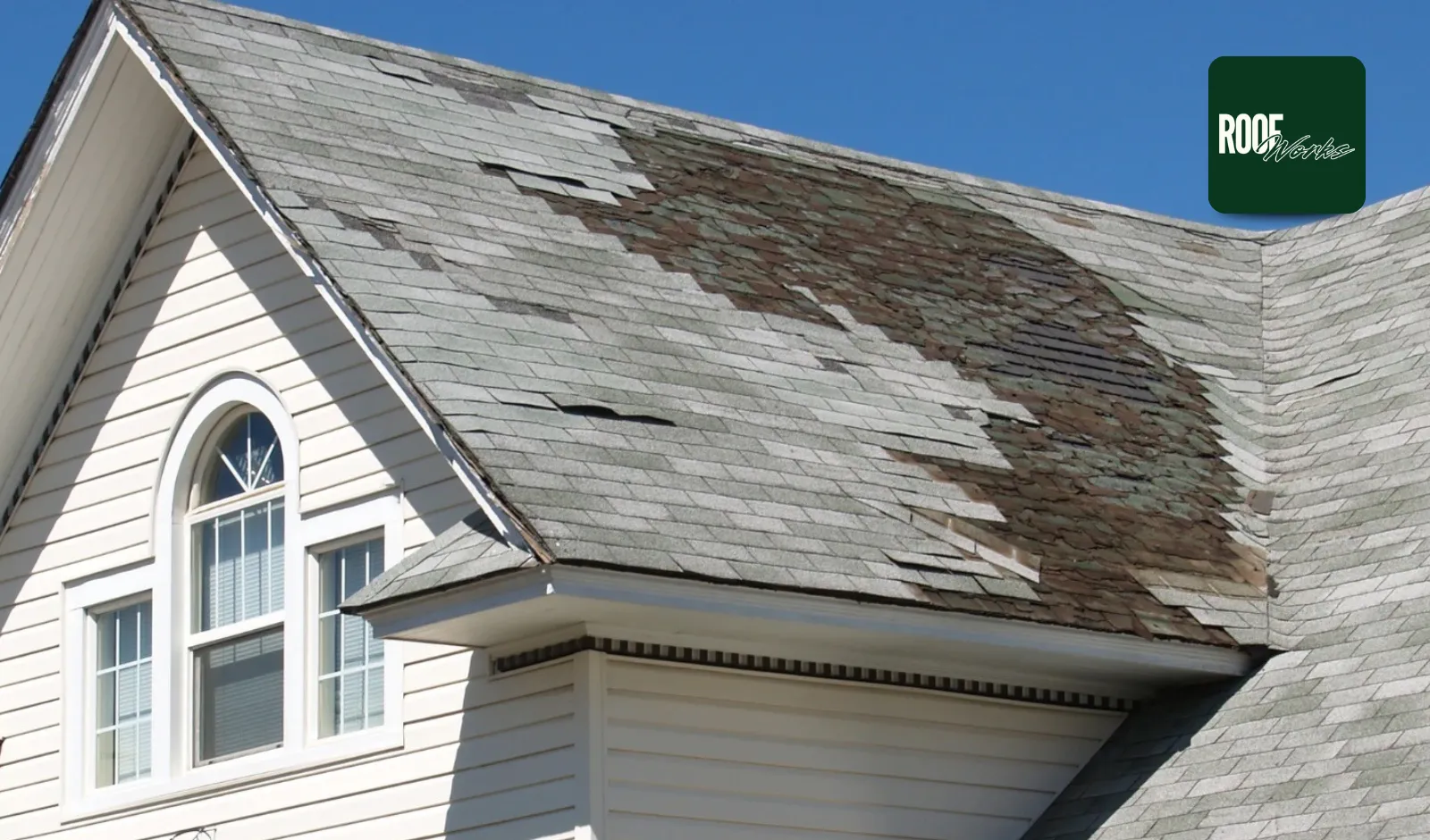
All roofs experience wear and tear. Cracked materials, lifting edges, or general deterioration are common signs of roof ageing, especially on older systems.
5. Repeated Repairs With No Lasting Fix
If you are constantly paying for repairs, it may no longer be cost-effective. At a certain point, replacing the roof becomes the smarter financial choice.
Roofing Materials and Their Lifespan
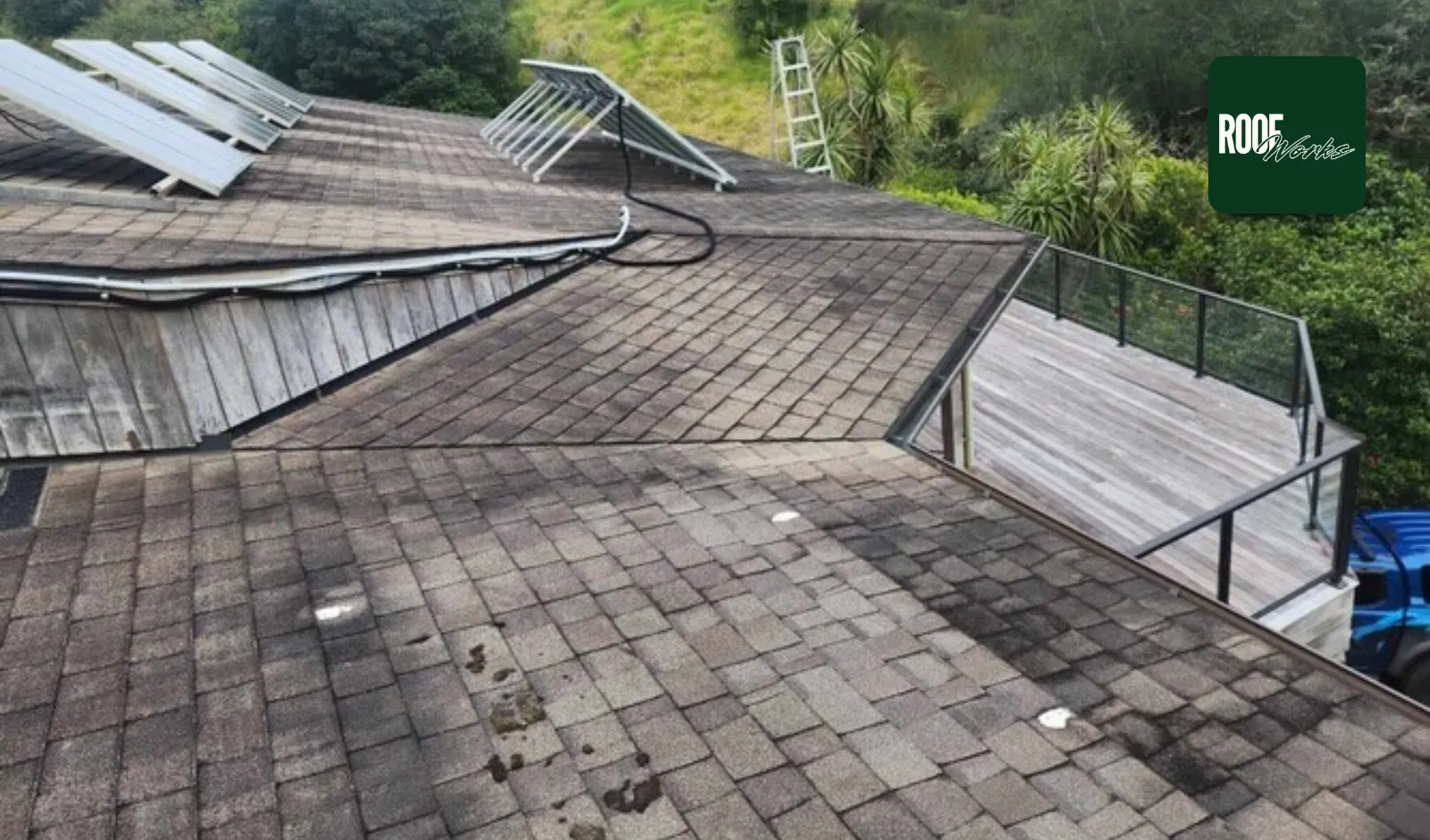
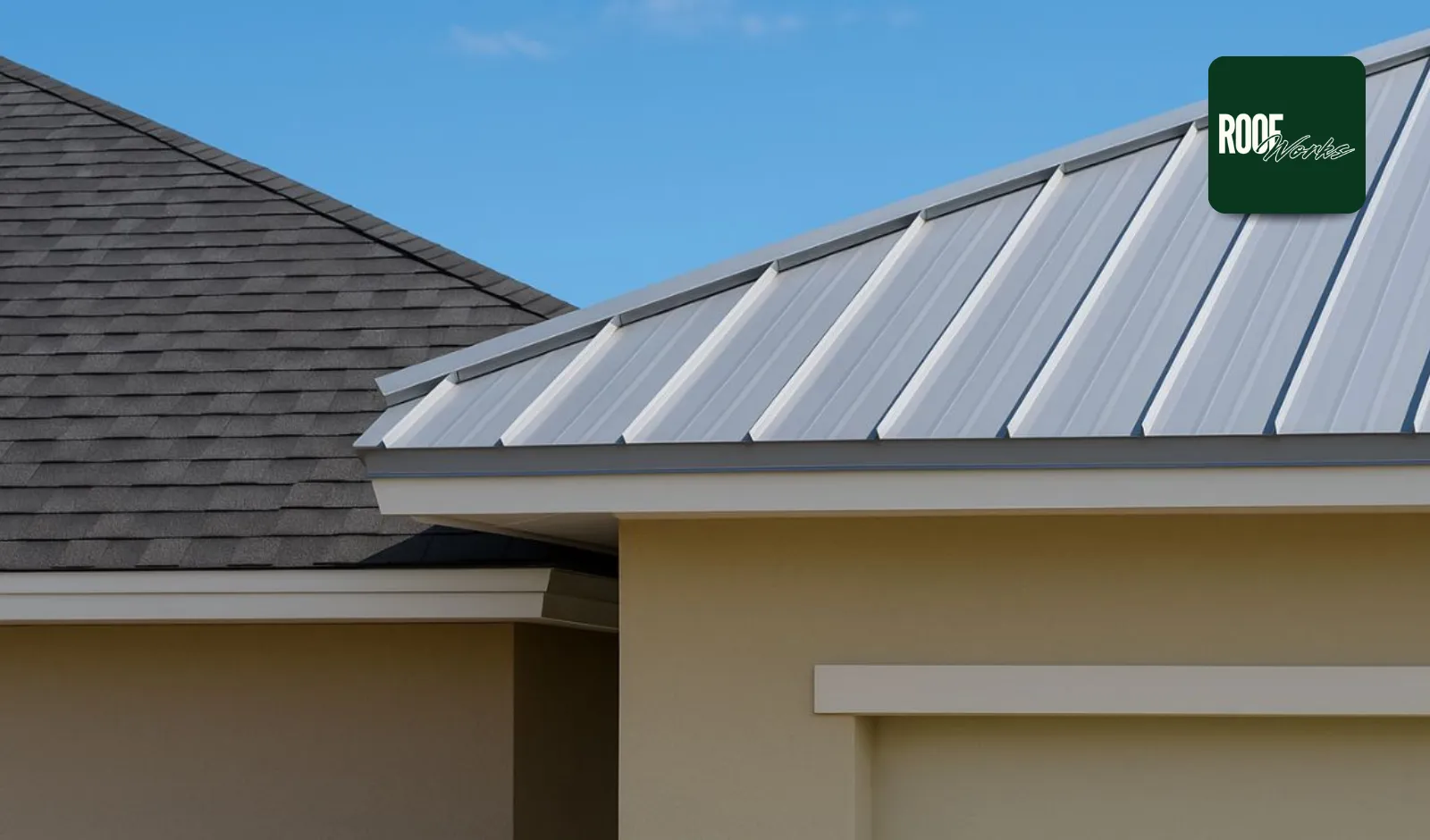
Different roofing materials age in different ways. Asphalt shingles may show signs of failure sooner, while a metal roof often offers stronger performance over time. However, no roofing material lasts forever.
Environmental exposure, installation quality, and maintenance all affect how long a roof performs well.
When Roof Replacement Makes More Sense
There comes a point when roof replacements offer better value than ongoing repairs. While replacement costs may seem higher upfront, a new roof can save money in the long run by reducing maintenance, improving insulation, and preventing damage to other parts of the home.
A replacement also improves long-term safety and helps protect your home against future weather exposure.
The Role of Roof Inspections
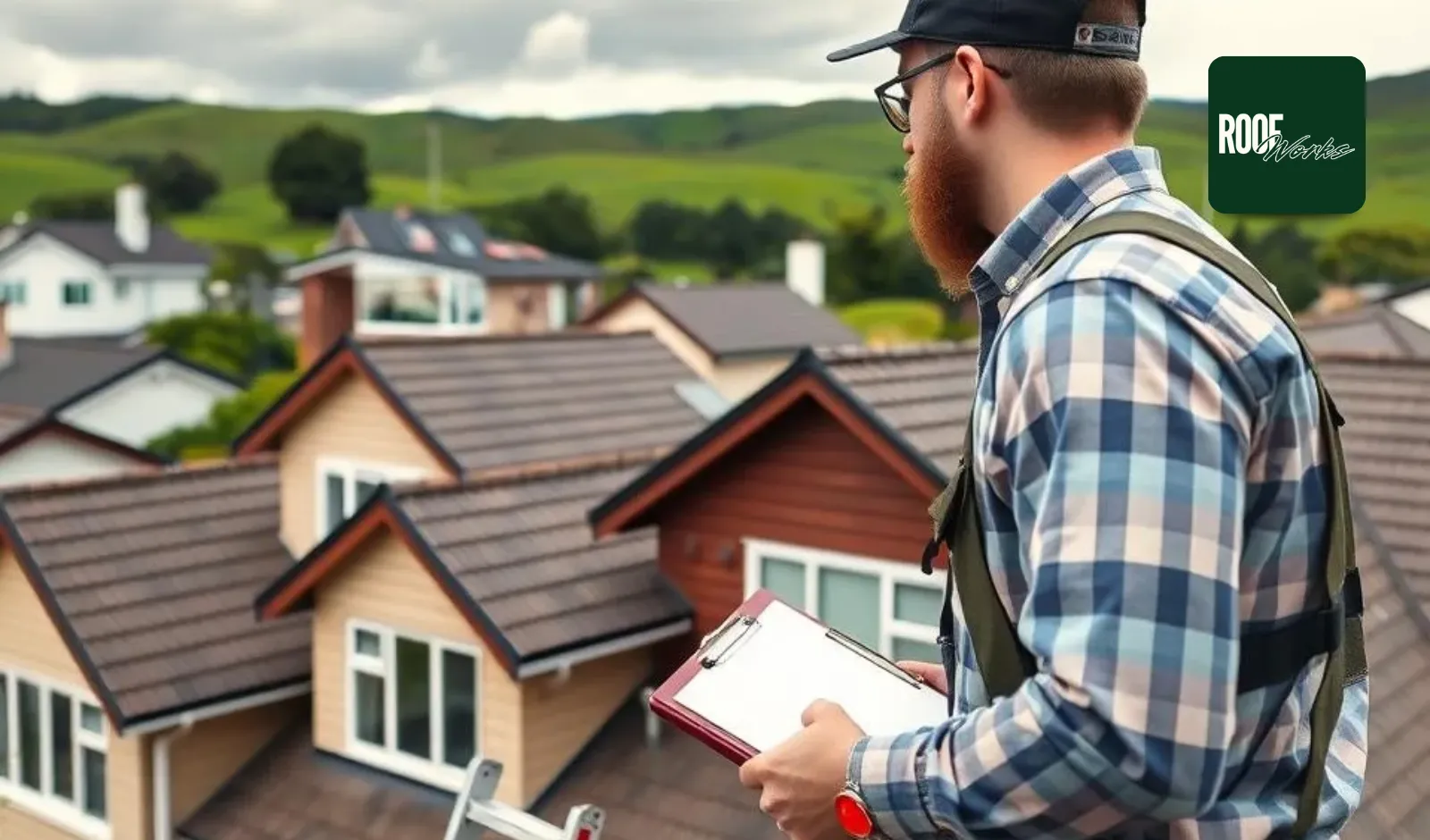
A professional roof inspection helps determine whether repairs are still suitable or if replacement is the better option. Inspections identify hidden damage, moisture issues, and weaknesses that may not be visible from the ground.
In urgent cases where leaks suddenly worsen, emergency roof leak repair may be required to stop immediate damage while a longer-term solution is planned.
Local Conditions and Ongoing Maintenance
Homes exposed to strong winds, heavy rain, or coastal conditions often see faster roof deterioration. Homeowners dealing with repeated issues sometimes look into roof repairs in Auckland to assess whether repairs or replacement offer the best outcome.
Local knowledge and proper assessment help ensure decisions are based on long-term performance rather than short-term fixes.
Making the Right Decision for Your Home
If you are unsure whether your roof needs replacing, ask yourself:
- Are repairs becoming more frequent?
- Is damage spreading or returning?
- Is the roof showing multiple warning signs at once?
When several issues appear together, replacement is often the safest and most practical choice.
Final Thoughts
Knowing the warning signs that you need a new roof makes it easier to act before problems escalate. While not every issue means immediate replacement, ongoing damage, leaks, and structural concerns should never be ignored.
If you are asking yourself if I need a new roof, professional advice can help you make a confident and informed decision based on the condition of your home and your long-term goals.
Take the Next Step to Protect Your Home
If you are noticing roof leaks, visible damage, or signs of ageing, getting professional advice early can help prevent further damage and unnecessary costs. At Roof Works, a proper assessment will identify whether repairs are still suitable or if replacement is the better option.
Call 03 667 3174 today or book online to save $15 and get expert guidance before small issues turn into bigger problems.


Got a question?
Contact us for a FREE installation quote or book your job online today.

Same Day Service Guarantee - Terms & Conditions

The "Same Day Service Guarantee or it's Free" applies to:
a. Residential work and Commercial only.
b. Jobs specified as needing same day service when booking a job by phone or online.
c. Residential and Commercial work booked with Grammar Electrical:
i) Before 11:00AM
ii) For calls or online bookings received after 11:00AM, the customer will be offered a job. Booking for the next business day and normal callout fees ($170+ GST) will apply.
iii) Any other jobs booked outside business hours (9:00AM - 5:00PM Monday- Friday) will incur after hours charges.
iv) This offer is excluded for jobs booked on New Zealand public holidays.
d. If Grammar Electrical are unable to attend on the same day (within 24 hours) for a job booked by the customer, the standard callout fee of $170 + GST will be waived and is free, but all other normal charges, fees and expenses will apply to perform the Electrical Services and to provide any products/materials concerning those services.
e. The Standard Callout Fee will be deducted from your bill as long as you pay within your invoice's due date. The callout charge is applicable if your invoice is overdue.
f. If Grammar Electrical are willing and able to perform the Service or provide the Goods on the same day the job is booked, however the Customer for whatever reason does not give access to their property on the day, Grammar Electrical will be deemed to have complied with it's "Same Day or it's Free" guarantee and shall be entitled to charge the customer the standard call-out fee.
g. This offer is not a guarantee of work being completed. The completion of the job will depend on stock availability and also the amount of work required.