

.webp)







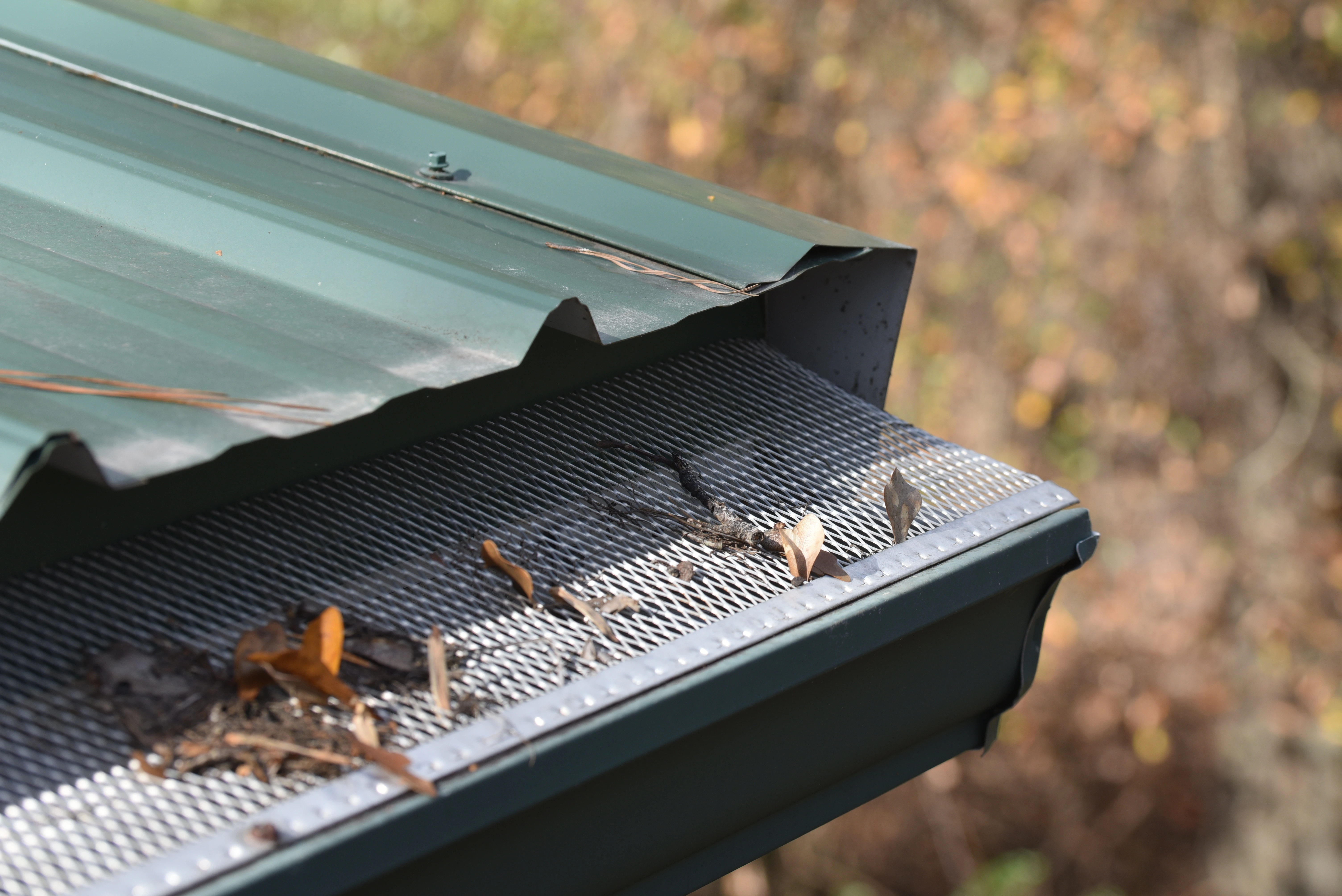
The ridge is the highest and most exposed point of a metal roof. It sits where two roof panels meet, and it takes the full force of wind, rain, and sun. Without a properly installed ridge cap, this area can allow moisture to enter and weaken the roofing system over time.
A ridge cap does more than finish the look of a roof. It seals the peak, strengthens the structure, and helps prevent leaks. Understanding its purpose makes it clear why correct installation is so important for long-term roof performance.
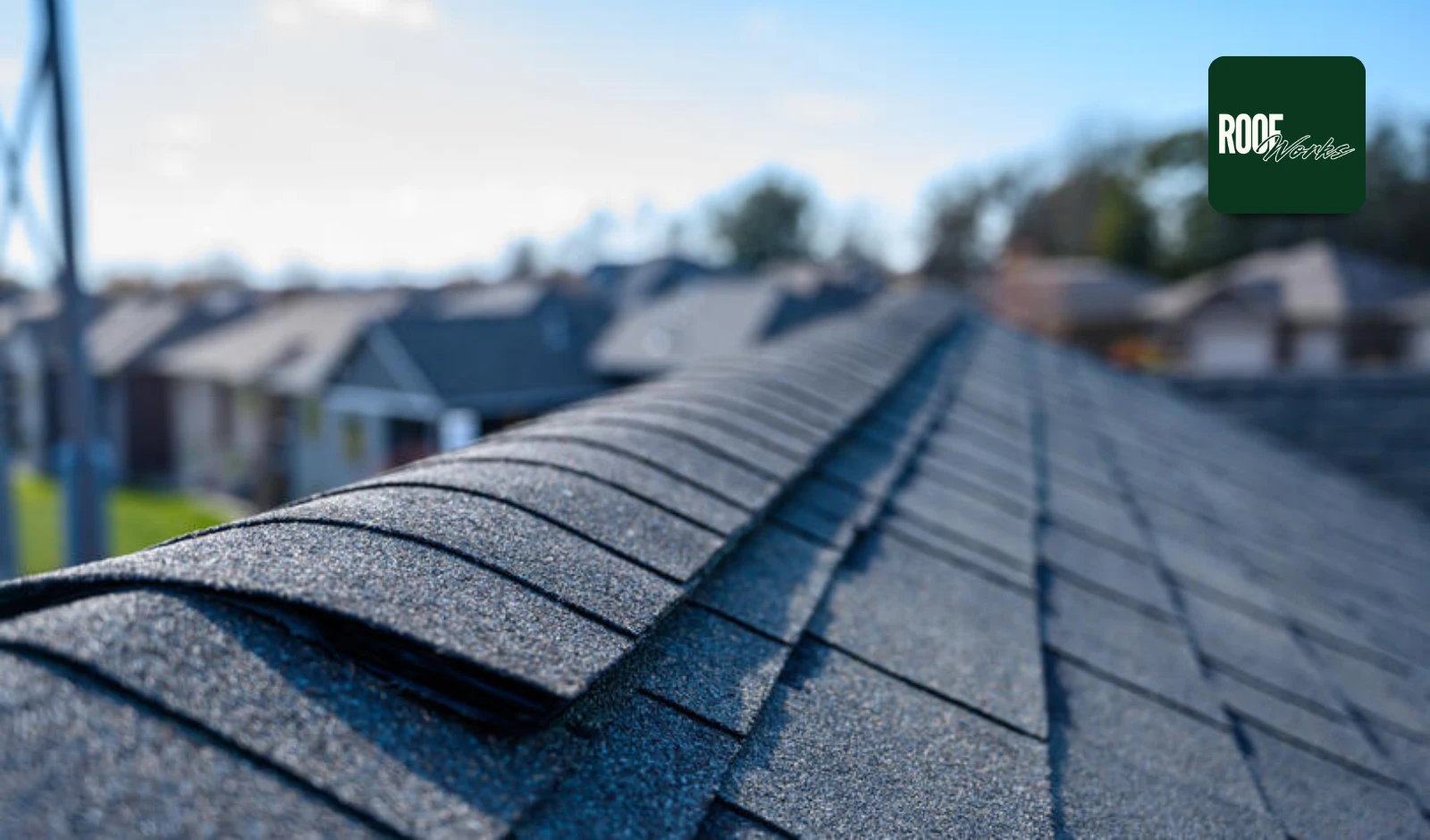
What Is a Ridge Cap and Why Does It Matter
A ridge cap is the metal piece that covers the peak of a metal roof. It connects the two roof slopes and seals the opening at the top. Without it, water, debris, and even pests could enter the roofing system.
On a metal roof, the ridge cap also helps:
- Direct water away from the seam
- Prevent wind from lifting panels
- Improve overall roof durability
- Support ventilation if designed with ridge vents
Even small gaps at the ridge can lead to leaks over time.
Understanding How to Put a Ridge Cap on a Metal Roof
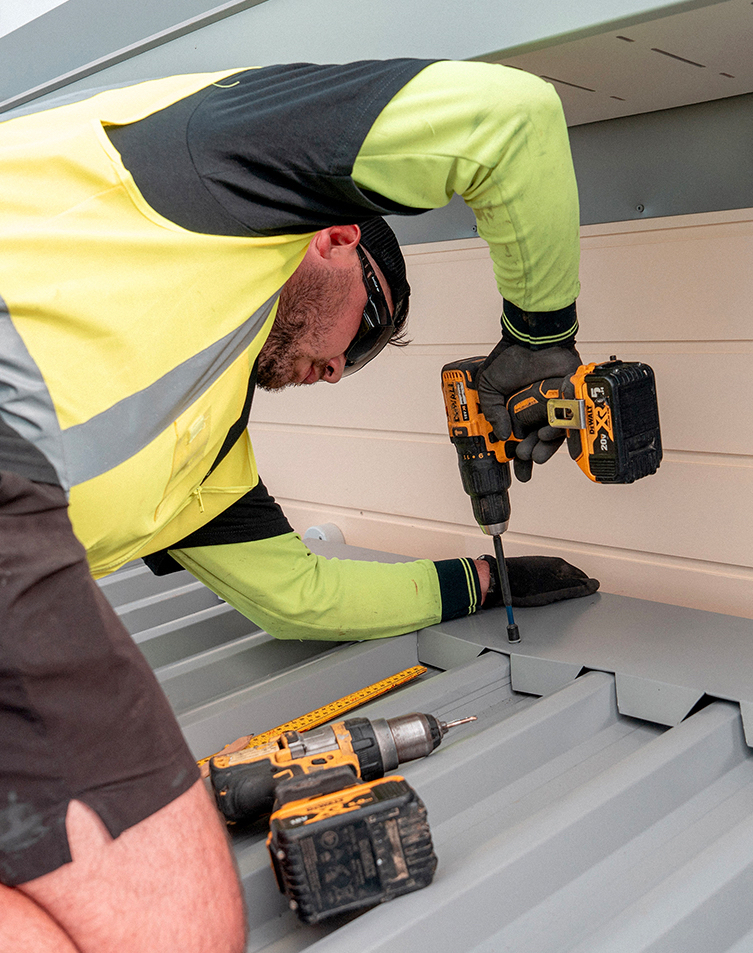
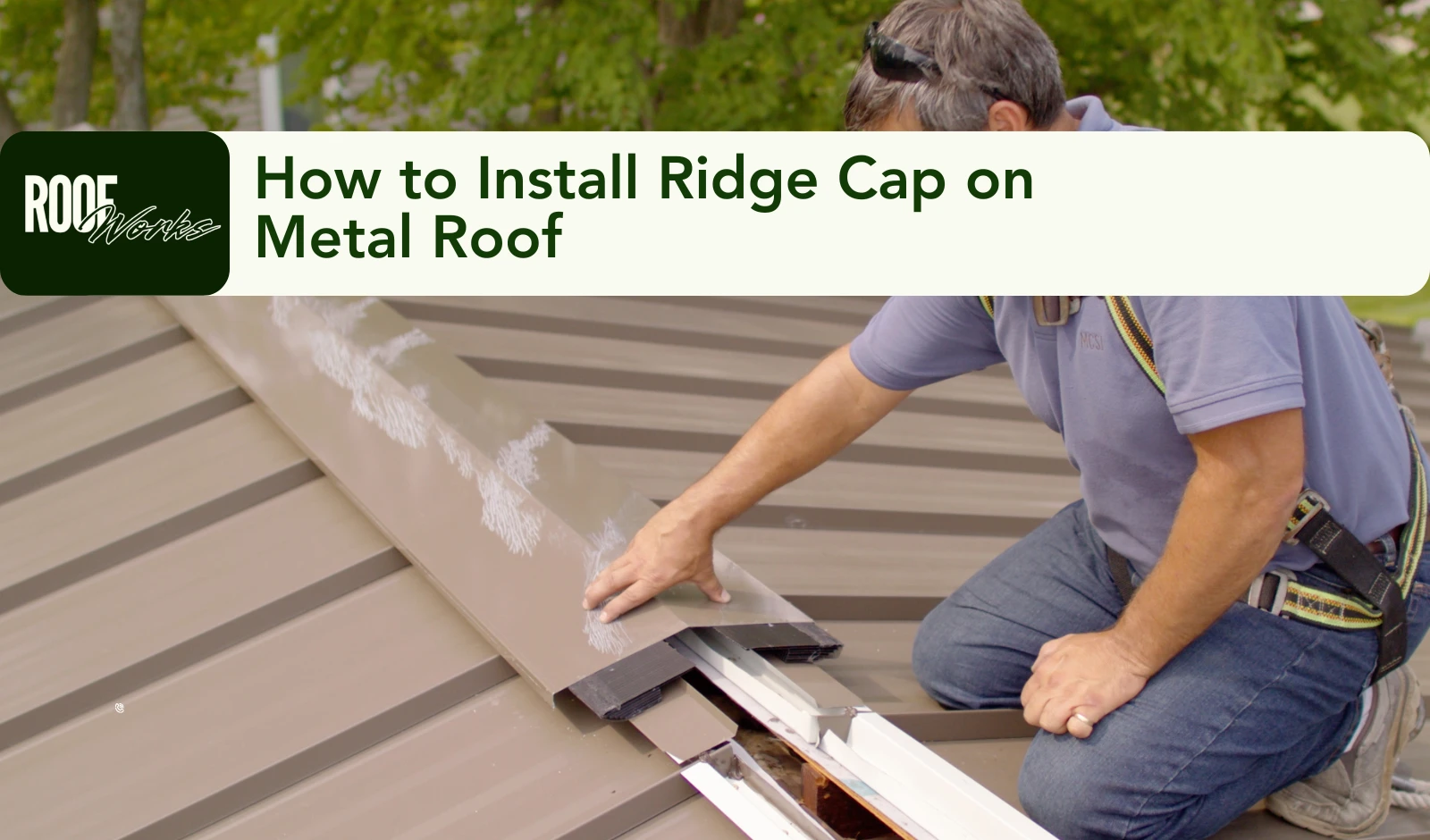
When people search for how to put a ridge cap on metal roof designs, they usually want to know if it is manageable as a DIY task. In simple terms, the process involves positioning the cap evenly along the ridge, overlapping sections properly, and fastening it securely to the roof panels.
However, correct placement requires attention to detail. The cap must align evenly along the peak. Fasteners must secure it without over-tightening. Sealing components must prevent water from entering under the metal sheets.
Mistakes at this stage can compromise the entire roofing system.
Preparation Before Installation
Before placing a ridge cap, the roof panels must be fully secured. The roof peak should be straight and properly aligned. Any uneven surfaces can create gaps beneath the cap.
Ventilation considerations also matter. Some metal roof systems include ridge vents that allow airflow through the attic space. If a vented system is used, the ridge cap must work together with vent materials to maintain airflow while preventing water intrusion.
Skipping preparation can lead to alignment problems later.
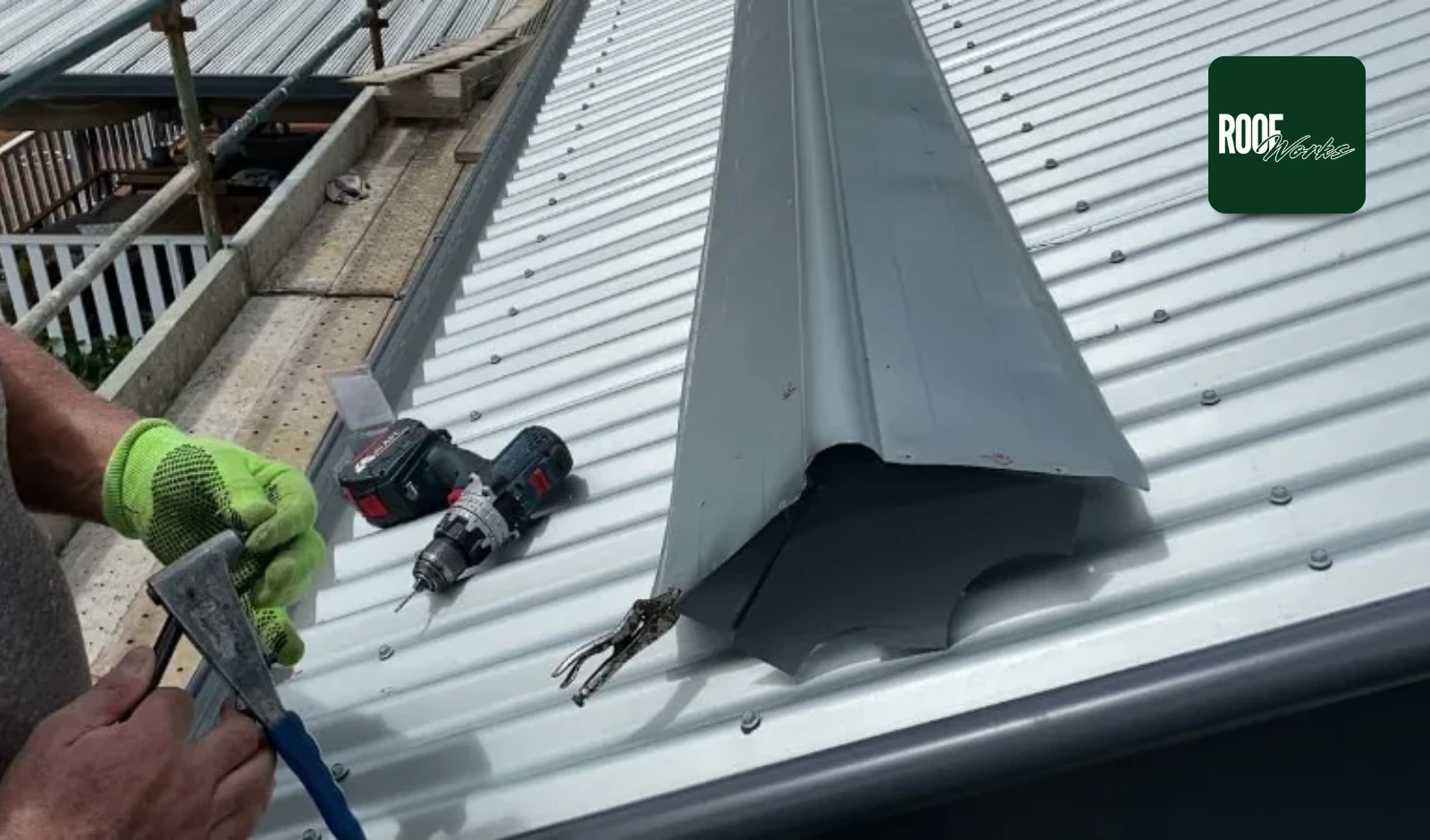
Common Installation Challenges
Installing a ridge cap on a metal roof presents a few common challenges.
- One issue is uneven panel alignment. If the roof panels do not meet evenly at the ridge, the cap may not sit flush. This increases the risk of water penetration.
- Another concern is wind exposure. In high wind areas, poorly secured ridge caps can loosen over time. Proper fastening ensures long-term performance.
- Incorrect sealing also causes problems. Without adequate sealing materials, wind-driven rain can enter under the cap and cause hidden moisture damage.
These risks explain why some homeowners choose to consult roof repair specialists when handling ridge work.
Why Proper Sealing Is Critical
The ridge is the most exposed part of the roof. Rain, wind, and direct sunlight all hit this area first. Because it sits at the highest point, it also faces constant pressure from wind-driven rain. Without proper sealing, water can slip beneath the ridge cap and enter the roof cavity.
When moisture gets inside, it does not always show immediately. It can slowly affect insulation, timber framing, and ceiling materials. Over time, this hidden damage can weaken the entire roofing system.
High-quality sealing components help prevent:
- Water infiltration
- Rust formation on metal panels and fasteners
- Mould growth in the roof space
- Interior ceiling damage and staining
- Structural weakening caused by long-term moisture
Even minor gaps or poorly applied sealant can create entry points for water. Small leaks at the ridge often spread before they become visible inside the home. That is why careful sealing is not just a finishing step. That is one of the most important parts of ridge cap installation.
Strong sealing protects both the ridge cap and the metal roof beneath it, helping the entire roofing system perform reliably for years.
Ventilation and Ridge Caps
Some ridge caps are designed to support ventilation. In these systems, airflow passes beneath the cap through vent materials while still blocking rain and debris.
Good ventilation:
- Reduces moisture buildup
- Protects insulation
- Extends roof lifespan
When ventilation is part of the design, proper installation becomes even more important. Blocking airflow can reduce roof performance and cause condensation issues.
Signs of Ridge Cap Problems
Homeowners should watch for warning signs such as:
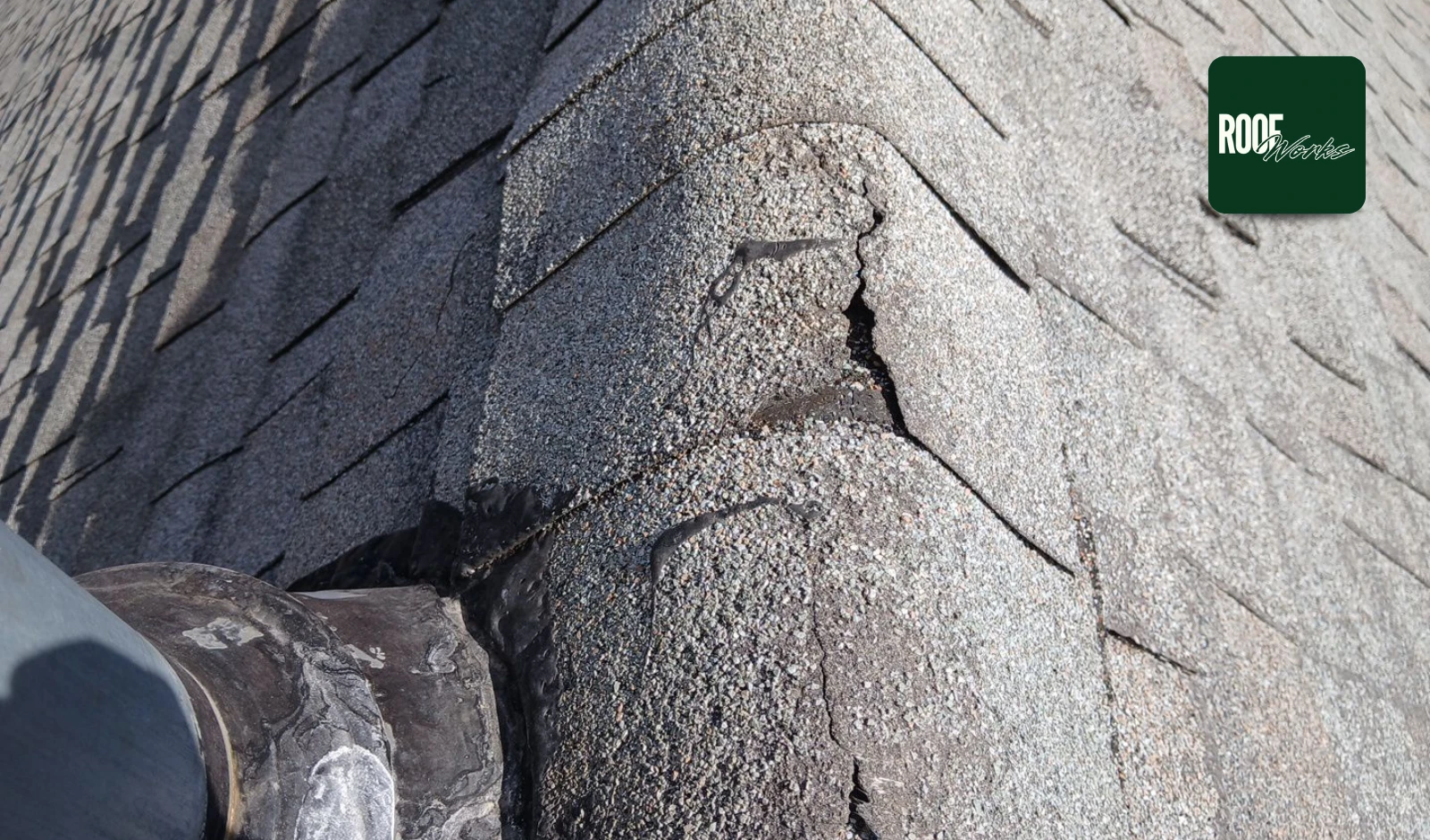
- Visible gaps at the ridge
- Loose or missing fasteners
- Rust near the roof peak
- Water stains on ceilings
- Noise during strong winds
If you notice any of these issues, timely action helps prevent larger damage. Many homeowners search for reliable roof repair services near me when ridge caps show signs of wear.
DIY vs Professional Installation
Some experienced homeowners attempt ridge cap installation themselves. While the steps may seem straightforward, working at roof height carries risk. Proper alignment and sealing require care and precision.
Incorrect installation can lead to:
- Leaks along the ridge
- Reduced wind resistance
- Water damage inside the home
- Costly follow-up repairs
In severe cases, improper ridge work can result in emergency roof leak repair during heavy rain.
Roof repair specialists understand how ridge components integrate with the rest of the metal roofing system. They can ensure proper fastening, alignment, and sealing.
Long Term Maintenance
Even correctly installed ridge caps need occasional inspection. Over time, fasteners may loosen, sealants may dry out, and exposure to sun and weather can slowly affect materials.
Regular checks help:
- Maintain overall roof performance
- Catch minor issues early before they spread
- Prevent expensive structural damage
- Extend the lifespan of the ridge cap and surrounding panels
It is also important to inspect the ridge after strong winds or heavy rain, as these conditions place extra stress on the highest point of the roof. Addressing small concerns early reduces the risk of leaks and unexpected repairs.
Proactive maintenance keeps your metal roof performing as intended for many years and helps protect the entire roofing system from avoidable damage.
Final Thoughts
Understanding how to install a ridge cap on metal roof systems helps homeowners appreciate the importance of proper placement and sealing. The ridge cap protects one of the most exposed parts of the roof and plays a major role in preventing leaks.
While some may consider handling the task themselves, small mistakes at the ridge can lead to bigger issues later. Professional installation ensures the ridge cap performs correctly and protects the roofing system long term.
Get Expert Help With Ridge Cap Installation
Ridge cap installation requires precision and proper sealing to protect your roof from leaks and wind damage. Professional support ensures your metal roof stays secure and performs as intended.
Call Roof Works today on 03 667 3174 or book online to save $15 and get expert help protecting your roof.


Got a question?
Contact us for a FREE installation quote or book your job online today.

Same Day Service Guarantee - Terms & Conditions

The "Same Day Service Guarantee or it's Free" applies to:
a. Residential work and Commercial only.
b. Jobs specified as needing same day service when booking a job by phone or online.
c. Residential and Commercial work booked with Grammar Electrical:
i) Before 11:00AM
ii) For calls or online bookings received after 11:00AM, the customer will be offered a job. Booking for the next business day and normal callout fees ($170+ GST) will apply.
iii) Any other jobs booked outside business hours (9:00AM - 5:00PM Monday- Friday) will incur after hours charges.
iv) This offer is excluded for jobs booked on New Zealand public holidays.
d. If Grammar Electrical are unable to attend on the same day (within 24 hours) for a job booked by the customer, the standard callout fee of $170 + GST will be waived and is free, but all other normal charges, fees and expenses will apply to perform the Electrical Services and to provide any products/materials concerning those services.
e. The Standard Callout Fee will be deducted from your bill as long as you pay within your invoice's due date. The callout charge is applicable if your invoice is overdue.
f. If Grammar Electrical are willing and able to perform the Service or provide the Goods on the same day the job is booked, however the Customer for whatever reason does not give access to their property on the day, Grammar Electrical will be deemed to have complied with it's "Same Day or it's Free" guarantee and shall be entitled to charge the customer the standard call-out fee.
g. This offer is not a guarantee of work being completed. The completion of the job will depend on stock availability and also the amount of work required.