

.webp)







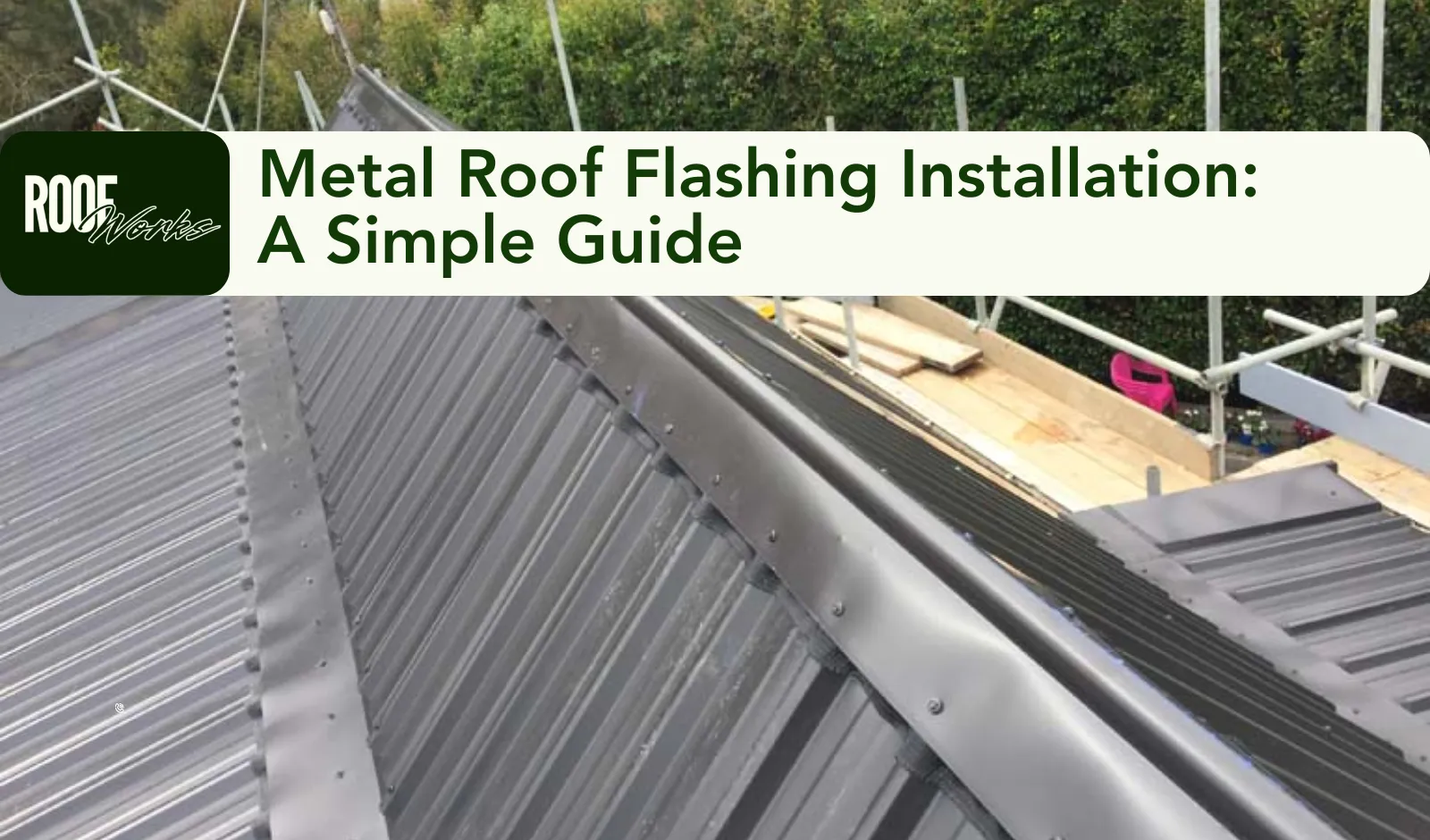
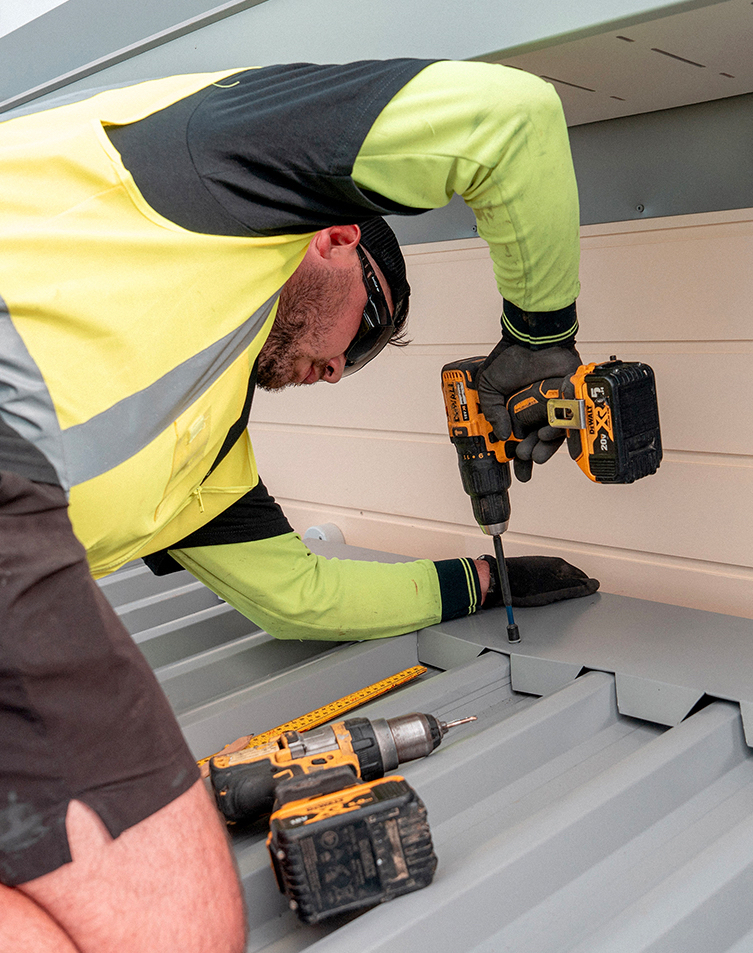
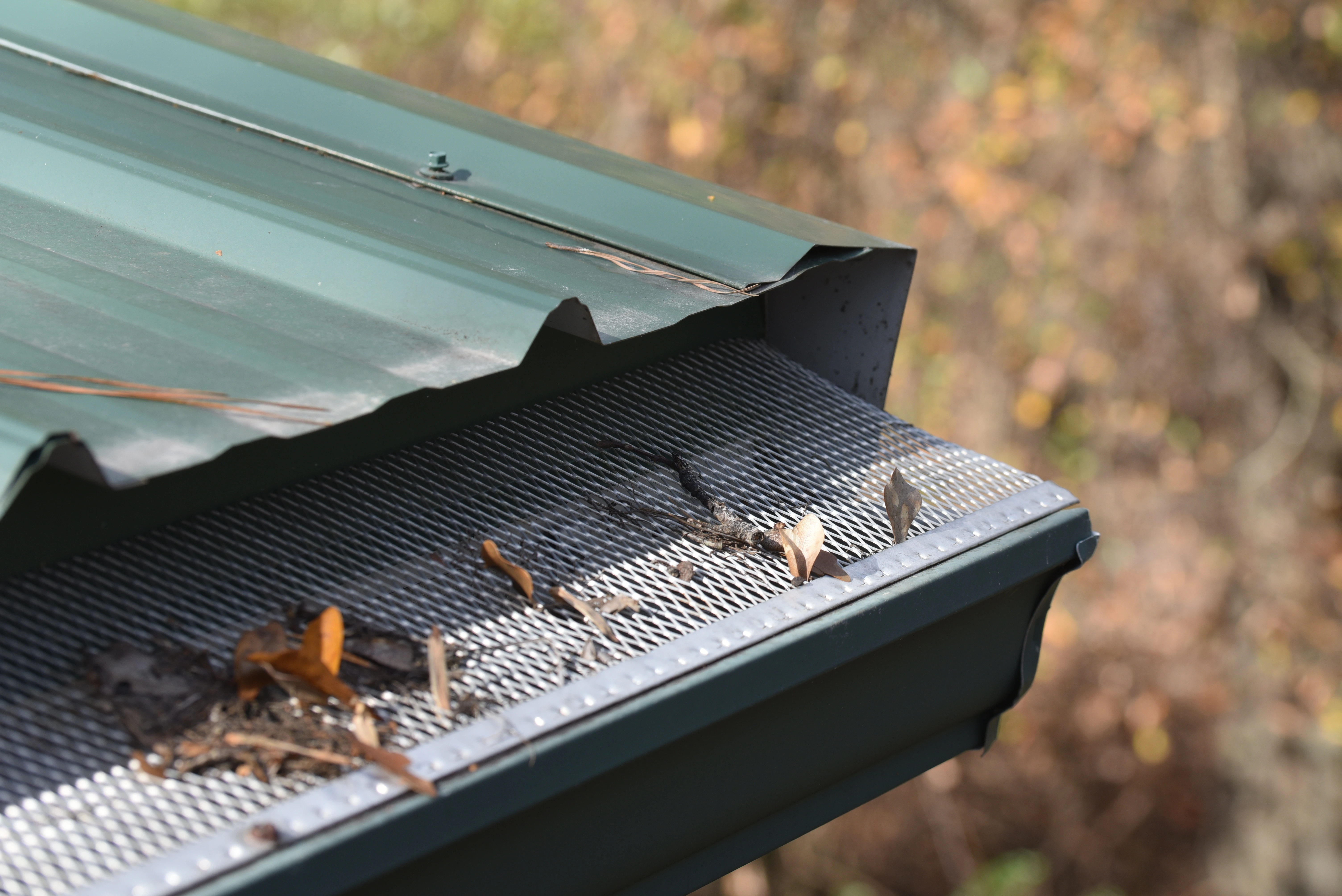
Flashing plays a critical role in protecting your home from leaks and water damage in roof areas. On a metal roof, flashing helps seal joints, edges, and roof penetrations where water is most likely to enter. While many homeowners search for how to install flashing on metal roof systems, it is important to understand what flashing does and why correct installation makes such a big difference to long-term roof performance.
This guide explains the basics of metal roof flashing installation, common problem areas, and why professional workmanship is essential for protecting your home.
What Is Roof Flashing and Why Is It Important
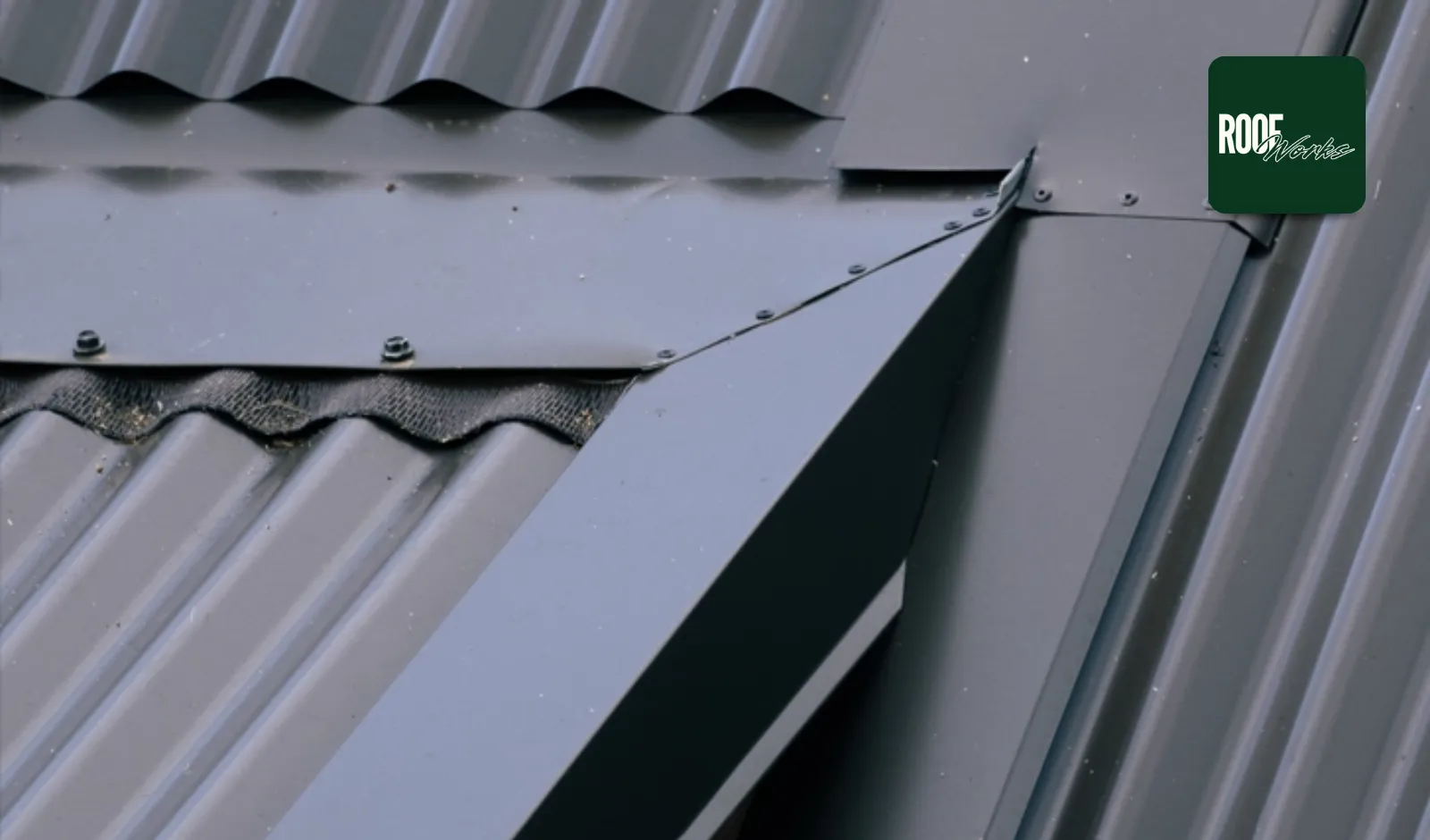
Roof flashing is typically made from metal and is installed at points where the roof meets other surfaces. These areas include chimneys, skylights, roof valleys, walls, and edges. Flashing directs water away from vulnerable joints and safely toward gutters and drainage points.
Without properly installed flashing, even a high-quality metal roof can develop leaks. Over time, small gaps can allow moisture to enter the roof structure, leading to rot, mould, and interior damage.
Where Flashing Is Installed on a Metal Roof
Flashing is used in several key areas of a metal roof to maintain a watertight seal. These include:
- Roof edges and eaves
- Valleys where two roof slopes meet
- Around chimneys, vents, and skylights
- Where the roof meets vertical walls
- Ridge caps and transitions
Each location requires a specific flashing design to suit water flow and roof movement. Flashing must also allow the metal roof to expand and contract with temperature changes.
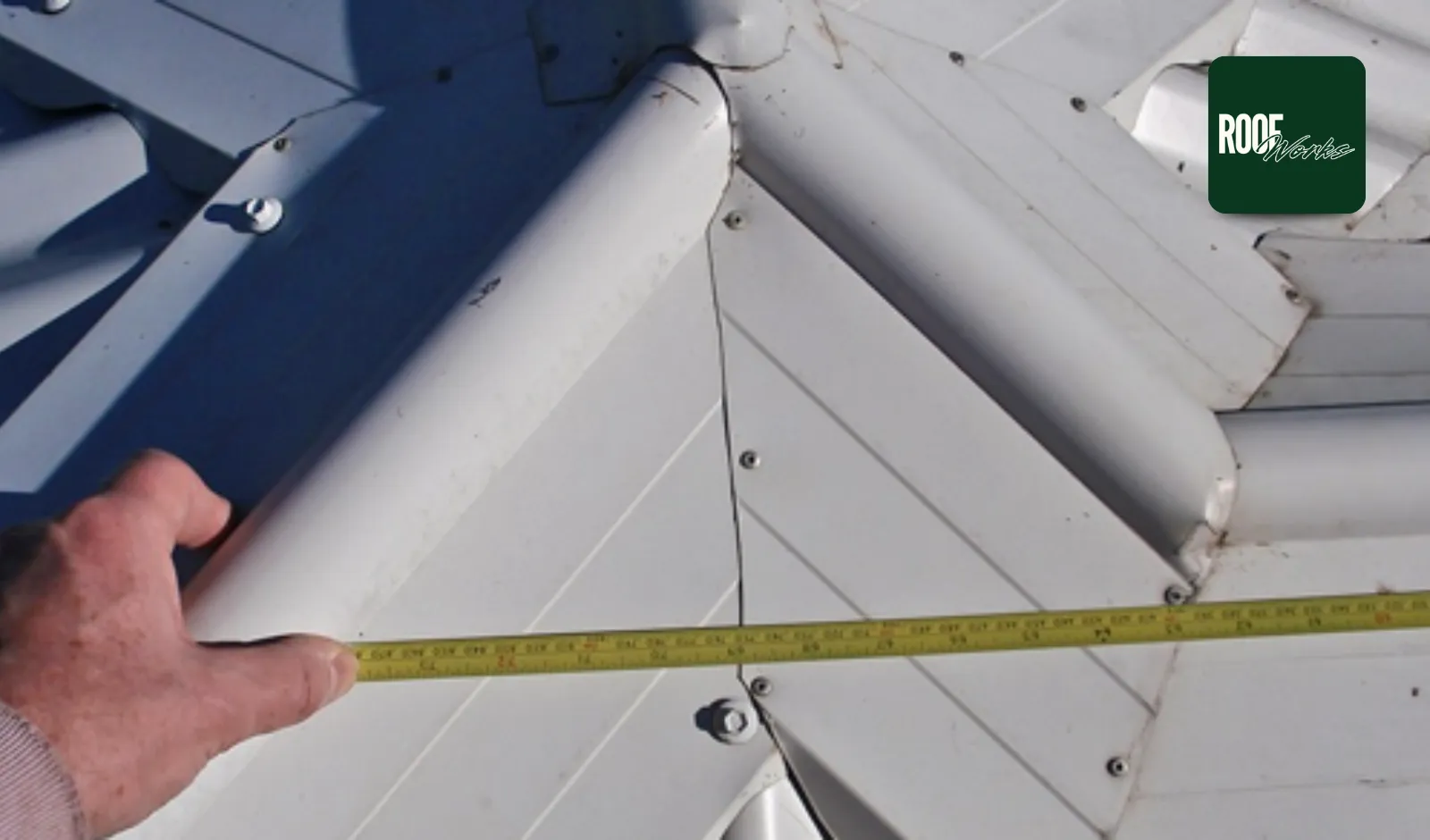
How Flashing Is Installed on a Metal Roof
When people search for how to install flashing on metal roof systems, they often underestimate how technical the process can be. Flashing installation involves careful planning, accurate measurements, and proper fastening techniques.
The process generally includes shaping the flashing to fit the roof profile, positioning it to direct water correctly, and sealing it without restricting roof movement. Incorrect placement or sealing can cause water to pool or be forced under the roofing panels.
Because every metal roof design is different, flashing must be tailored to suit the roof layout, pitch, and surrounding structures. This is why flashing installation should be handled by trained professionals rather than attempted as a DIY project.
Why Professional Installation Matters
Metal roof flashing installation must be completed correctly to comply with building standards and manufacturer requirements. Poor installation can void warranties and lead to costly repairs later on.
Professional roofers understand how water behaves on a metal roof and know how to install flashing that works with the roof system rather than against it. They also use the correct materials and fixings to ensure long-term durability. When leaks appear unexpectedly, proper flashing work can reduce the need for emergency roof leak repair and prevent further damage to the roof structure.
Attempting flashing installation without experience can result in gaps, over-tightened fasteners, or restricted roof movement, all of which increase the risk of leaks.
Common Problems Caused by Poor Flashing Installation
Incorrect flashing installation is one of the most common causes of roof leaks. Some frequent issues include:
- Flashing is not sealed correctly
- Incorrect overlap between flashing and roofing panels
- Flashing that is too rigid and cracks over time
- Gaps are forming due to roof movement
- Water pooling around penetrations
These problems may not appear immediately, but often worsen during heavy rain or strong winds.
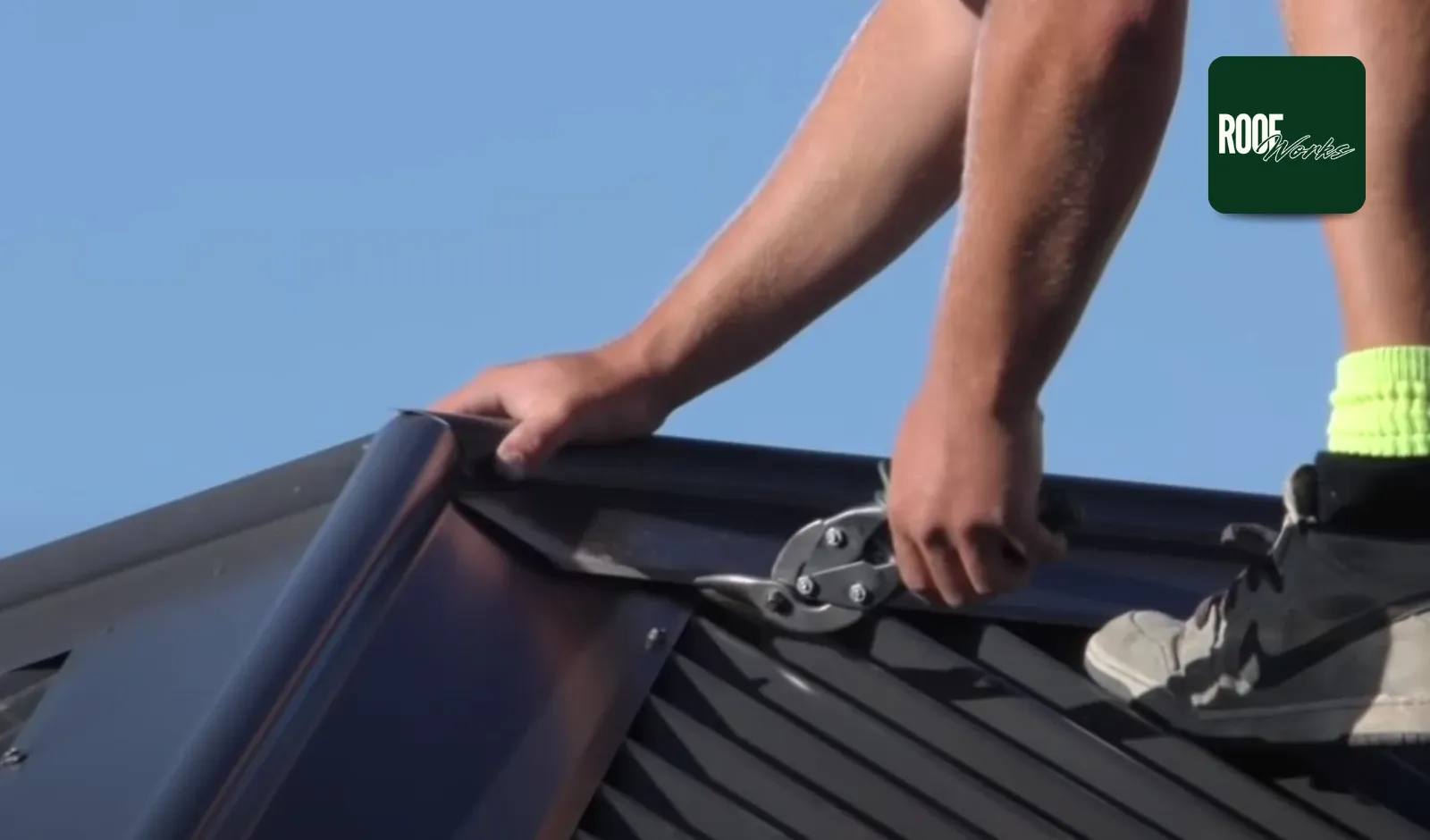
When Flashing Needs Repair or Replacement
Flashing does not last forever. Over time, exposure to weather can cause it to loosen, corrode, or fail. Signs that flashing may need attention include visible rust, lifted edges, recurring leaks, or water staining inside the home.
When these issues appear, it is often best to get professional help early. Many homeowners turn to roof repair Auckland specialists to fix flashing problems before they lead to larger roof damage.
Final Thoughts
Flashing is a small component with a big job. Understanding how flashing works helps homeowners recognise why professional installation is so important. A well-installed flashing system protects your metal roof, prevents leaks, and extends the life of your entire roof structure.
For reliable advice, proper installation, and long-term protection, speak with experienced roofing professionals who understand metal roofing systems.
Take the Next Step to Protect Your Roof
At Roof Works, we understand that even minor flashing issues can lead to leaks and costly damage if left unaddressed. Getting professional advice early helps ensure your metal roof stays watertight, secure, and built to last.
Call us today 03 667 3174 or book online to save $15.


Got a question?
Contact us for a FREE installation quote or book your job online today.

Same Day Service Guarantee - Terms & Conditions

The "Same Day Service Guarantee or it's Free" applies to:
a. Residential work and Commercial only.
b. Jobs specified as needing same day service when booking a job by phone or online.
c. Residential and Commercial work booked with Grammar Electrical:
i) Before 11:00AM
ii) For calls or online bookings received after 11:00AM, the customer will be offered a job. Booking for the next business day and normal callout fees ($170+ GST) will apply.
iii) Any other jobs booked outside business hours (9:00AM - 5:00PM Monday- Friday) will incur after hours charges.
iv) This offer is excluded for jobs booked on New Zealand public holidays.
d. If Grammar Electrical are unable to attend on the same day (within 24 hours) for a job booked by the customer, the standard callout fee of $170 + GST will be waived and is free, but all other normal charges, fees and expenses will apply to perform the Electrical Services and to provide any products/materials concerning those services.
e. The Standard Callout Fee will be deducted from your bill as long as you pay within your invoice's due date. The callout charge is applicable if your invoice is overdue.
f. If Grammar Electrical are willing and able to perform the Service or provide the Goods on the same day the job is booked, however the Customer for whatever reason does not give access to their property on the day, Grammar Electrical will be deemed to have complied with it's "Same Day or it's Free" guarantee and shall be entitled to charge the customer the standard call-out fee.
g. This offer is not a guarantee of work being completed. The completion of the job will depend on stock availability and also the amount of work required.