

.webp)







Metal roof popping noise is a common concern for homeowners. These sounds are often more noticeable at night or during sudden weather changes. You may hear clicking, creaking, or occasional popping as the roof adjusts to temperature shifts.
In most situations, this is part of how metal roofing systems perform. Understanding the cause of the noise can also help homeowners learn how to reduce the noise of metal roof systems more effectively.

Why Metal Roofs Make Popping Sounds
Thermal Expansion and Contraction:
The main cause of roof noise is thermal movement. When temperatures rise, metal panels expand. When temperatures drop, they contract. This constant cycle creates pressure and slight movement, which produces sound.
Rapid Temperature Changes:
Temperature swings can make the noise more noticeable. For example, when the roof cools rapidly in the evening, the panels contract faster, which can lead to sharper popping or creaking sounds.
Panel Movement:
Metal panels are designed to move slightly, but panel flexing can occur when there is limited space for expansion. This flexing may cause snapping or clicking sounds, especially if the panels are under stress.

Other Causes of Roof Noise
Poor Installation:
Incorrect roofing installations can increase noise levels. Panels that are installed too tightly may not have enough room to move, leading to added stress and sound.
Loose Fasteners:
Loose or improperly secured fasteners can allow panels to shift more than intended. This can result in more noticeable or irregular noise.
Roof Structure:
The structure beneath the roof plays a role in sound transmission. A well-built base can reduce vibration, while a weaker structure may amplify it.
When Roof Noise Is Normal
In most cases, metal roof noise is expected and not a cause for concern.
Common sounds include:
- Light clicking during the day
- Soft popping as temperatures drop
- Mild creaking during seasonal changes
These sounds are part of normal roof performance and do not usually indicate damage.
When Noise May Indicate a Problem
Some sounds may suggest an issue that needs attention.
Look out for:
- Sudden or loud popping noises
- Constant or repeating sounds
- Loose or uneven panels
- Noise that becomes more frequent over time
If you notice these signs, it may be best to have your roof inspected.
How to Reduce Metal Roof Noise
If you are wondering how to reduce the noise of metal roof systems, there are several effective approaches to consider:
Improve Insulation:
Insulation helps absorb sound and reduce how much noise that enters your home. It also improves overall comfort and energy efficiency.
Allow for Proper Movement:
Metal panels need enough space to expand and contract. Correct installation ensures they can move without creating excess noise.
Use High-Quality Materials:
Better-quality materials respond more evenly to temperature changes, helping reduce unwanted sounds over time.
Secure Panels Properly:
Panels should be installed with the right balance of security and flexibility. This prevents excessive movement while allowing natural expansion.

The Role of Professional Installation
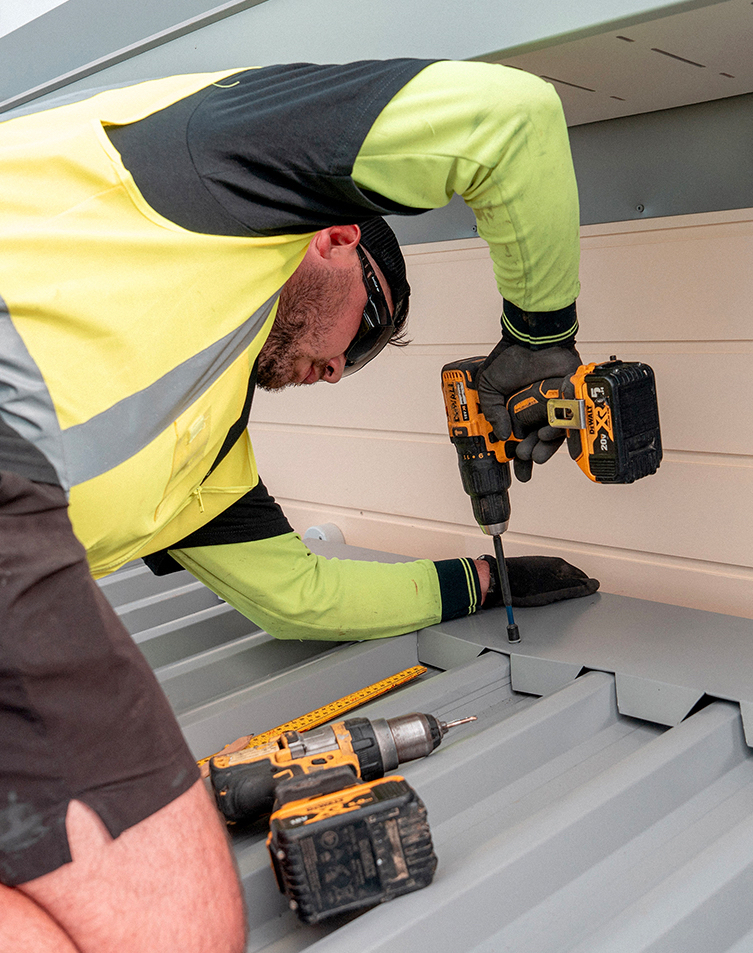
Professional metal roof installation plays a key role in noise control. Experienced roofers understand how to manage panel spacing, fastening, and material placement.
They ensure:
- Proper panel spacing
- Secure yet flexible fastening
- Correct installation methods
This helps reduce noise and improve the long-term performance of the roof.
Why Professional Help Matters
If roof noise becomes louder or unusual, a professional inspection is recommended. Roofing specialists can identify loose panels, installation issues, or structural concerns.
Many homeowners look for roof repair services near them when the noise changes suddenly. Early action can help prevent more serious problems.
Final Thoughts
The popping noise is usually normal and caused by temperature changes. Most of the time, these sounds are harmless and part of the roof’s natural behaviour.
With proper installation, quality materials, and good insulation, noise levels can be reduced. Monitoring any changes in sound can help ensure your roof continues to perform well.
Reduce Roof Noise and Maintain Roof Performance
A noisy roof does not always mean there is a problem, but changes in sound should not be ignored. Early checks can help prevent further issues and keep your roof in good condition.
Call Roof Works today on 03 667 3174 or book online to save $15 and get expert help protecting your roof.


Got a question?
Contact us for a FREE installation quote or book your job online today.

Same Day Service Guarantee - Terms & Conditions

The "Same Day Service Guarantee or it's Free" applies to:
a. Residential work and Commercial only.
b. Jobs specified as needing same day service when booking a job by phone or online.
c. Residential and Commercial work booked with Grammar Electrical:
i) Before 11:00AM
ii) For calls or online bookings received after 11:00AM, the customer will be offered a job. Booking for the next business day and normal callout fees ($170+ GST) will apply.
iii) Any other jobs booked outside business hours (9:00AM - 5:00PM Monday- Friday) will incur after hours charges.
iv) This offer is excluded for jobs booked on New Zealand public holidays.
d. If Grammar Electrical are unable to attend on the same day (within 24 hours) for a job booked by the customer, the standard callout fee of $170 + GST will be waived and is free, but all other normal charges, fees and expenses will apply to perform the Electrical Services and to provide any products/materials concerning those services.
e. The Standard Callout Fee will be deducted from your bill as long as you pay within your invoice's due date. The callout charge is applicable if your invoice is overdue.
f. If Grammar Electrical are willing and able to perform the Service or provide the Goods on the same day the job is booked, however the Customer for whatever reason does not give access to their property on the day, Grammar Electrical will be deemed to have complied with it's "Same Day or it's Free" guarantee and shall be entitled to charge the customer the standard call-out fee.
g. This offer is not a guarantee of work being completed. The completion of the job will depend on stock availability and also the amount of work required.