

.webp)





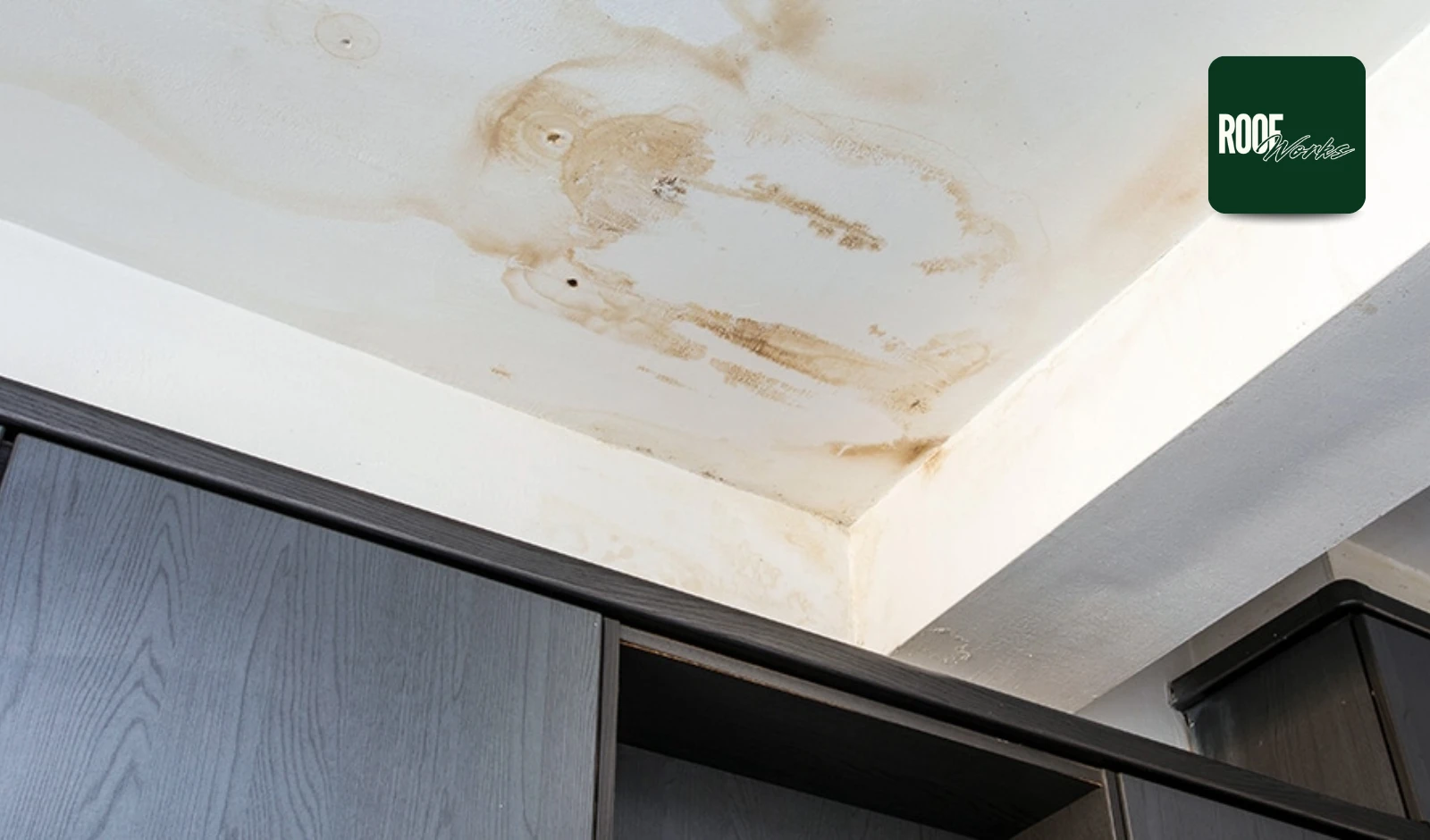

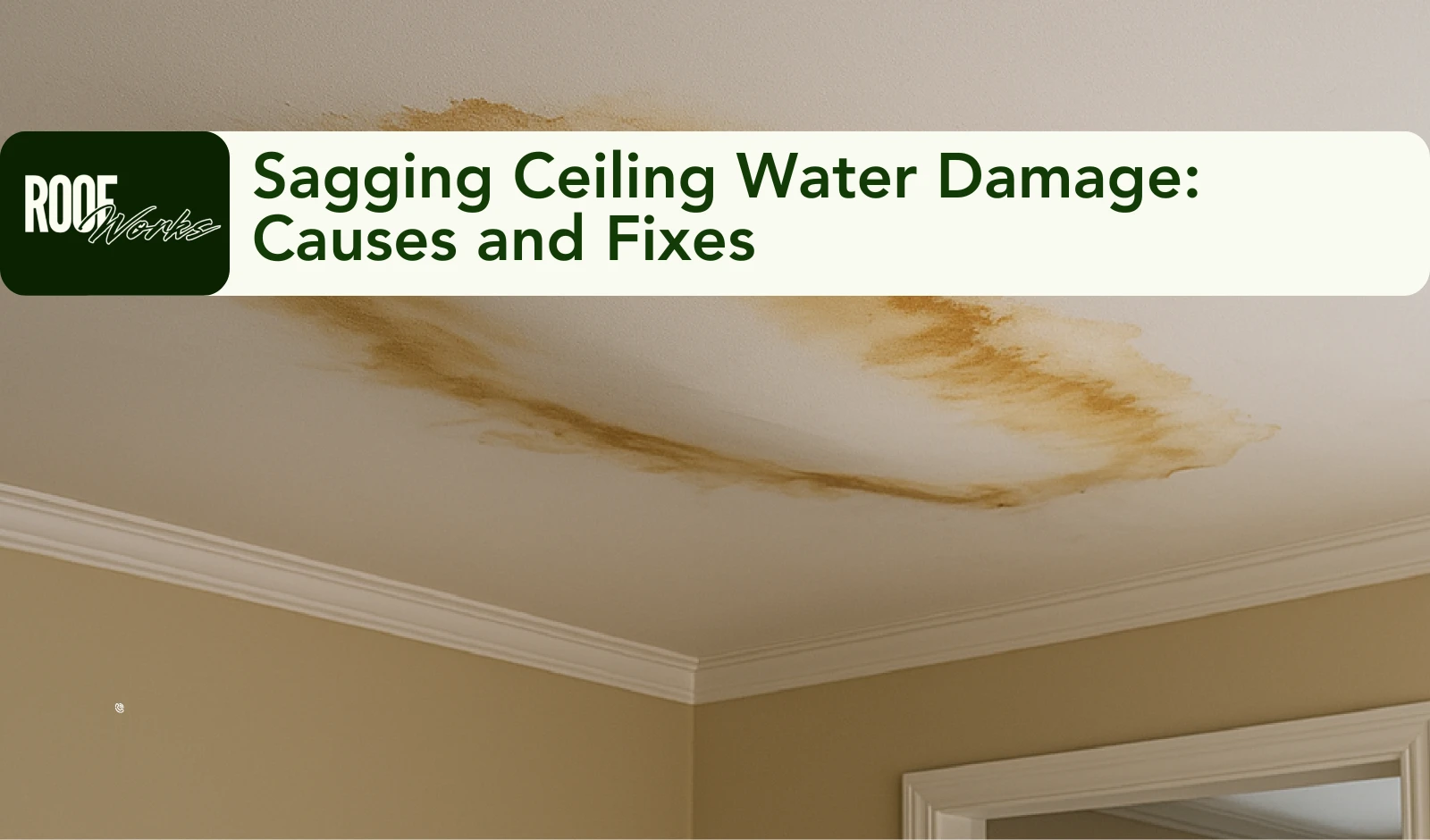
A sagging ceiling is one of the most serious signs of water damage in a home. It may start as a small bulge or a few water stains, but it can quickly turn into a larger problem if left untreated.
When a ceiling is sagging, it means moisture has weakened the structure. This can lead to structural issues, safety risks, and costly repairs. Understanding the cause and knowing how to respond can help protect your home and prevent further damage.
What Causes a Sagging Ceiling?
There are several reasons why a ceiling may begin to sag.
Roof Leaks
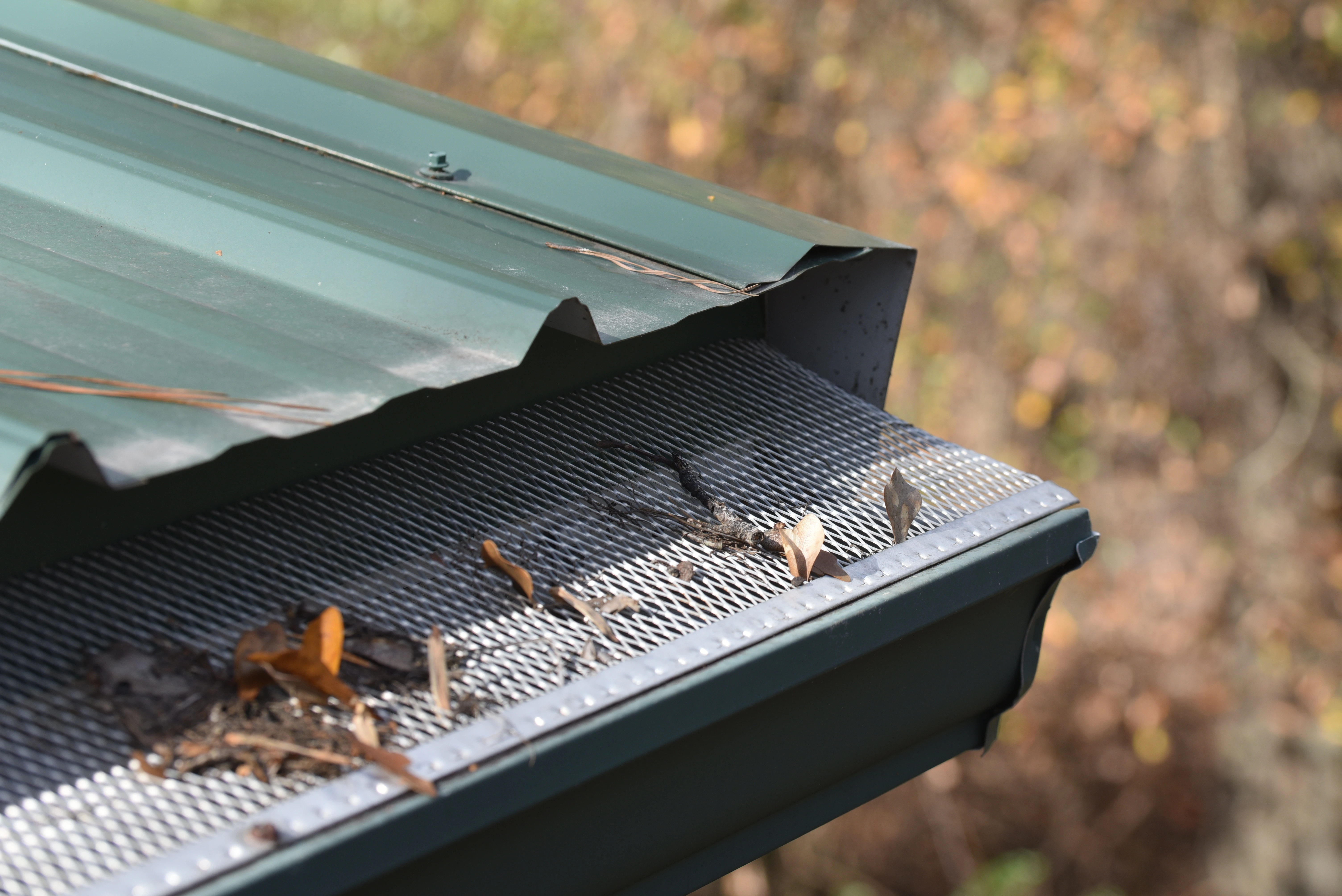
A leaking roof is one of the most common causes. Damaged or aging roofing materials can allow water to enter and collect above the ceiling. Over time, this weakens the ceiling structure and leads to sagging.
Plumbing Issues
Leaks from pipes or fixtures can also cause moisture buildup. This is especially common in bathrooms and kitchens where plumbing runs above the ceiling. Even slow leaks can create damage over time.
Poor Ventilation
High humidity and trapped moisture can weaken ceiling materials. Without proper airflow, moisture stays in the ceiling space and slowly affects its strength and condition.
Heavy Water Buildup
When water collects above the ceiling, it adds weight and pressure. This causes the ceiling to bow or sag. If not addressed, the added weight can lead to serious structural issues or even collapse.
Warning Signs of Ceiling Water Damage
Recognising the early warning signs can help prevent serious damage.
Look for:
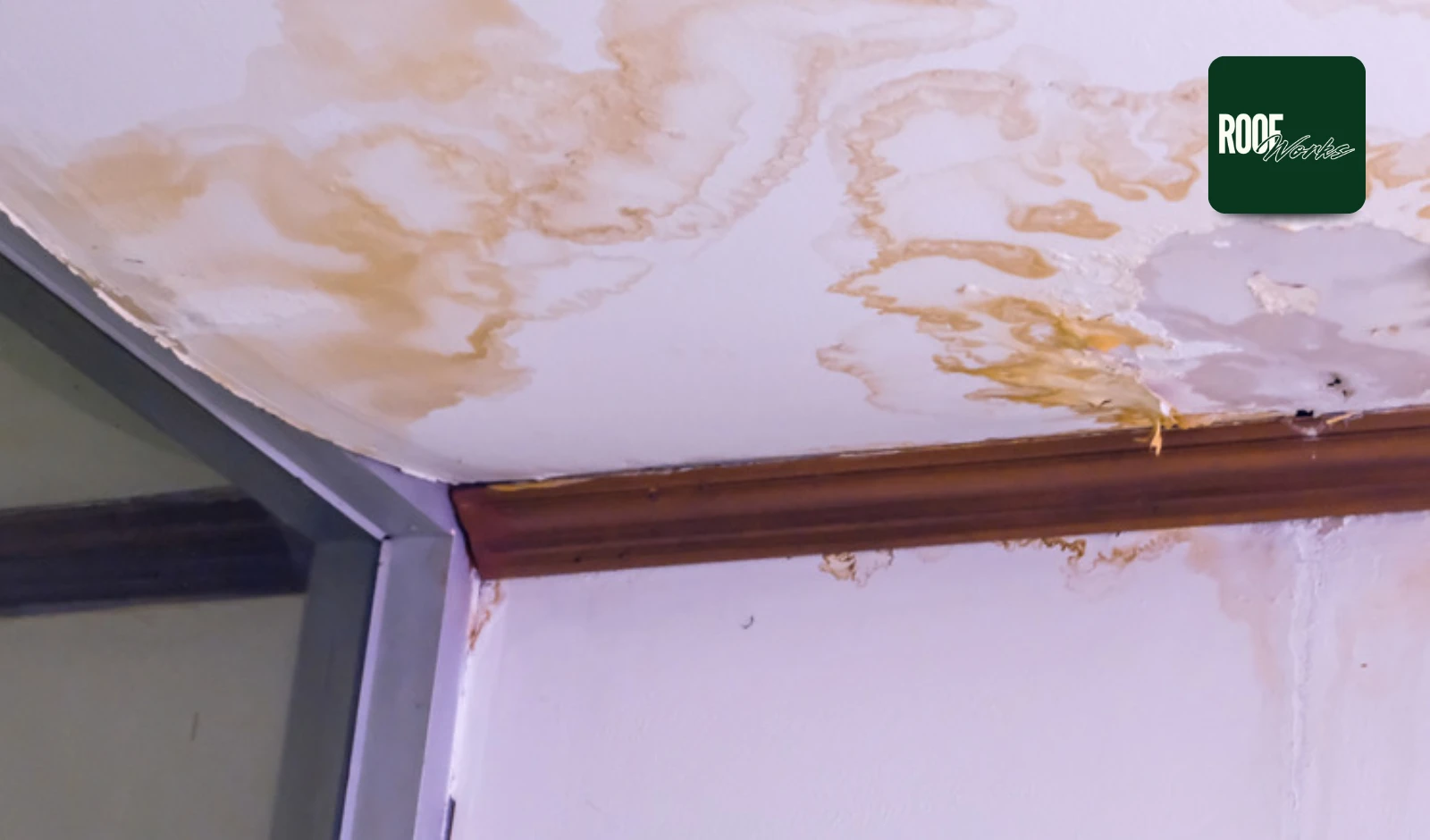
- Discoloured patches or water stains
- Bulging or uneven ceiling areas
- Cracks in the ceiling surface
- Peeling paint or plaster
- Dripping water
If a ceiling is sagging, it is important to act quickly before the damage worsens.
Why a Sagging Ceiling Is Dangerous
A sagging ceiling is more than a cosmetic issue. It is often a clear sign of water damage and can lead to serious safety concerns if not addressed early.
Risk of Collapse
As moisture weakens the ceiling material, it loses its strength. If the damage becomes severe, the ceiling may collapse without warning, which can be dangerous for anyone inside the home.
Structural Damage
Water can spread beyond the ceiling and affect beams, supports, and other parts of the structure. Over time, this can lead to more serious structural damage that is more complex and costly to repair.
Mould Growth
Damp conditions create the perfect environment for mould. This can spread quickly and affect indoor air quality, which may impact health over time.
Because of these risks, a sagging ceiling should be treated as an urgent issue and repaired as soon as possible.
How to Repair a Sagging Ceiling
Repairing a sagging ceiling depends on the severity of the water damage and how long the issue has been present. The most important step is identifying and fixing the source of the leak. This often involves the roof or plumbing system, and without resolving it properly, the problem is likely to return.
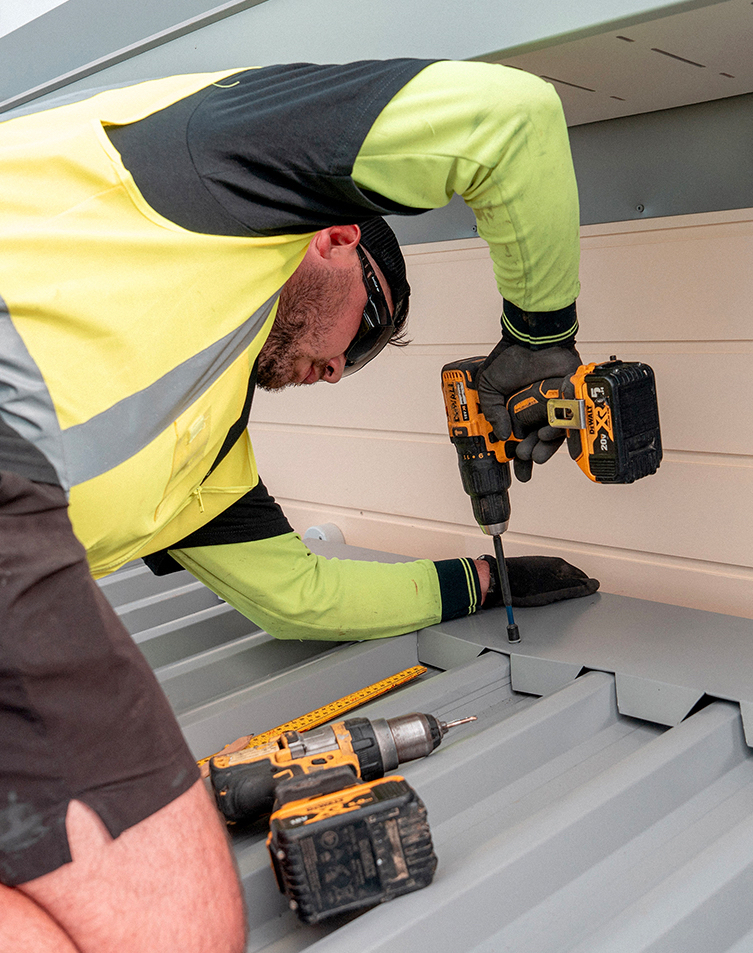
In many cases, a sagging ceiling indicates deeper structural issues that may not be immediately visible. Trapped water, weakened materials, and hidden damage can all affect the safety of the ceiling. Because of this, working with experienced roof repair specialists is often the safest and most reliable option. They can assess the full extent of the damage, carry out proper repairs, and restore the ceiling so it is secure and stable over the long term.

Can You Repair a Sagging Ceiling Yourself?
Some minor ceiling issues may seem manageable, but repairing a sagging ceiling is often more complex than it appears. When water damage is involved, the ceiling material may already be weakened, and there could be trapped moisture above the surface. This increases the risk of further damage or even collapse while attempting repairs. Without the right tools and experience, it can be difficult to identify how severe the problem really is.
In many cases, a sagging ceiling is a sign of deeper structural issues that are not immediately visible. Hidden damage to supports, insulation, or the roof itself can make the situation more serious than it looks. Because of these risks, many homeowners choose to contact roof repair specialists. A professional inspection ensures the source of the problem is properly fixed and the ceiling is safely restored.
When to Call Professionals
Professional help is recommended in most cases of sagging ceiling water damage.
You should contact experts if:
- The ceiling is heavily sagging
- Water is actively leaking
- There are signs of structural damage
- You are unsure about the cause
Many homeowners search for roof repair services near them when dealing with leaks. Professionals can identify the source of the problem and provide a safe, long-term solution.
Preventing Ceiling Water Damage
Prevention is key to avoiding costly repairs.
Regular Roof Inspections
Checking your roof helps identify small issues before they become major problems.
Fix Leaks Early
Addressing leaks quickly prevents water from spreading.
Maintain Plumbing Systems
Regular checks can help prevent hidden leaks.
Improve Ventilation
Good airflow reduces moisture buildup inside the home.
These steps help protect your ceiling and reduce the risk of water damage.
Long-Term Effects of Ignoring the Problem
Ignoring a sagging ceiling can lead to serious consequences.
- Increased repair costs
- Worsening structural damage
- Health risks from mould
- Potential ceiling collapse
Taking action early helps avoid these issues and keeps your home safe.
Final Thoughts
Sagging ceiling water damage is a serious issue that should be addressed as soon as possible. A ceiling is sagging when moisture weakens the material, which can lead to structural issues and safety risks.
Repairing the problem starts with fixing the source of the leak, followed by proper drying and restoration. Acting early helps prevent further damage and protects your home.
Protect Your Home Before Damage Gets Worse
A sagging ceiling can quickly become a larger and more costly problem if left untreated. Taking action early helps protect your home, reduce repair costs, and restore safety.
Call Roof Works today on 03 667 3174 or book online to save $15 and get expert help protecting your roof. Let experienced professionals identify the cause, fix the issue, and restore your home with confidence.


Got a question?
Contact us for a FREE installation quote or book your job online today.

Same Day Service Guarantee - Terms & Conditions

The "Same Day Service Guarantee or it's Free" applies to:
a. Residential work and Commercial only.
b. Jobs specified as needing same day service when booking a job by phone or online.
c. Residential and Commercial work booked with Grammar Electrical:
i) Before 11:00AM
ii) For calls or online bookings received after 11:00AM, the customer will be offered a job. Booking for the next business day and normal callout fees ($170+ GST) will apply.
iii) Any other jobs booked outside business hours (9:00AM - 5:00PM Monday- Friday) will incur after hours charges.
iv) This offer is excluded for jobs booked on New Zealand public holidays.
d. If Grammar Electrical are unable to attend on the same day (within 24 hours) for a job booked by the customer, the standard callout fee of $170 + GST will be waived and is free, but all other normal charges, fees and expenses will apply to perform the Electrical Services and to provide any products/materials concerning those services.
e. The Standard Callout Fee will be deducted from your bill as long as you pay within your invoice's due date. The callout charge is applicable if your invoice is overdue.
f. If Grammar Electrical are willing and able to perform the Service or provide the Goods on the same day the job is booked, however the Customer for whatever reason does not give access to their property on the day, Grammar Electrical will be deemed to have complied with it's "Same Day or it's Free" guarantee and shall be entitled to charge the customer the standard call-out fee.
g. This offer is not a guarantee of work being completed. The completion of the job will depend on stock availability and also the amount of work required.