

.webp)





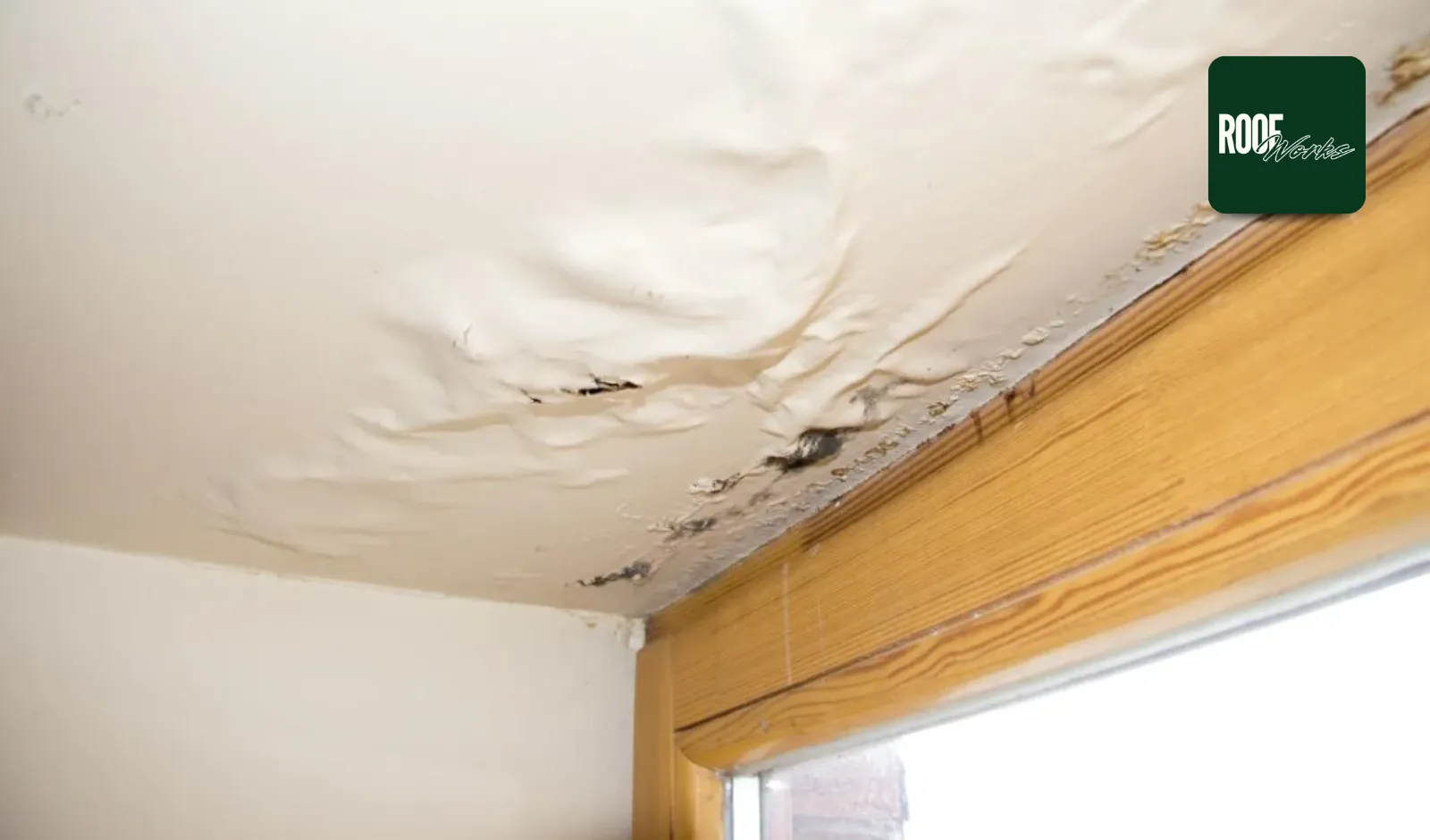

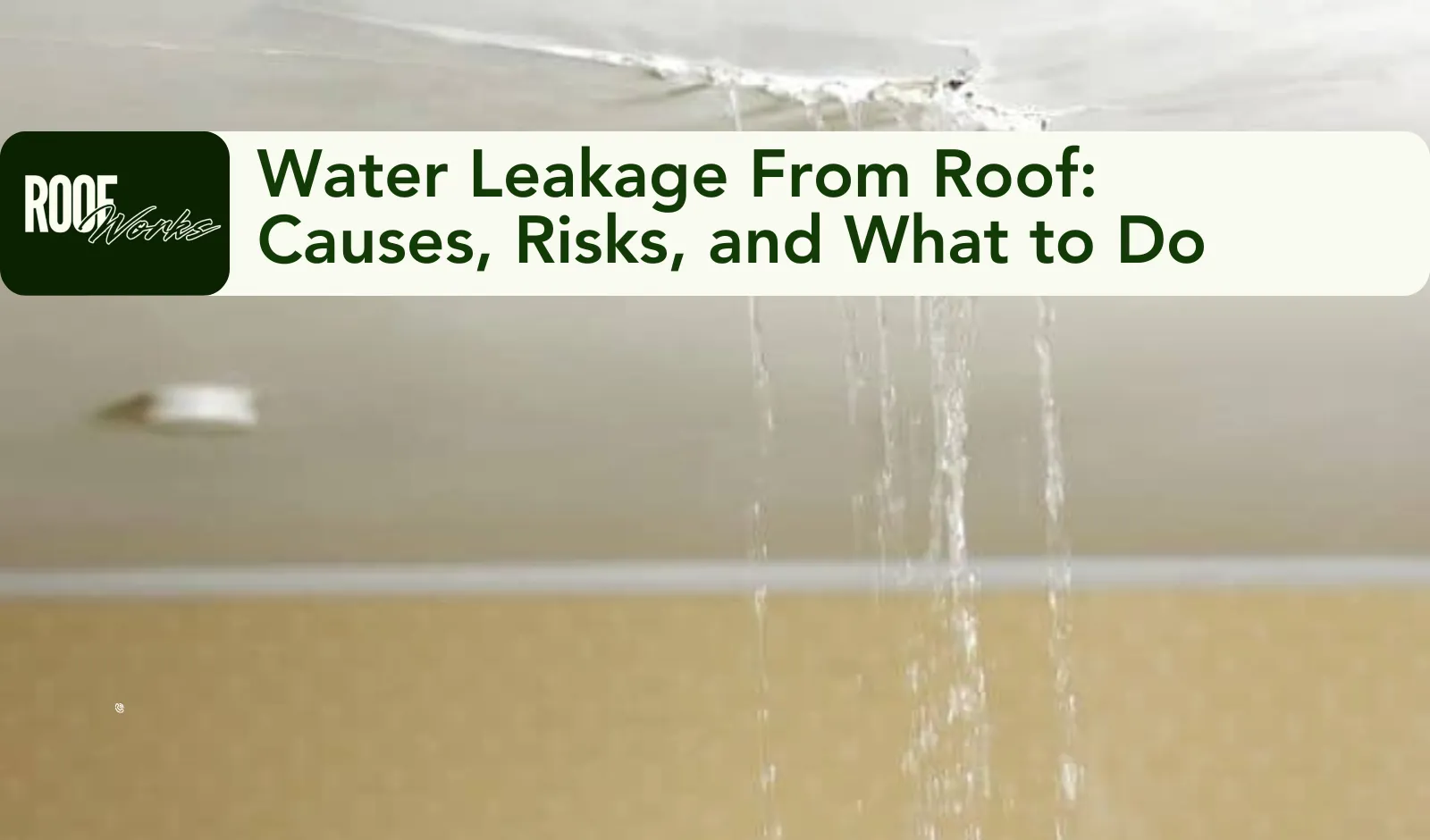
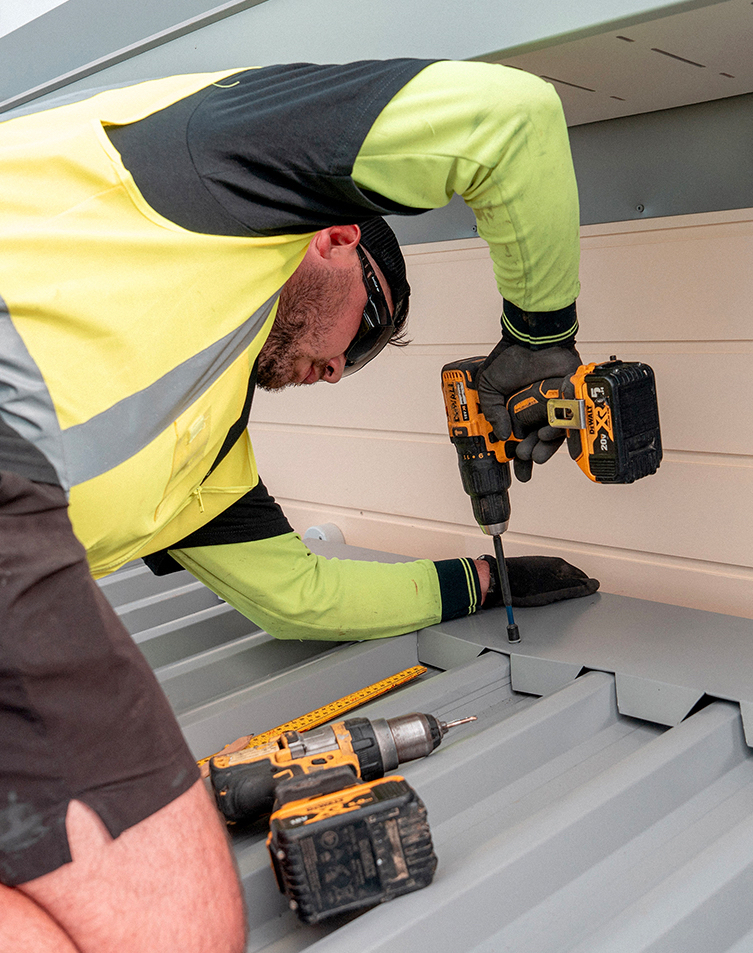
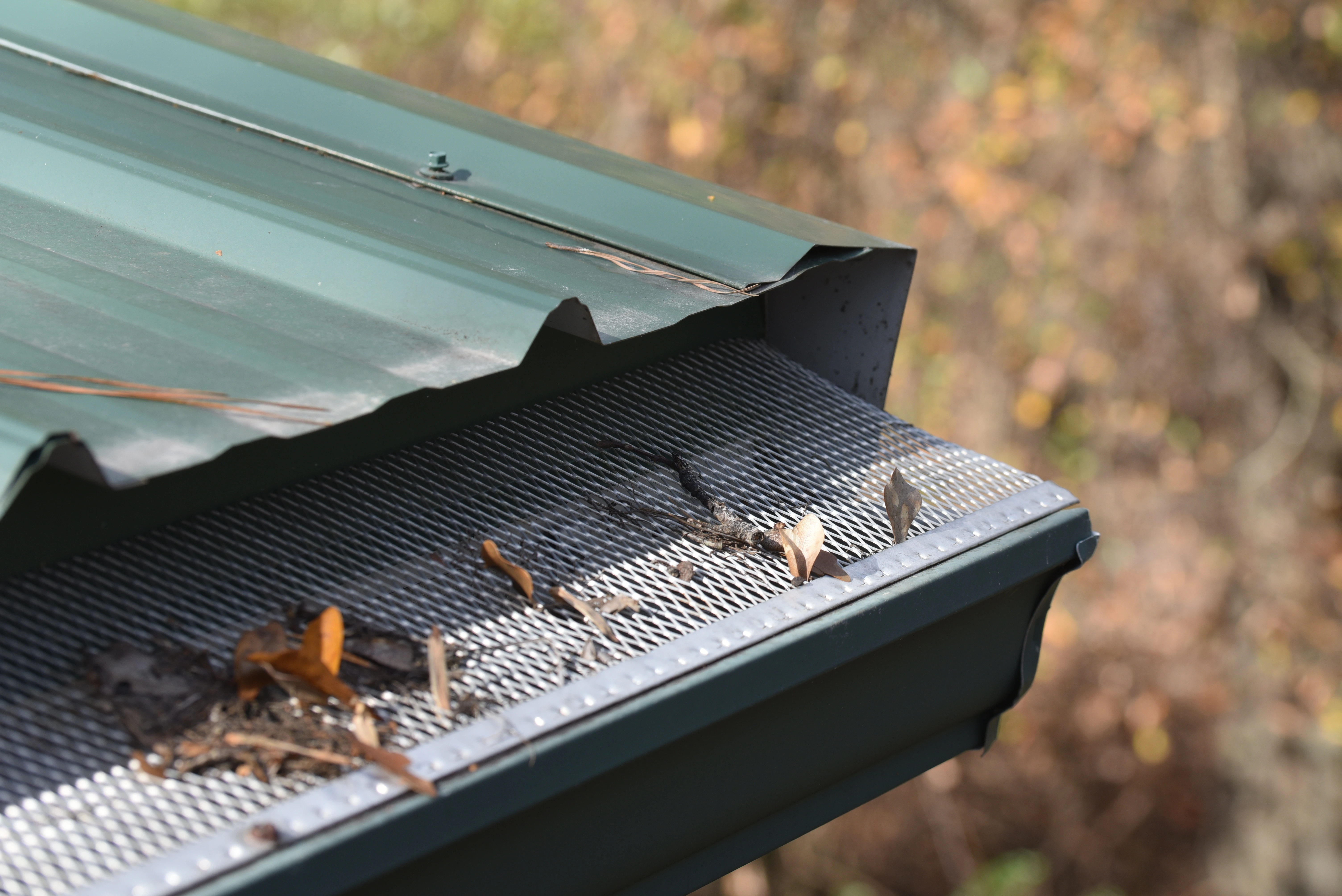
Water leakage from roof areas is one of the most common and damaging problems homeowners face. What often starts as a small damp patch can quickly turn into serious structural damage if left untreated. Roof leaks rarely fix themselves. In fact, leaks can lead to ongoing water damage, mould growth, and costly repairs over time.
Understanding why leaks happen and knowing how to respond early can help protect your home, especially in regions exposed to harsh weather.
Why Roof Leaks Are a Serious Problem
Roof leaks allow water to enter parts of your home that are not designed to handle moisture. Once water gets past the roof surface, it can soak into insulation, timber framing, and ceilings. Over time, this moisture weakens materials and creates the perfect environment for mould.
Even a regular roof that looks fine from the outside can hide problems beneath the surface. By the time water becomes visible indoors, the damage may already be widespread.
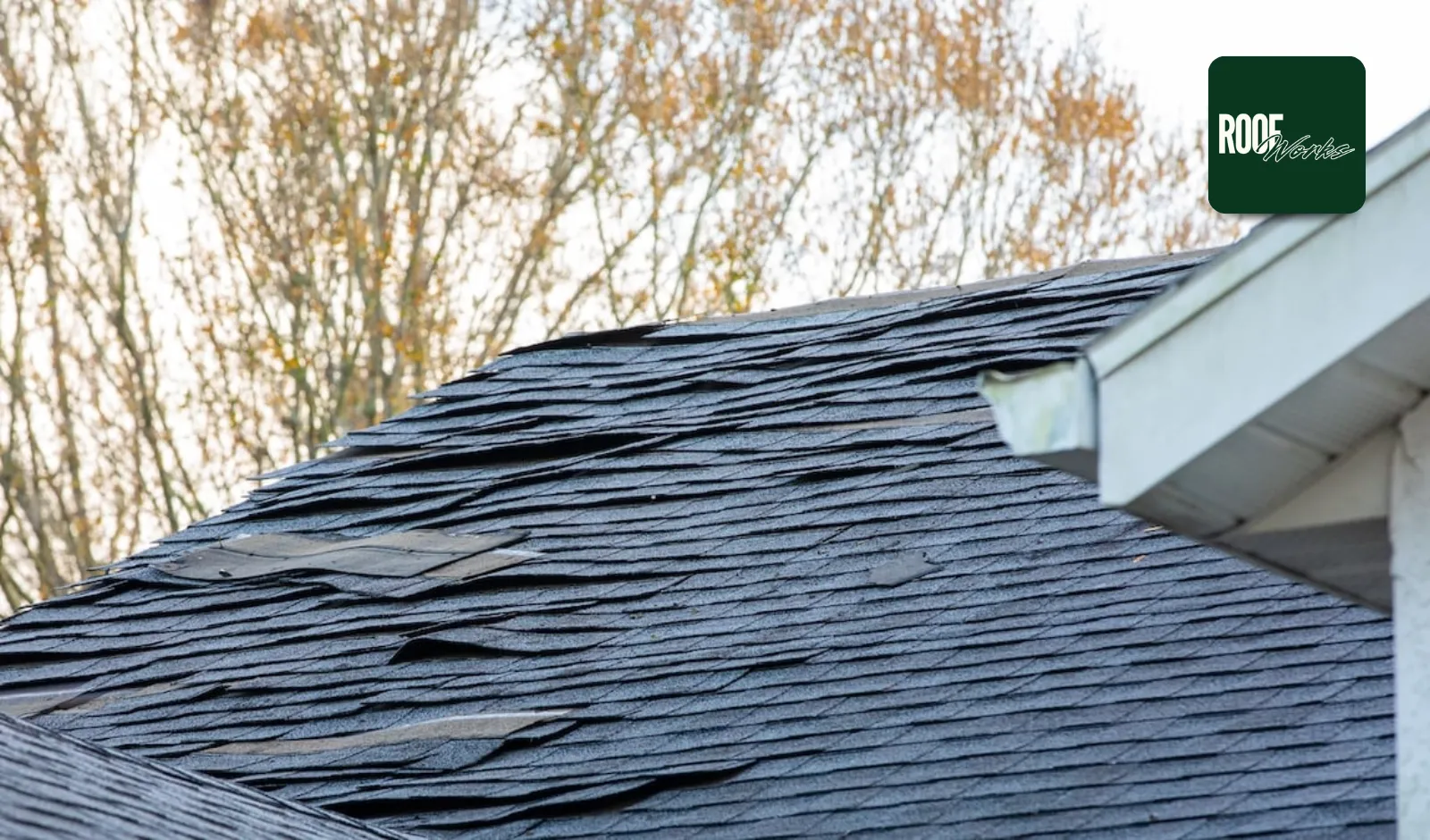
Common Causes of Water Leakage From Roof Areas
Roof leaks usually develop due to gradual wear rather than sudden failure. Some of the most common causes include:
- Wear and tear from ageing roofing materials
- Cracks or gaps caused by temperature changes
- Poor drainage allows water to pool
- Damage after storms or heavy rain
- Inadequate sealing around joints or penetrations
In many homes, leaks develop slowly and worsen over time, especially when roofs are not regularly maintained.
Water Leakage From Concrete Roofs
A concrete roof is known for its strength and durability, but it is not immune to leaks. Concrete is porous by nature, which means it can absorb moisture if not properly sealed. Over time, small cracks can form due to movement, temperature changes, or surface degradation.
Homeowners often ask how to stop water leakage from concrete roof surfaces. While surface coatings and waterproofing systems are commonly used, identifying the exact source of the leak is critical. Treating the surface alone may not solve deeper structural issues.
How Water Damage Develops Over Time
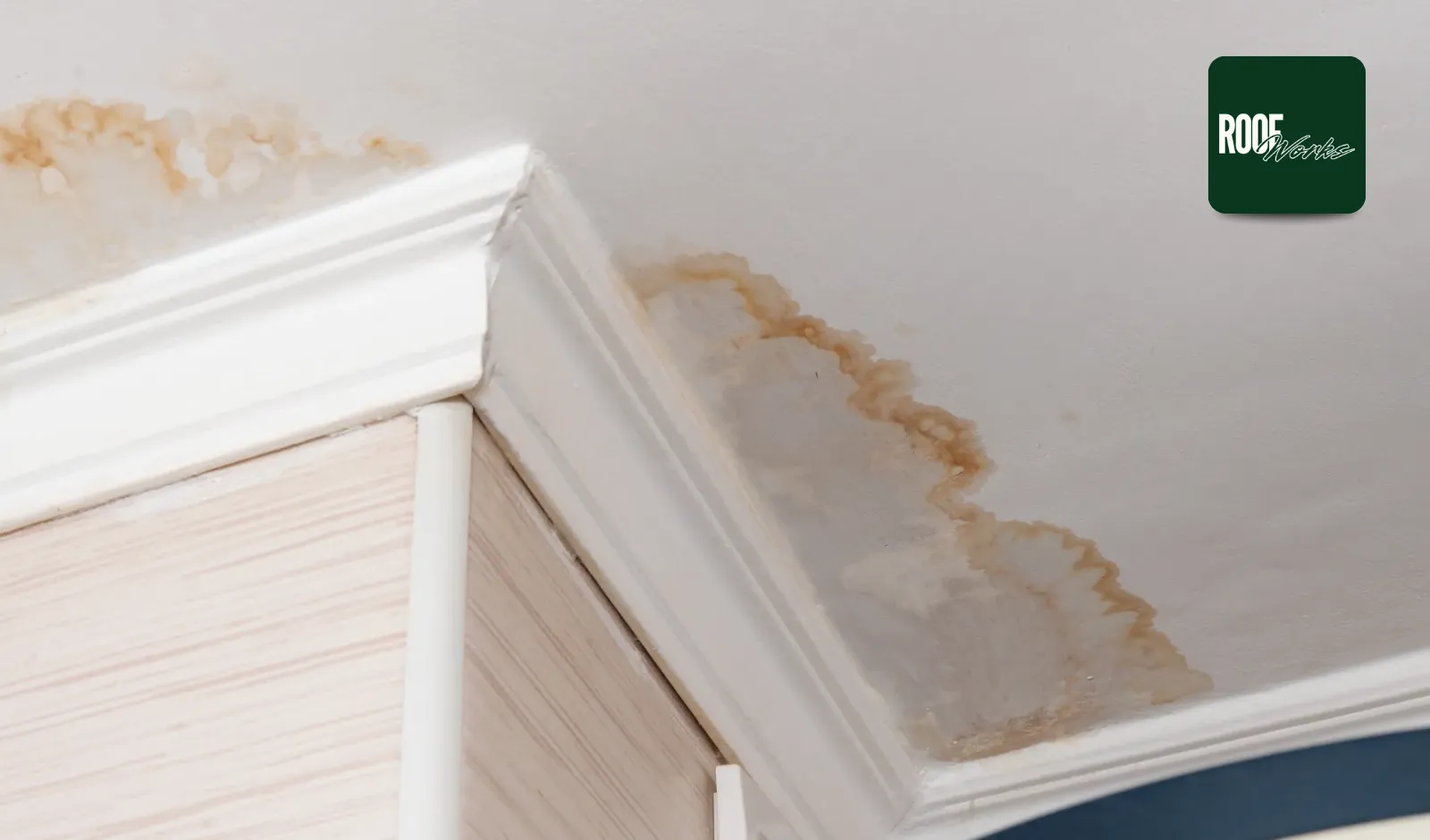
Once water enters a roof system, it does not always appear straight away. Moisture can travel along beams, insulation, or ceiling cavities before becoming visible. This delayed effect makes roof leaks particularly dangerous.
Unchecked leaks can lead to:
- Rotting timber and weakened framing
- Damaged ceilings and walls, often seen as water dripping through the ceiling
- Electrical hazards
- Long-term mould issues
This is why early detection and proper assessment are so important.
The Impact of Harsh Weather on Roof Performance
New Zealand’s changing climate places extra stress on roofing systems. Heavy rain, strong winds, and temperature swings all contribute to roofing failure over time. Harsh weather can accelerate small weaknesses, turning minor issues into major leaks.
Roofing materials that once performed well may degrade faster if exposed to repeated weather extremes, especially when maintenance is delayed.
Why Roof Inspections Matter
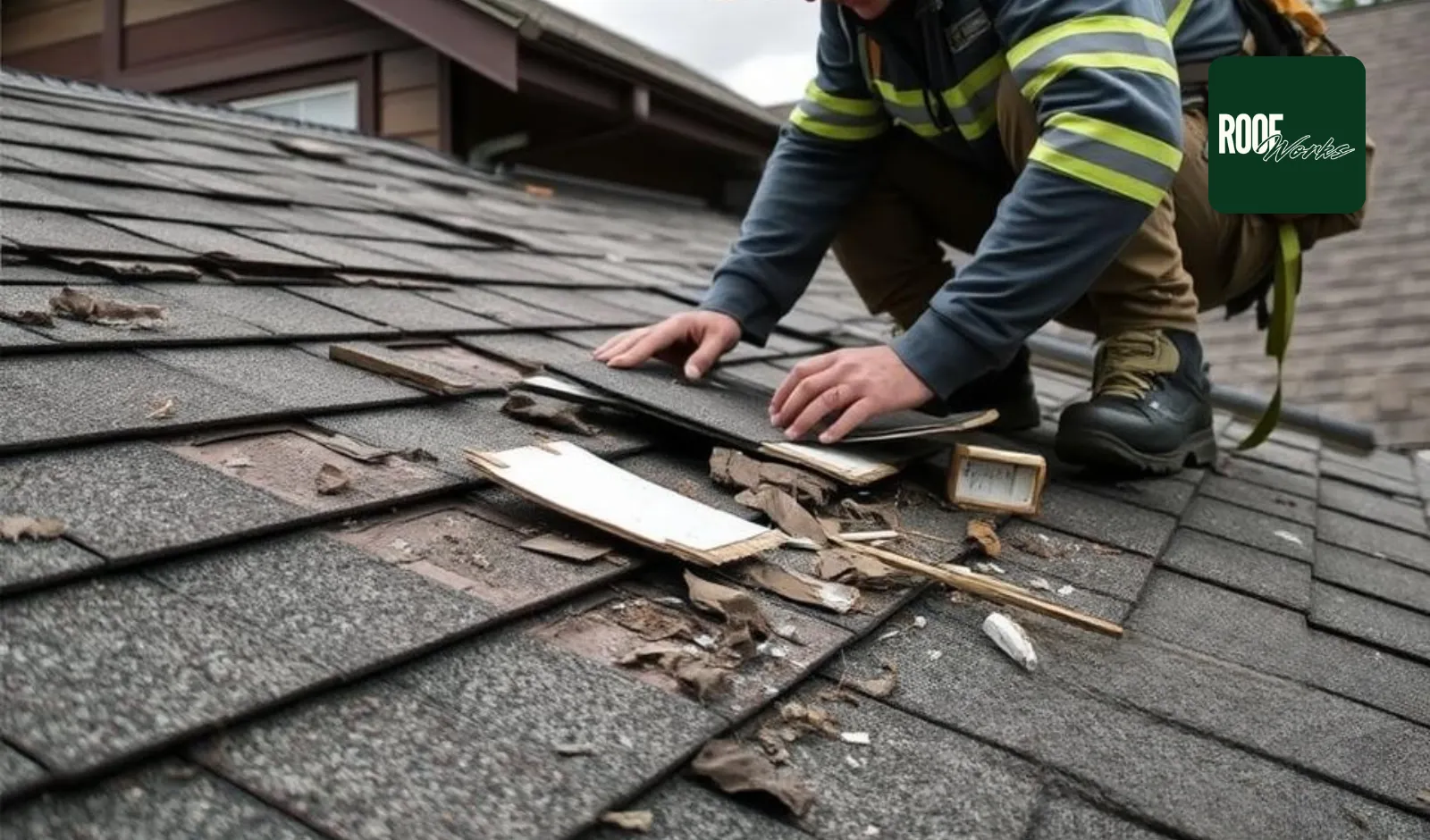
One of the best ways to prevent roof leaks is to have your roof inspected before problems escalate. A professional inspection can identify early signs of damage, blocked drainage points, or areas where moisture is beginning to enter.
Having your roof inspected regularly helps catch issues early, reducing the risk of sudden leaks and expensive repairs later on.
When Roof Leaks Become an Emergency
Some leaks develop slowly, while others appear suddenly after storms or heavy rainfall. When water begins entering living spaces, immediate action is required. In these situations, emergency roof leak repair may be needed to limit further damage and protect the structure of the home.
Temporary fixes can help control water flow, but a proper assessment is always required to address the root cause of the problem.
Choosing the Right Repair Approach
Not all roof leaks require full replacement, but ignoring them is never the answer. Depending on the cause, repairs may involve resealing joints, fixing cracked surfaces, or restoring protective coatings.
If you notice ongoing moisture issues or signs of water damage, you may start searching for roof repair services near you to deal with the problem before it spreads further. Professional repairs focus on long-term performance rather than short-term patches.
Maintaining a High-Quality Roof Over Time
A high-quality roof relies on more than just strong materials. Proper installation, regular maintenance, and timely repairs all play a role in preventing leaks. Concrete roofs, in particular, benefit from periodic checks and surface treatments to maintain waterproofing performance.
Addressing small issues early helps stop water leakage before it compromises the entire roof system.
Final Thoughts
Water leakage from roof systems is a problem that should never be ignored. Whether the issue involves a concrete roof or another roofing type, early action can help prevent serious water damage and structural issues. Understanding the causes, recognising early warning signs, and seeking professional assessment are the best ways to protect your home for the long term.
If you are dealing with roof leaks or want advice on preventing future problems, professional guidance can help ensure your roof remains safe, durable, and weather-resistant.
Take Action Before Roof Leaks Get Worse
Water leakage from roof areas can quickly turn into serious and costly damage if left untreated. Getting expert advice early helps identify the cause, limit water damage, and protect your home from future leaks.
If you are dealing with ongoing roof leaks or need professional guidance on how to stop water leakage from a concrete roof, the team at Roof Works is here to help. Call 03 667 3174 today or book online to save $15.


Got a question?
Contact us for a FREE installation quote or book your job online today.

Same Day Service Guarantee - Terms & Conditions

The "Same Day Service Guarantee or it's Free" applies to:
a. Residential work and Commercial only.
b. Jobs specified as needing same day service when booking a job by phone or online.
c. Residential and Commercial work booked with Grammar Electrical:
i) Before 11:00AM
ii) For calls or online bookings received after 11:00AM, the customer will be offered a job. Booking for the next business day and normal callout fees ($170+ GST) will apply.
iii) Any other jobs booked outside business hours (9:00AM - 5:00PM Monday- Friday) will incur after hours charges.
iv) This offer is excluded for jobs booked on New Zealand public holidays.
d. If Grammar Electrical are unable to attend on the same day (within 24 hours) for a job booked by the customer, the standard callout fee of $170 + GST will be waived and is free, but all other normal charges, fees and expenses will apply to perform the Electrical Services and to provide any products/materials concerning those services.
e. The Standard Callout Fee will be deducted from your bill as long as you pay within your invoice's due date. The callout charge is applicable if your invoice is overdue.
f. If Grammar Electrical are willing and able to perform the Service or provide the Goods on the same day the job is booked, however the Customer for whatever reason does not give access to their property on the day, Grammar Electrical will be deemed to have complied with it's "Same Day or it's Free" guarantee and shall be entitled to charge the customer the standard call-out fee.
g. This offer is not a guarantee of work being completed. The completion of the job will depend on stock availability and also the amount of work required.