

.webp)






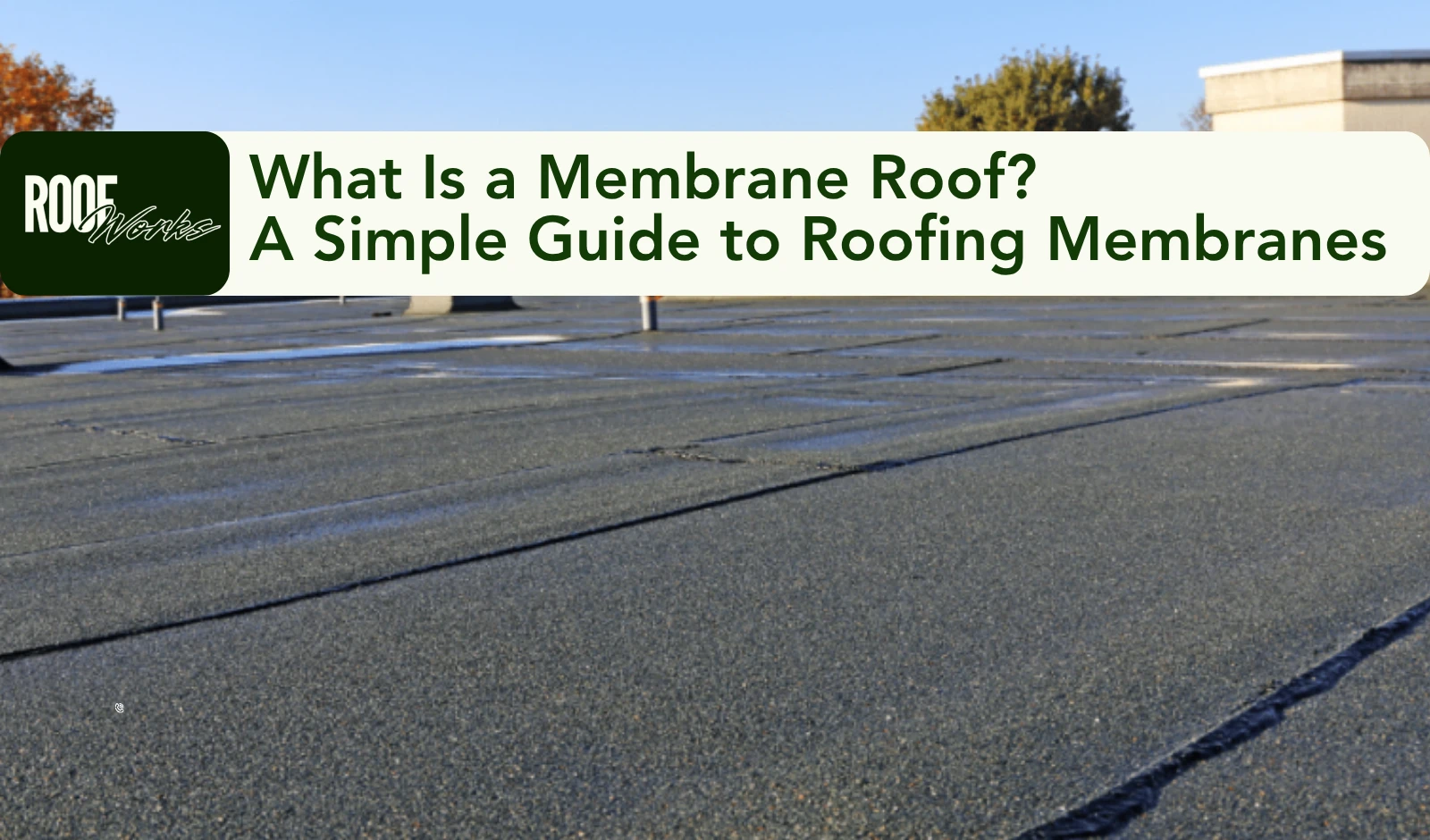
Many modern buildings use membrane roofing systems because they provide reliable waterproof protection. If you have ever wondered what membrane for roofing is, the answer is simple. It is a protective layer designed to stop water from entering the building.
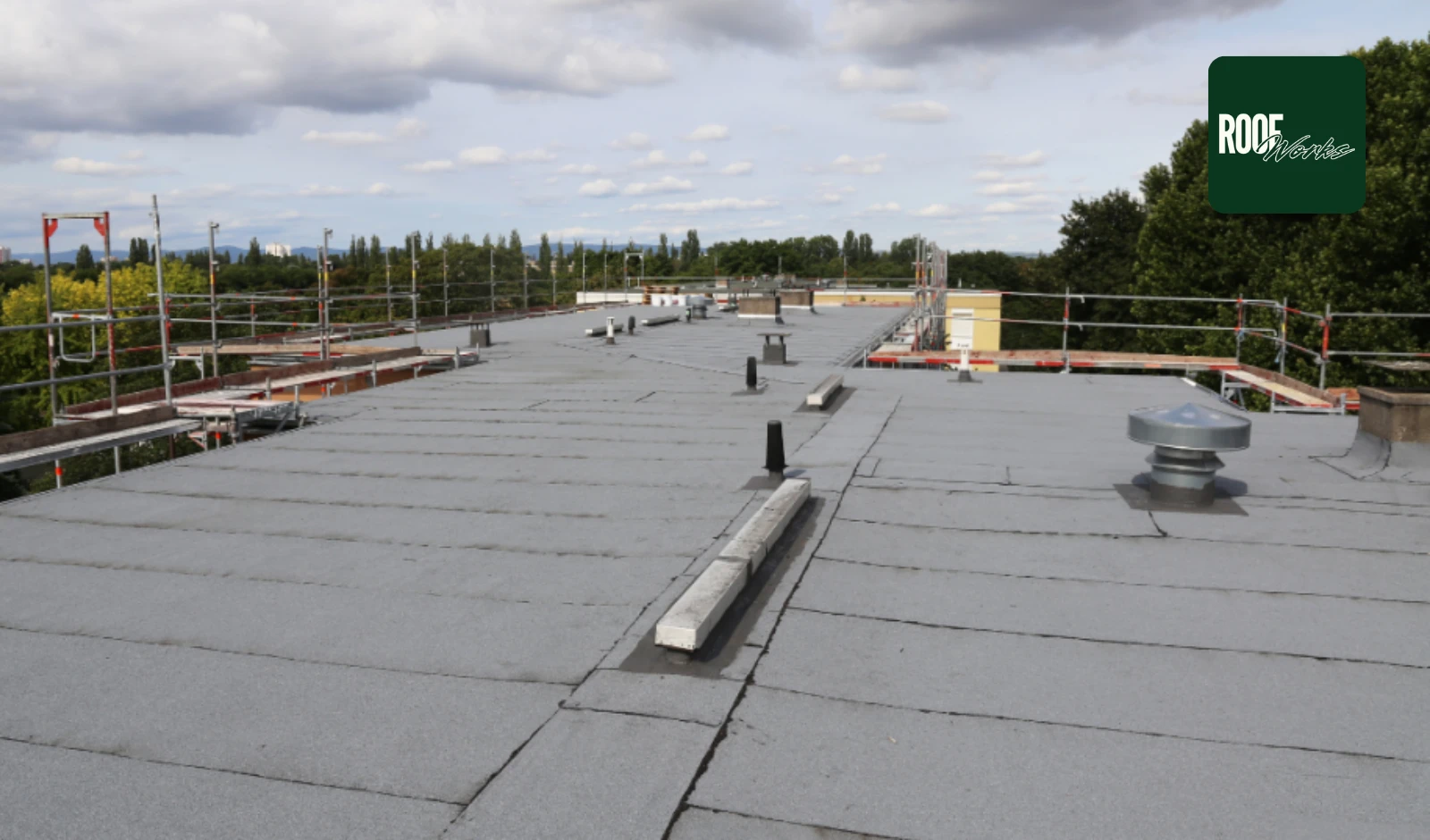
Membrane roofs are especially common on flat roof structures and commercial building designs. These roofs do not have the steep slopes found on traditional homes, so they need special roofing solutions to prevent water from pooling.
Membrane roof systems use strong and flexible materials that create a continuous waterproof barrier. This design helps protect the building from leaks and weather damage.
What Is Roofing Membrane Made Of
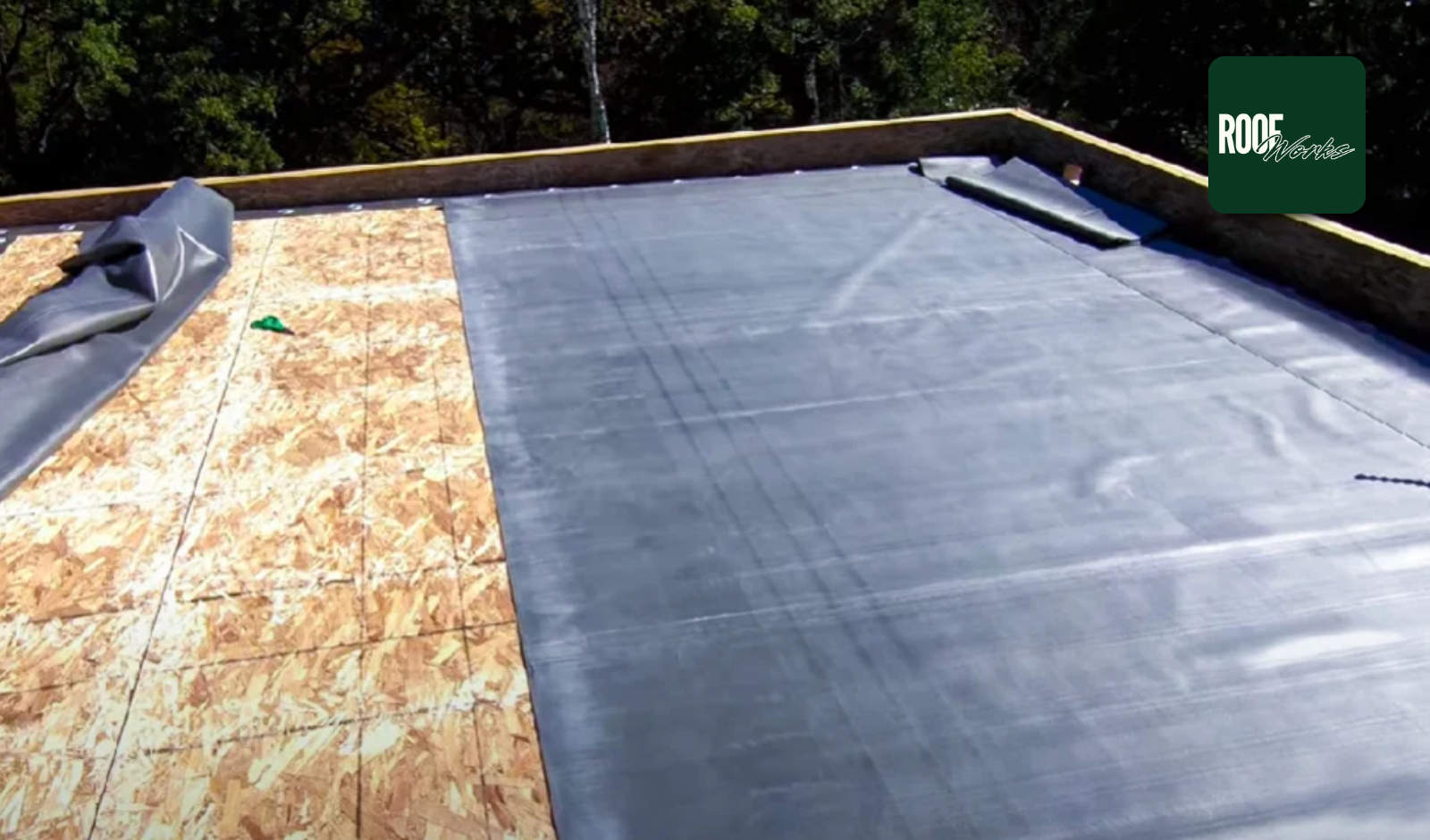
A roofing membrane is made from durable materials that resist moisture, sunlight, and weather exposure. Several types of roofing materials are used to create these membranes.
Ethylene Propylene Diene Monomer (EPDM)
One common membrane material is ethylene propylene diene monomer. This material is a type of synthetic rubber. EPDM membranes are flexible and resistant to extreme weather conditions. Because of their durability, they are widely used on flat roof systems.
Thermoplastic Polyolefin (TPO)
Another popular option is thermoplastic polyolefin. A TPO membrane is a lightweight and reflective roofing material. TPO membranes help reduce heat absorption, making them an eco-friendly option for some buildings. Many commercial building owners choose TPO membrane roofing for energy efficiency.
Modified Bitumen
Modified bitumen is another membrane used in roofing systems. It combines asphalt with reinforcing materials to create a strong ply membrane. This type of roofing is often installed in multiple layers, which improves durability and waterproof protection.
Types of Membrane Roof Systems
Single Ply Membranes
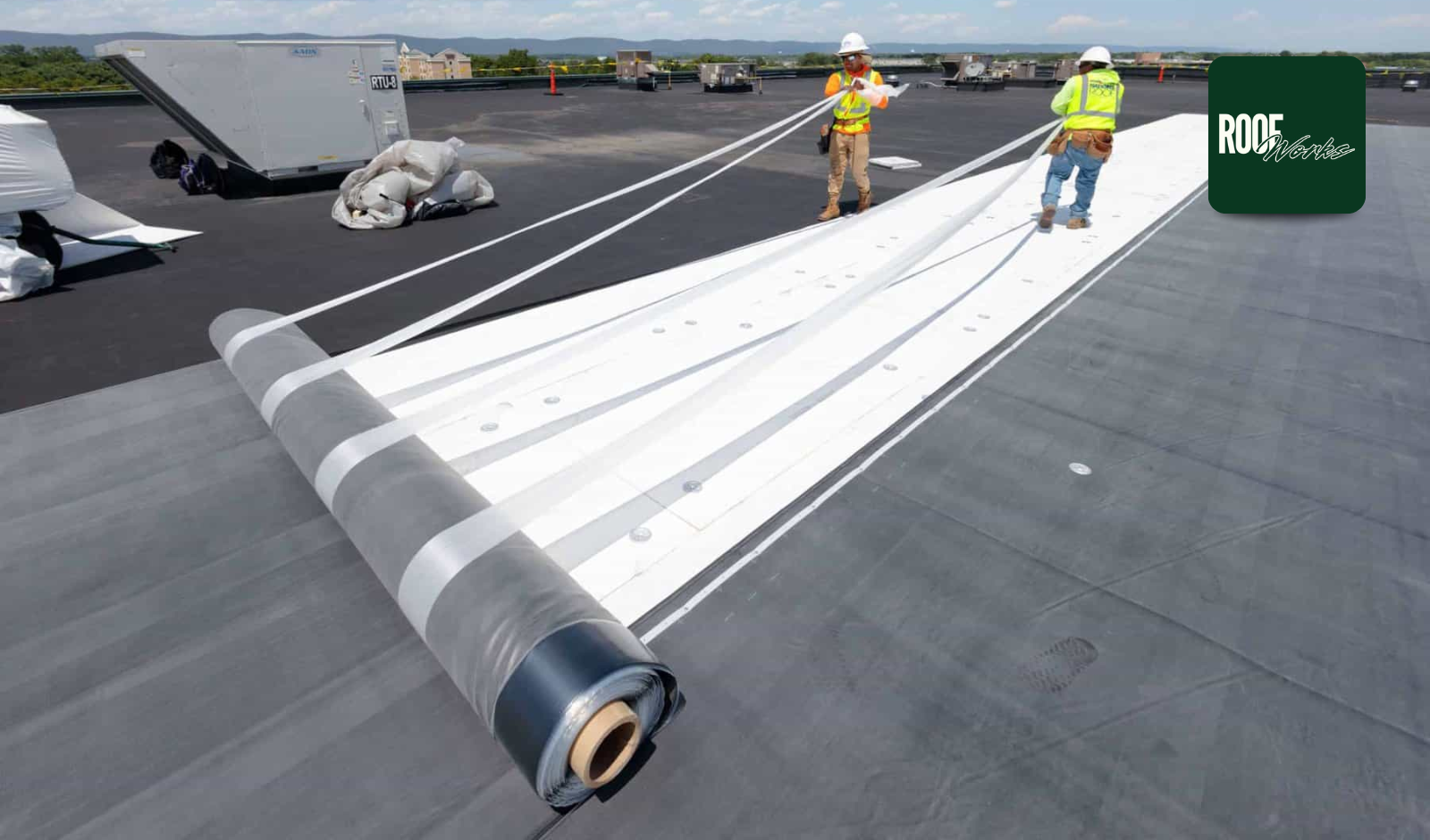
Single-ply membranes are thin sheets of roofing material that create a waterproof layer across the roof surface. These sheets are often made from synthetic rubber or thermoplastic polyolefin.
They are lightweight and easy to install compared with some other roof systems.
Multi-layer Membranes
Some roof systems use multiple layers of modified bitumen or other materials. These layers strengthen the roof and improve waterproof protection. Multi-layer systems are common in commercial building roofing designs where extra durability is required.
Where Membrane Roofs Are Used
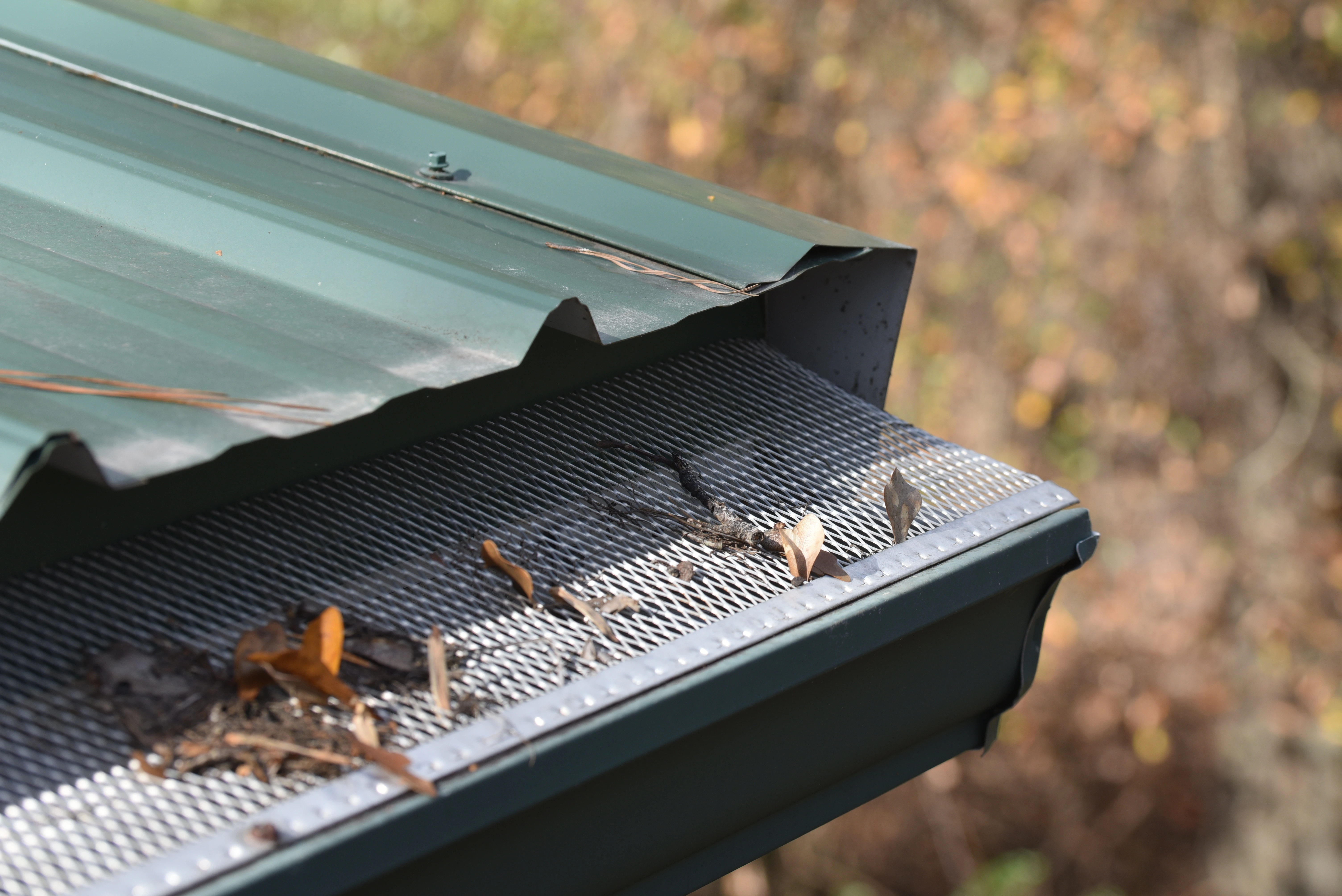
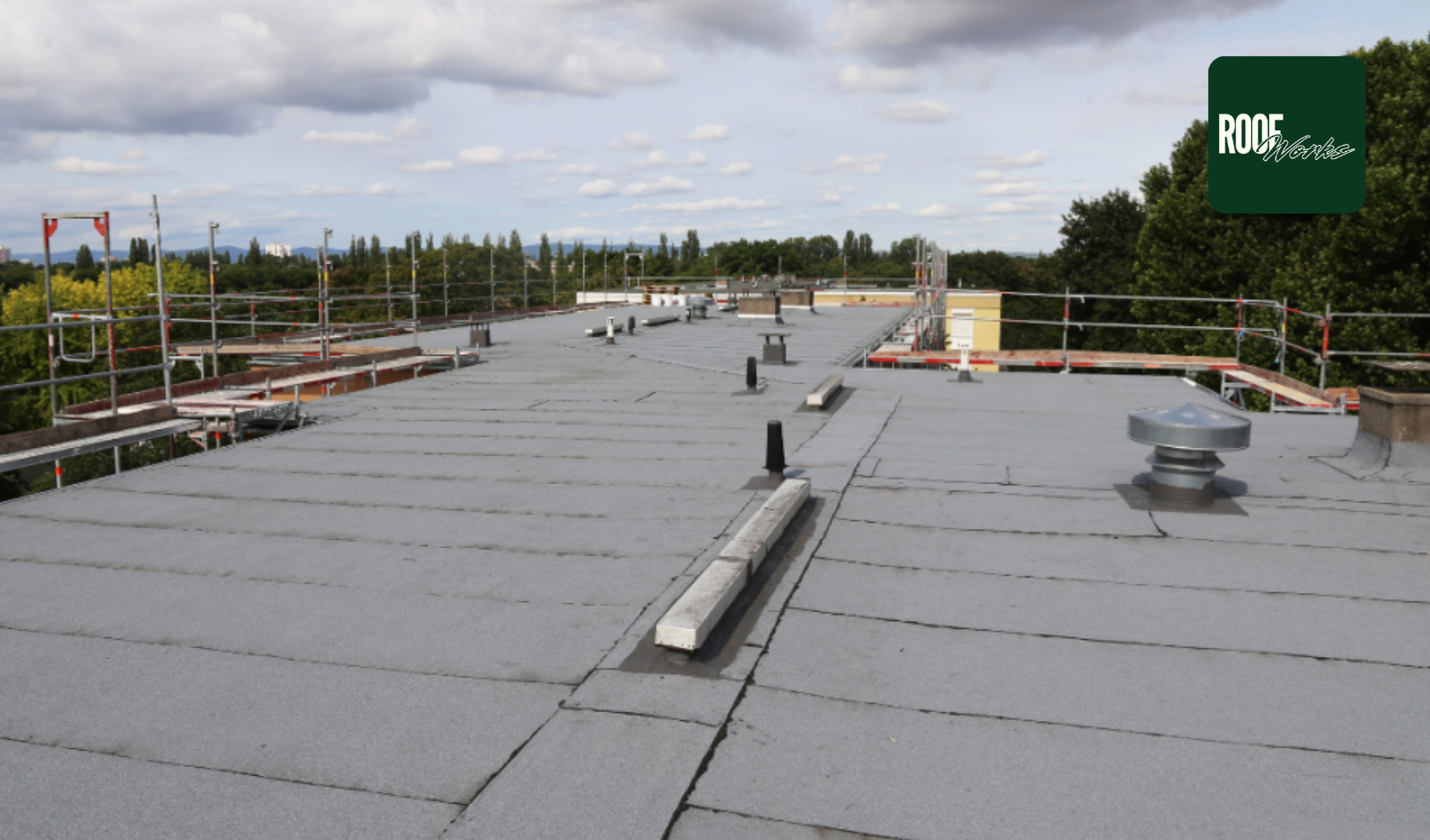
Membrane roofs are commonly used on flat roof structures and low-slope roofs. These roofs are often found on:
- Commercial building structures
- Warehouses
- Apartment complexes
- Industrial buildings
Some residential buildings also use membrane roof systems, especially when modern flat roof designs are used.
Benefits of Membrane Roofing
Membrane roofing offers several advantages compared with some traditional roof systems.
Strong Waterproof Protection
Membrane roofing materials form a continuous barrier. This helps prevent water from entering the building.
Flexibility
Materials such as synthetic rubber allow the roof to expand and contract during temperature changes.
Energy Efficiency
Reflective membranes, such as TPO membrane roofing, help reduce heat absorption. This can improve building energy efficiency.
Wide Range of Options
Modern roofing solutions include a wide range of membrane products designed for different climates and building types.
Why Maintenance Matters
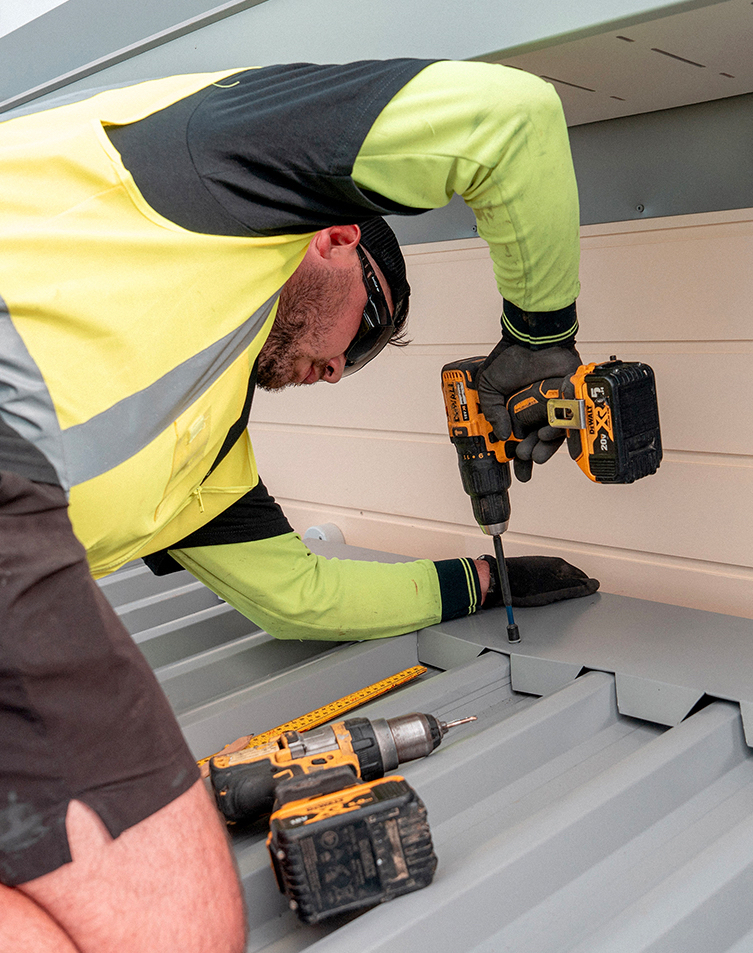
Membrane roof systems need regular inspections and maintenance to stay effective. Over time, seams, flashing, and drainage areas may wear or loosen.
Regular checks help:
- Detect early damage before leaks develop
- Maintain strong waterproof protection
- Reduce the risk of emergency roof leak repair
Roof repair specialists can inspect the roof, repair damaged sections, and ensure the membrane continues protecting the building. Many property owners search for roof repair services near them when they notice pooling water or signs of damage.
Final Thoughts
Membrane roofs are an important part of modern roofing solutions. These systems provide strong waterproof protection for flat roofs and low-slope roofs.
Understanding what roofing membrane is made of helps building owners choose the right materials for their property. Options such as synthetic rubber, thermoplastic polyolefin, and modified bitumen offer reliable protection in different environments.
With proper installation and regular maintenance, membrane roofing systems can protect buildings for many years.
Protect Your Roof With Professional Support
Membrane roofs require proper installation and maintenance to perform well. Professional inspections help detect issues early and prevent costly repairs.
Call Roof Works today on 03 667 3174 or book online to save $15 and get expert help protecting your roof.


Got a question?
Contact us for a FREE installation quote or book your job online today.

Same Day Service Guarantee - Terms & Conditions

The "Same Day Service Guarantee or it's Free" applies to:
a. Residential work and Commercial only.
b. Jobs specified as needing same day service when booking a job by phone or online.
c. Residential and Commercial work booked with Grammar Electrical:
i) Before 11:00AM
ii) For calls or online bookings received after 11:00AM, the customer will be offered a job. Booking for the next business day and normal callout fees ($170+ GST) will apply.
iii) Any other jobs booked outside business hours (9:00AM - 5:00PM Monday- Friday) will incur after hours charges.
iv) This offer is excluded for jobs booked on New Zealand public holidays.
d. If Grammar Electrical are unable to attend on the same day (within 24 hours) for a job booked by the customer, the standard callout fee of $170 + GST will be waived and is free, but all other normal charges, fees and expenses will apply to perform the Electrical Services and to provide any products/materials concerning those services.
e. The Standard Callout Fee will be deducted from your bill as long as you pay within your invoice's due date. The callout charge is applicable if your invoice is overdue.
f. If Grammar Electrical are willing and able to perform the Service or provide the Goods on the same day the job is booked, however the Customer for whatever reason does not give access to their property on the day, Grammar Electrical will be deemed to have complied with it's "Same Day or it's Free" guarantee and shall be entitled to charge the customer the standard call-out fee.
g. This offer is not a guarantee of work being completed. The completion of the job will depend on stock availability and also the amount of work required.