

.webp)






Commercial roofing plays a critical role in protecting offices, warehouses, retail spaces, and other commercial buildings. Unlike residential roofs, commercial roofs must cover larger areas, support equipment, and withstand constant exposure to sun, wind, rain, and temperature changes.
There are many types of commercial roofing systems available, and each one is designed to solve specific challenges. Some focus on waterproofing, others on energy efficiency, and others on high resistance to foot traffic or extreme weather. Understanding how these systems work helps commercial property owners choose a roof that protects their investment and performs reliably over time.
Understanding Commercial Roof Types
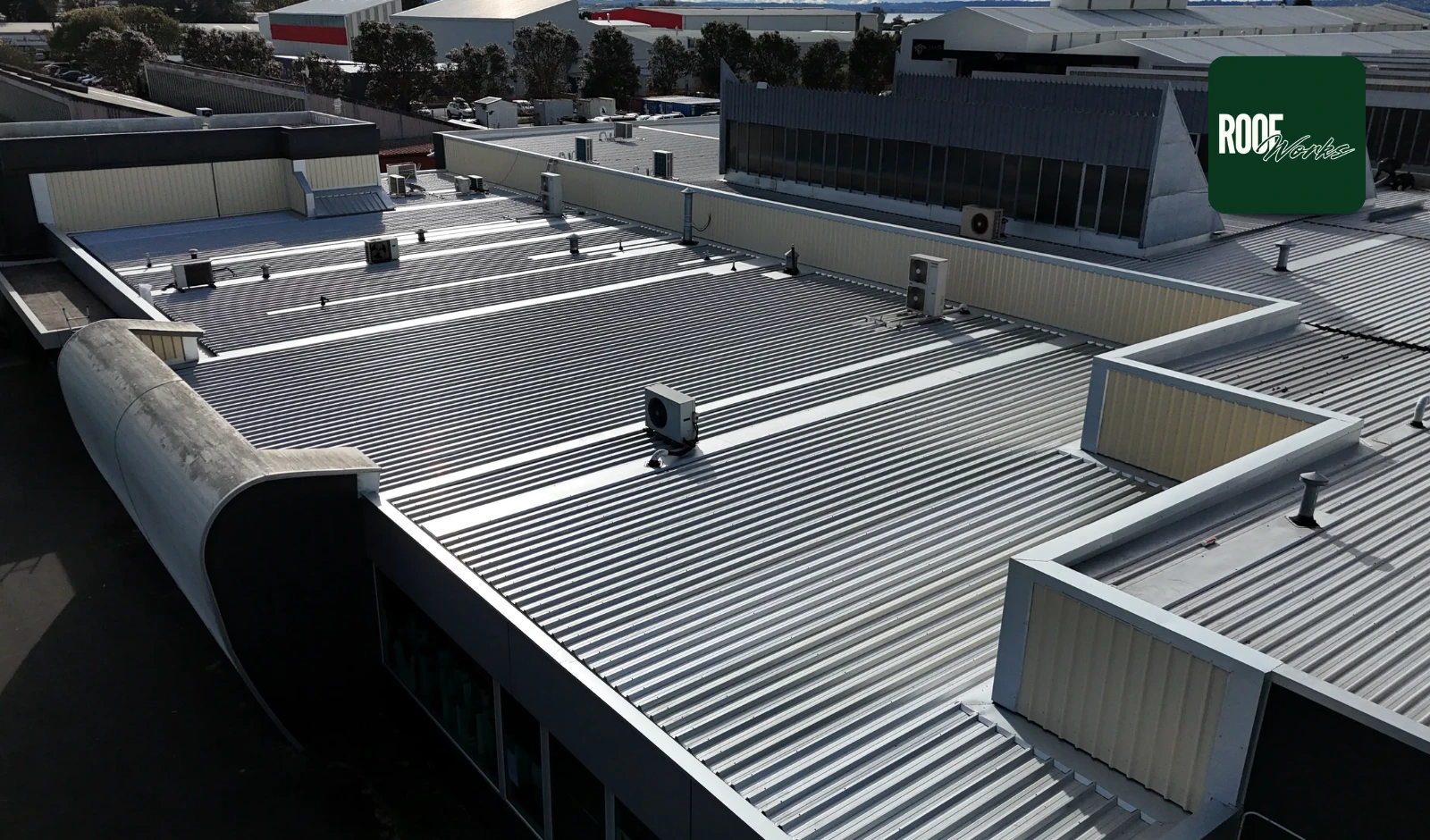
Commercial roof types are generally classified by roof slope and material. Most commercial buildings use flat roofs or low-slope commercial roofing systems. These designs allow space for HVAC units, drainage systems, and easy access for inspections.
Unlike residential roofs, appearance is usually not the main concern. Performance, durability, and safety are the top priorities. A well-designed commercial roof system should resist leaks, manage water effectively, and handle long-term exposure to UV rays.
Flat Roof Systems for Commercial Buildings
The flat roof is the most common design for commercial buildings. While these roofs appear flat, they are built with a slight slope to guide water toward drains.
Flat roof systems are popular because they:
- Support large roof surfaces efficiently
- Allow safe access for maintenance
- Accommodate equipment installations
- Use multiple layers for added protection
Several materials are commonly used for flat roof systems, each offering different benefits.
.webp)
EPDM Roofing (Rubber Roofing)
EPDM roof systems are one of the most widely used solutions in commercial roofing. EPDM stands for ethylene propylene diene monomer, a durable synthetic rubber material.
Why EPDM Is Popular
- High resistance to UV rays and ozone
- Excellent flexibility in hot and cold temperatures
- Strong weather resistance
- Proven long lifespan with proper care
An EPDM roof works especially well on flat roof designs because it expands and contracts without cracking. Rubber roofing is also valued for its fire-resistant performance when installed to specification.
Modified Bitumen Roofing
Modified bitumen roofing is another trusted commercial roof system. It is made from asphalt combined with reinforcing materials and polymers.
Key Benefits
- Installed in multiple layers for added strength
- High resistance to punctures and foot traffic
- Reliable waterproofing for low-slope roofs
- Strong performance on busy commercial property sites
Modified bitumen roofing is commonly used where durability and flexibility are required, especially on buildings with frequent roof access.
.webp)
Built-Up Roofing (BUR)
Built-up roofing, often called BUR, is one of the oldest commercial roofing systems still in use.
How BUR Works
BUR uses multiple layers of asphalt and reinforcing fabric to form a thick, durable surface. These layers create high resistance to water penetration and physical damage.
Advantages of BUR
- Excellent waterproof protection
- High resistance to UV rays
- Long lifespan when maintained
- Suitable for large commercial buildings
BUR remains a strong option for properties that prioritise durability over lightweight construction.
PVC Roofing Systems
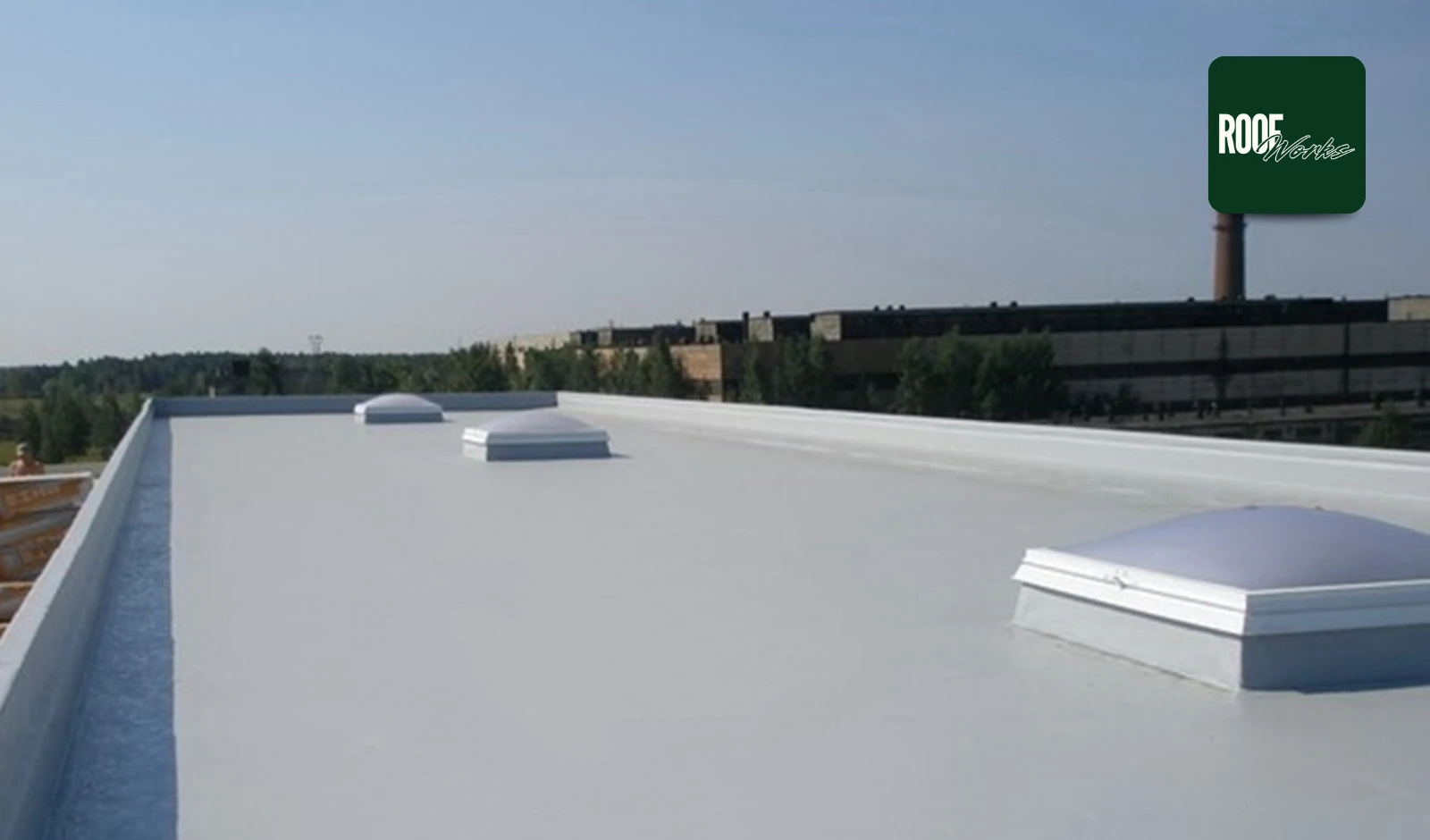
PVC roofing is a single-ply commercial roofing option known for strength and chemical resistance.
PVC Roofing Features
- Heat-welded seams for watertight joints
- High resistance to grease and chemicals
- Energy efficient due to reflective surfaces
- Fire-resistant and durable
PVC roofing is commonly used on restaurants, factories, and warehouses where chemical exposure or grease is a concern.
Metal Roofing for Commercial Buildings
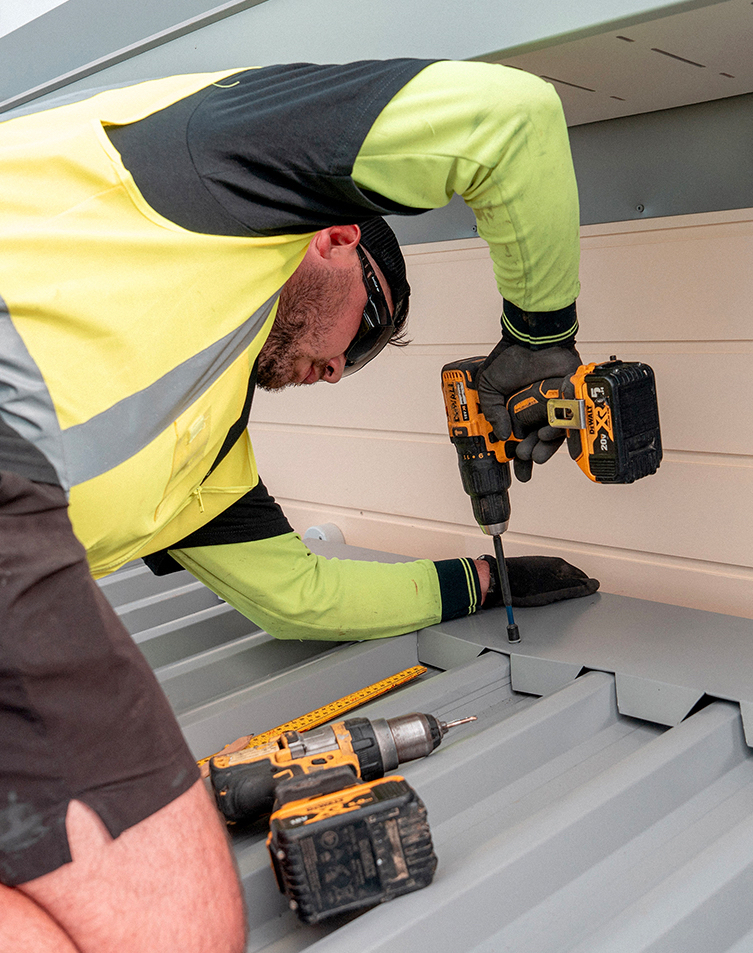
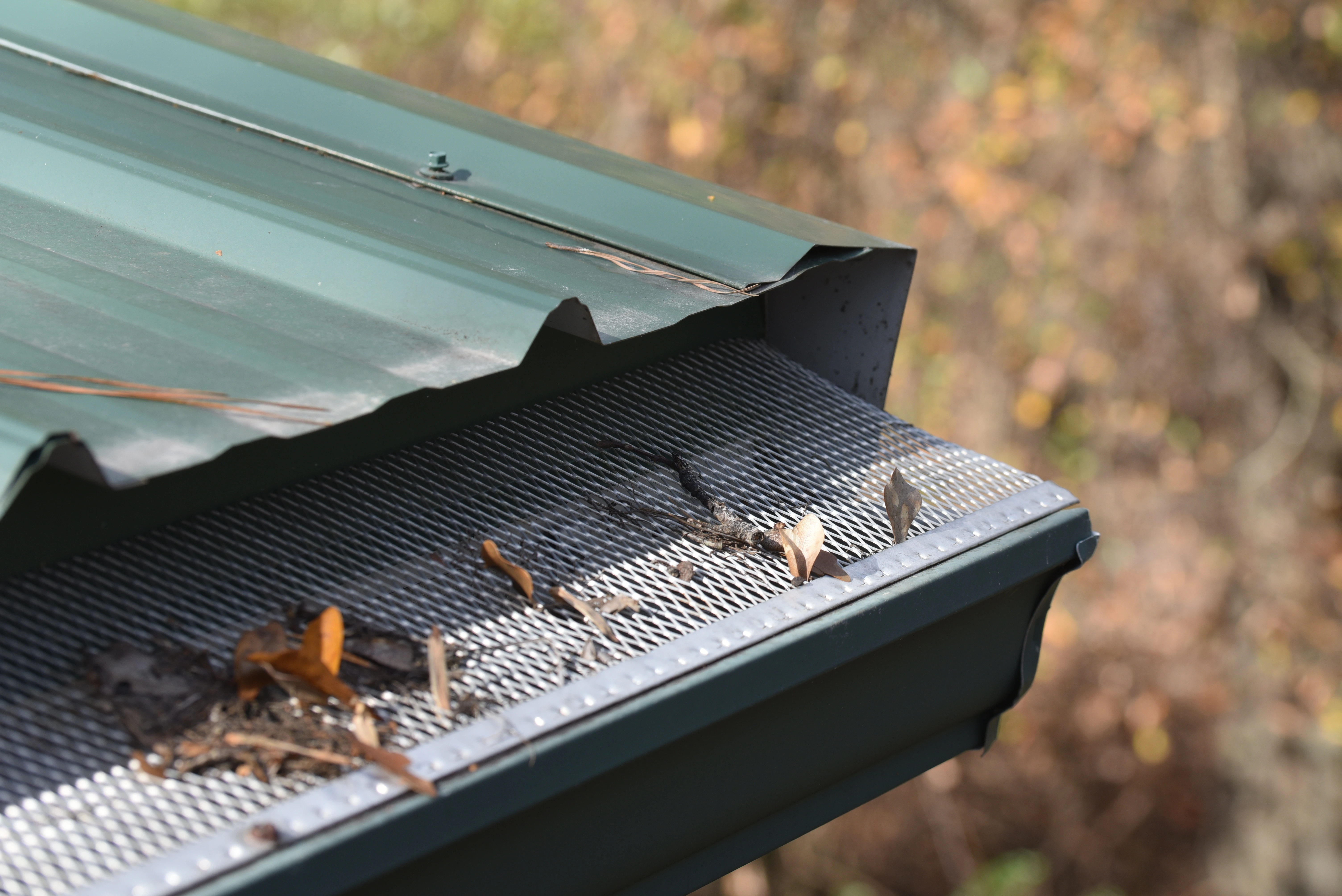
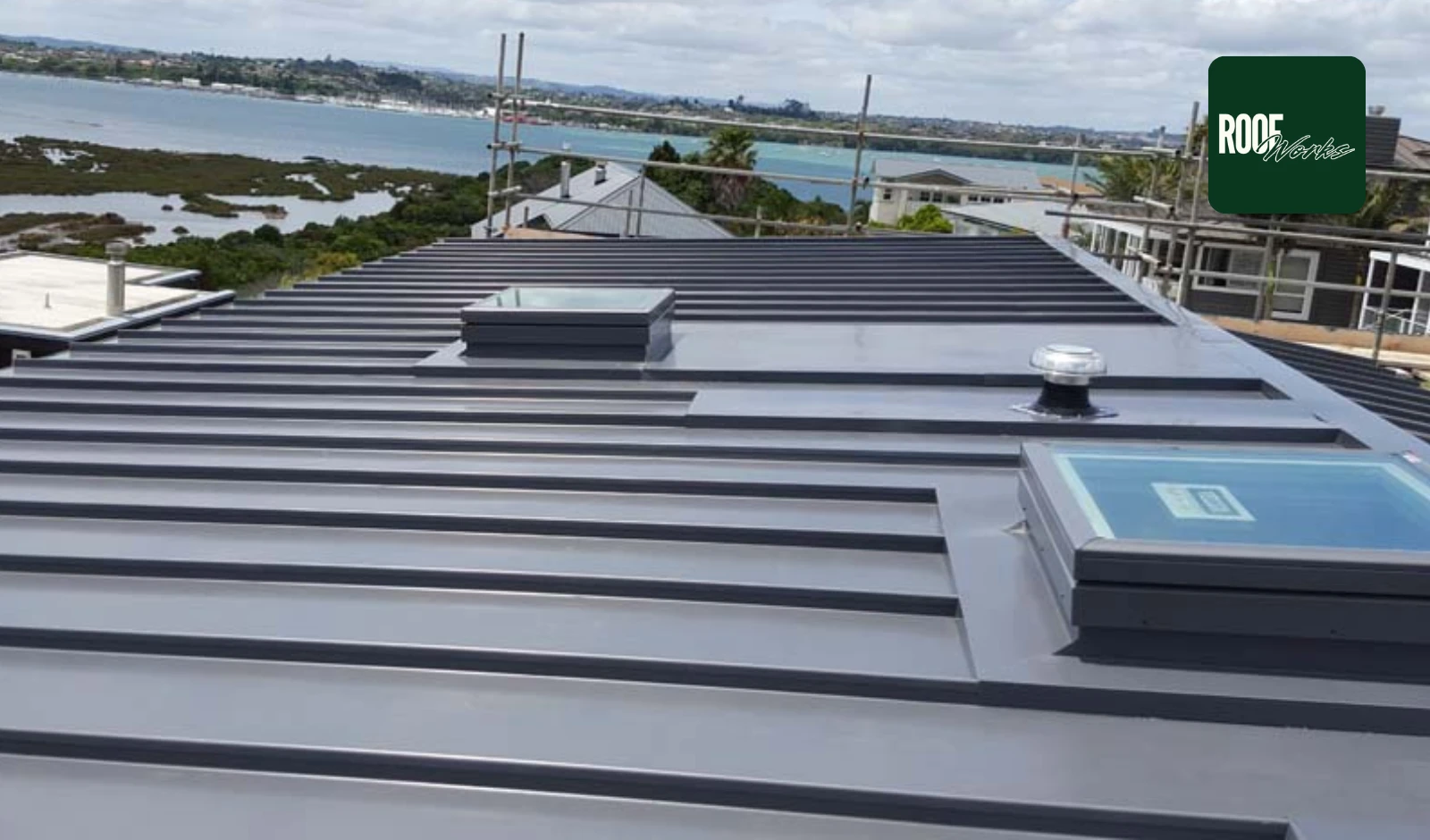
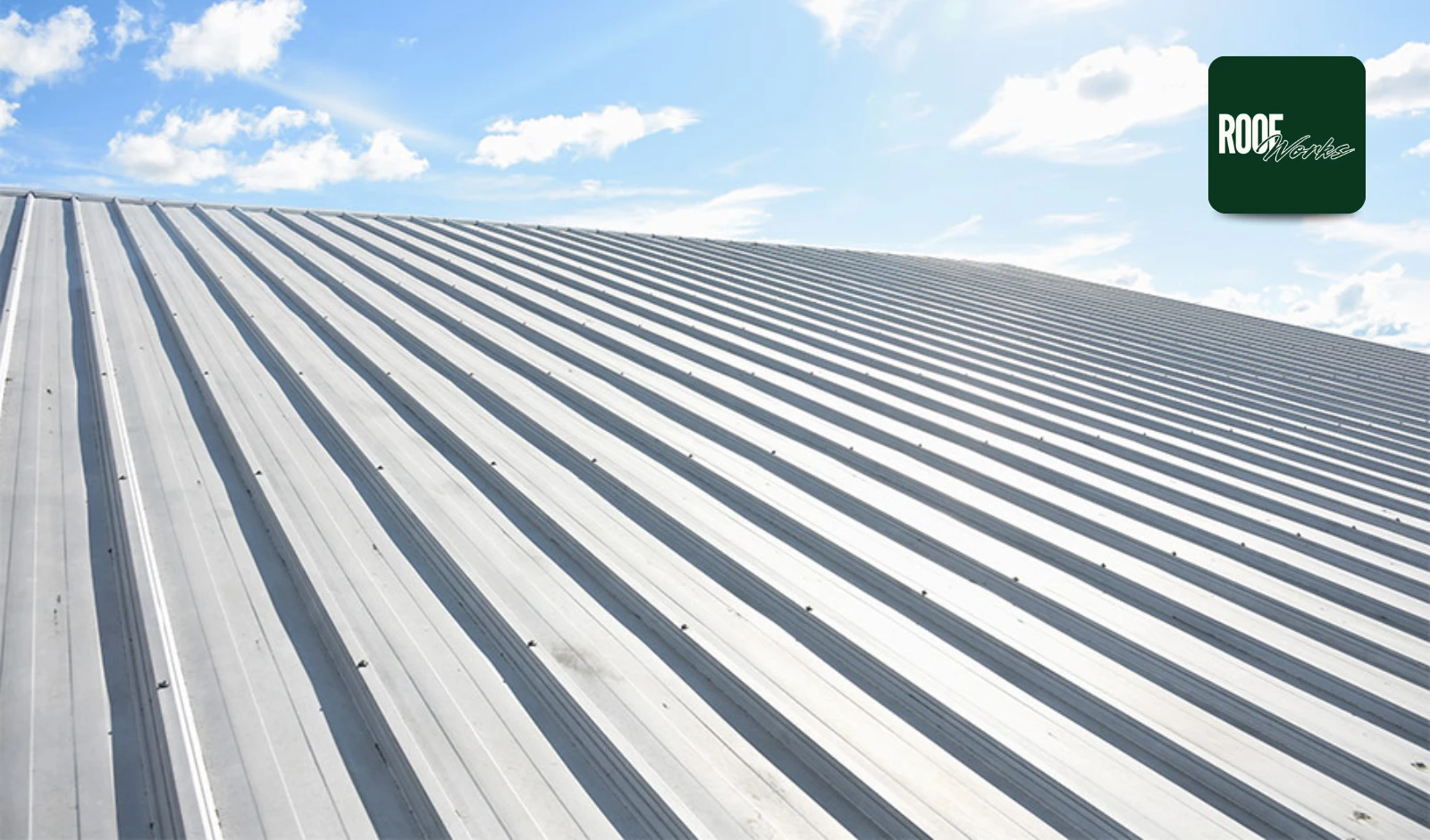
Metal roofing is widely used on commercial buildings, particularly where sloped commercial roofing is required.
Why Choose Metal Roofing
- High resistance to wind and severe weather
- Long lifespan with low maintenance needs
- Strong protection against UV rays
- Energy efficiency with reflective coatings
Metal roofing is often chosen for industrial facilities, retail centres, and buildings in regions with challenging weather conditions.
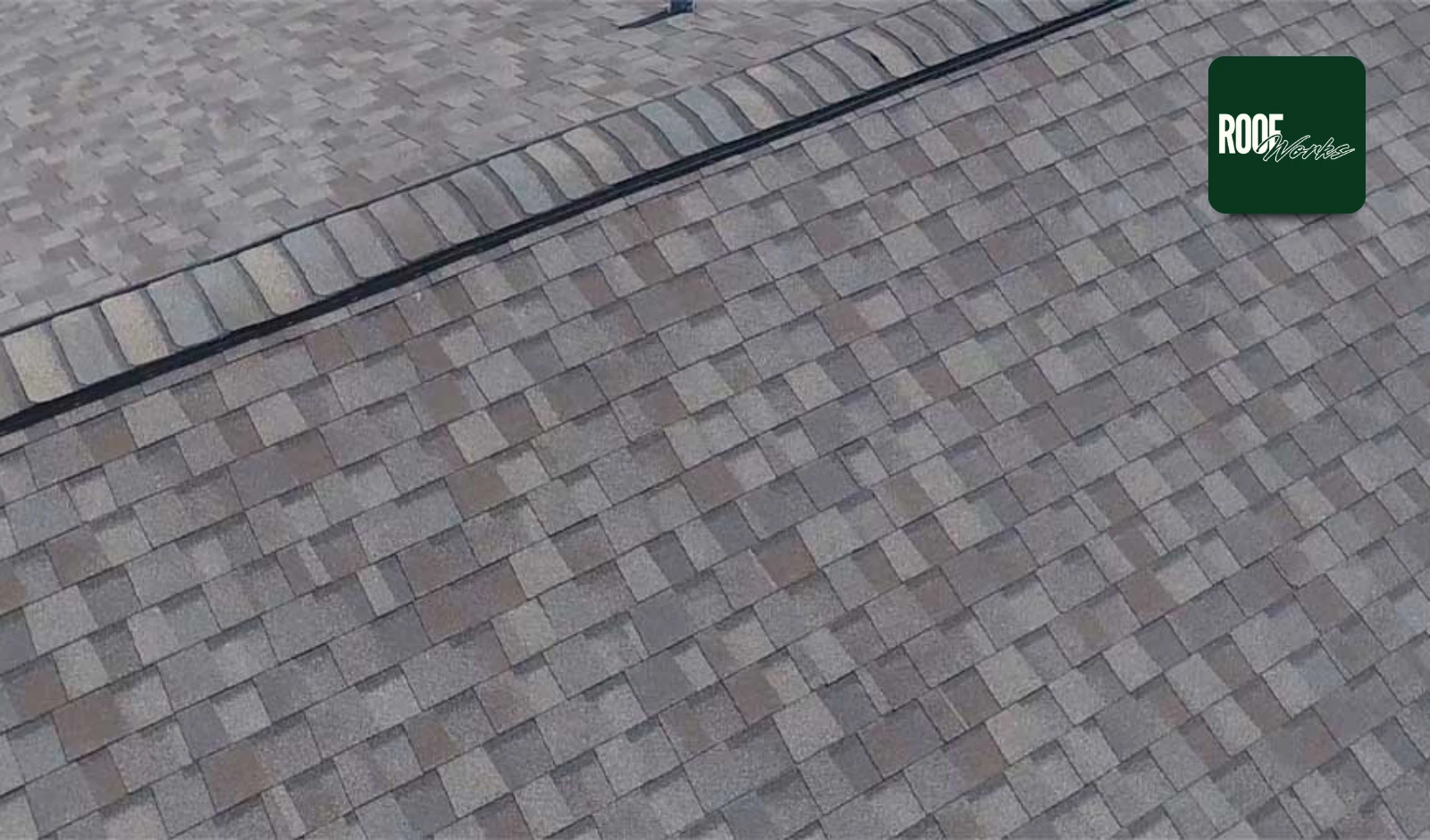
Asphalt Shingles in Commercial Roofing
Asphalt shingles are mostly associated with homes, but they are sometimes used on smaller commercial buildings.
When Asphalt Shingles Make Sense
- Small offices or retail units
- Steeper roof designs
- Projects with simpler roofing needs
Asphalt shingles are not ideal for flat roof systems, but they can work on certain commercial buildings with pitched roofs.
Energy Efficiency in Commercial Roof Systems
Energy efficiency is a major factor for commercial buildings. Roofing systems influence how much heat enters or escapes the building.
Many modern commercial roof systems are designed to reflect sunlight and reduce heat absorption. This helps control indoor temperatures and reduces strain on cooling systems. Over time, improved energy efficiency can contribute to lower operating costs and a more comfortable interior environment.
Fire Resistance and Safety
Fire-resistant roofing materials are essential for commercial buildings. Systems such as PVC roofing, EPDM roof membranes, modified bitumen, and metal roofing are often selected for their fire performance.
Fire resistance helps protect people, equipment, and the structure itself, especially in buildings that must meet strict safety standards.
Choosing the Right Commercial Roof System
Selecting the right commercial roof system depends on several factors:
- Building size and structure
- Roof slope and drainage design
- Local climate and UV exposure
- Energy efficiency goals
- Maintenance requirements and lifespan
Commercial roof repair specialists can inspect your building and recommend suitable options. Many property owners also search for reliable roof repair services near me when deciding whether repair or replacement is the best path forward.
Maintenance and Long-Term Performance
Even roofing systems with high resistance and a long lifespan require regular inspections to perform as intended. Small issues such as seam wear, drainage blockages, or surface damage can gradually worsen and lead to leaks if they are ignored.
Routine inspections help extend the life of the commercial roof system and reduce the risk of costly repairs. Preventive maintenance is often more effective than waiting for visible damage to appear, especially on flat roofs and low-slope systems, where problems may not be immediately obvious.
Consulting experienced roof repair specialists adds another layer of protection. Specialists can identify early warning signs, assess wear that may not be visible from the ground, and recommend timely maintenance before issues affect the building’s operations.
Final Thoughts
Commercial roof types vary widely, and each system is designed to meet different needs. From EPDM and modified bitumen to PVC, metal roofing, and BUR, understanding the types of commercial roofing systems available helps property owners make confident decisions.
Choosing the right commercial roof system improves weather resistance, supports energy efficiency, and protects the long-term value of a commercial building.
Get Expert Help With Commercial Roofing
Protecting your commercial property starts with choosing the right roofing system and maintaining it properly over time. A well-planned commercial roof helps manage weather exposure, supports energy efficiency, and reduces the risk of unexpected disruptions to your business.
Working with experienced professionals ensures your roof is assessed correctly, repair options are clearly explained, and long-term performance is prioritised. Whether you are planning routine maintenance, addressing damage, or considering future upgrades, expert guidance makes the process smoother and more reliable.
Call Roof Works today on 03 667 3174 or book online to save $15 and get expert help protecting your roof.


Got a question?
Contact us for a FREE installation quote or book your job online today.

Same Day Service Guarantee - Terms & Conditions

The "Same Day Service Guarantee or it's Free" applies to:
a. Residential work and Commercial only.
b. Jobs specified as needing same day service when booking a job by phone or online.
c. Residential and Commercial work booked with Grammar Electrical:
i) Before 11:00AM
ii) For calls or online bookings received after 11:00AM, the customer will be offered a job. Booking for the next business day and normal callout fees ($170+ GST) will apply.
iii) Any other jobs booked outside business hours (9:00AM - 5:00PM Monday- Friday) will incur after hours charges.
iv) This offer is excluded for jobs booked on New Zealand public holidays.
d. If Grammar Electrical are unable to attend on the same day (within 24 hours) for a job booked by the customer, the standard callout fee of $170 + GST will be waived and is free, but all other normal charges, fees and expenses will apply to perform the Electrical Services and to provide any products/materials concerning those services.
e. The Standard Callout Fee will be deducted from your bill as long as you pay within your invoice's due date. The callout charge is applicable if your invoice is overdue.
f. If Grammar Electrical are willing and able to perform the Service or provide the Goods on the same day the job is booked, however the Customer for whatever reason does not give access to their property on the day, Grammar Electrical will be deemed to have complied with it's "Same Day or it's Free" guarantee and shall be entitled to charge the customer the standard call-out fee.
g. This offer is not a guarantee of work being completed. The completion of the job will depend on stock availability and also the amount of work required.