

.webp)






.webp)
Replacing your roof is one of the biggest improvements you can make to protect your home. Whether you have a metal roof, tile roof, or an older asphalt shingle system, understanding how to replace a roof gives you more confidence as you plan your roofing project.
This guide explains how roof replacement NZ works, when to repair or replace, what the process involves, and why working with professionals is essential for long term results.
When Should You Replace Your Roof
Every roof has a natural lifespan. Sun exposure, strong winds, heavy rain, and general wear and tear all affect how long your roof can protect your home. Many homeowners also ask how often I should replace my roof, and the answer depends on the material, age, and condition of your roofing system.
Common signs it may be time to replace your roof include:
- A leaking roof that keeps returning
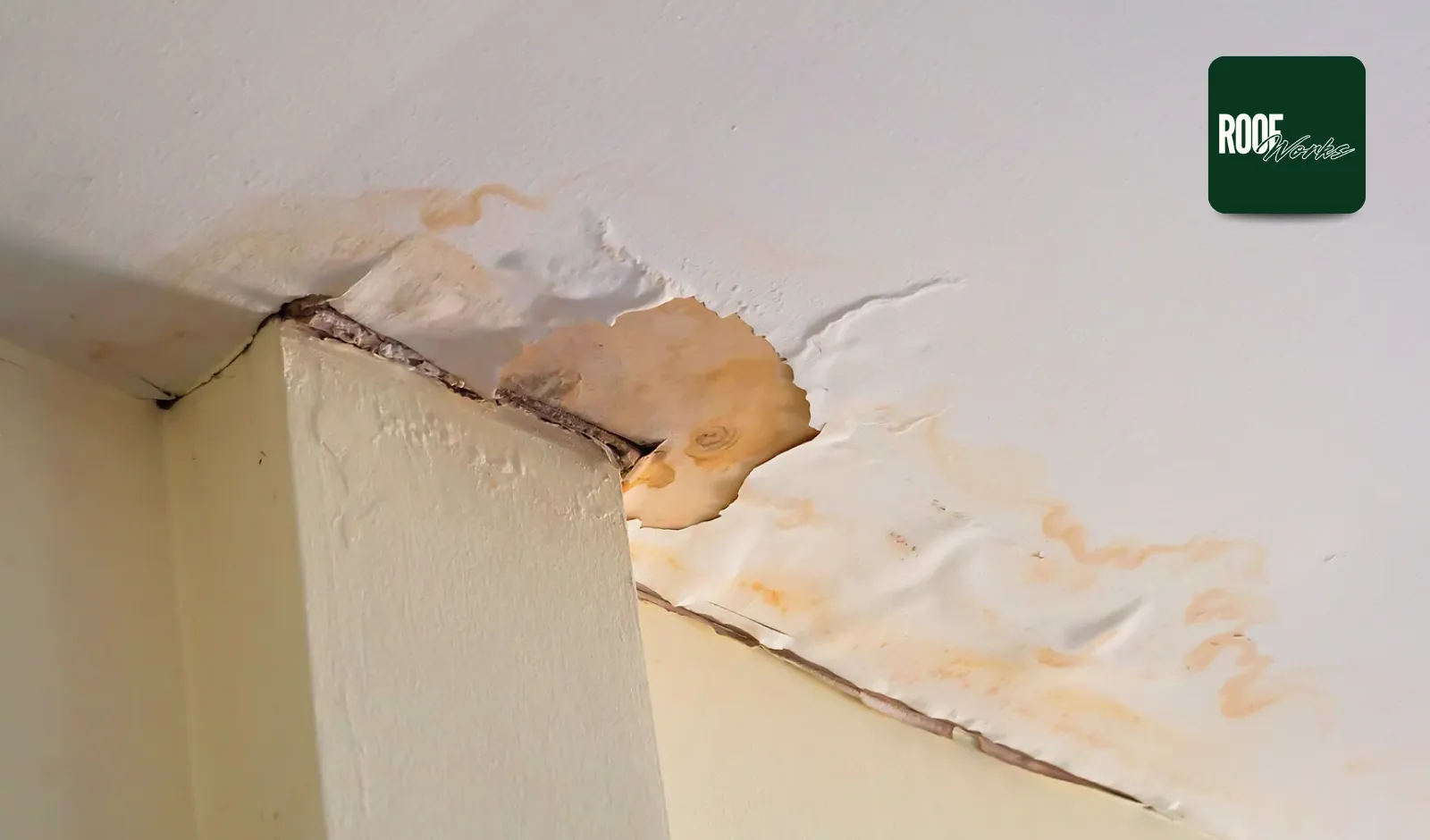
- Water stains on ceilings or walls
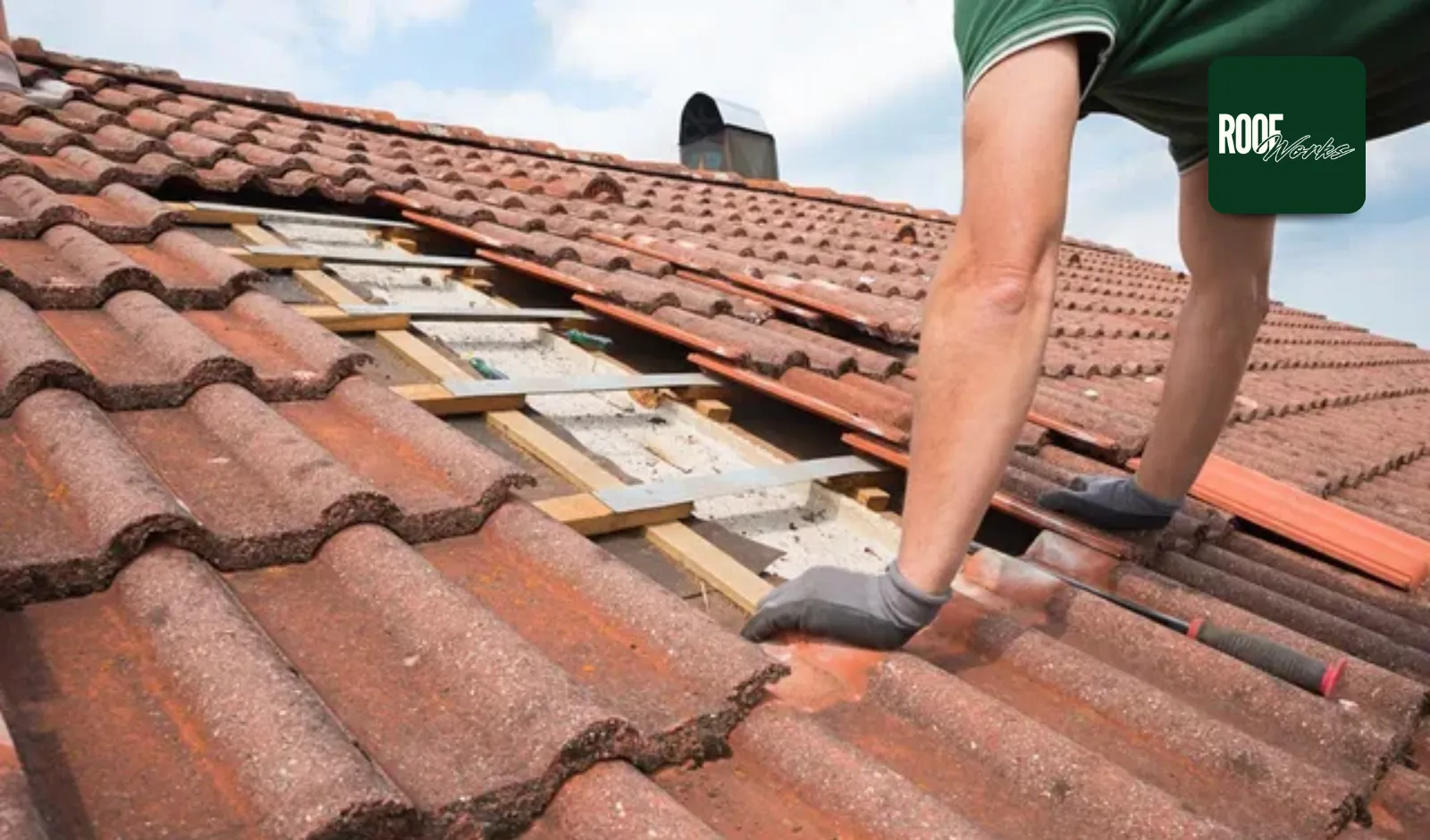
- Broken, cracked or slipping clay tiles
- Rust patches or loose sheets on a metal roof
- Older roofs approaching 20 to 50 years depending on the types of roofing materials
- Sagging areas caused by structural problems
- Repeated repairs that no longer last
If you are unsure, booking a roof inspection helps determine if you should repair or replace your roof.
Why Roof Replacement Is Important
A roof does more than keep you dry. It protects the structure of your home, prevents long term water damage, keeps your home energy efficient and reduces the risk of leaks spreading into walls and insulation.
Replacing your roof at the right time:
- Prevents mould and moisture issues
- Protects your timber framing
- Avoids expensive repairs later
- Supports safe roofing your home
- Ensures your property stays in good condition
- Improves the value and appearance of your home
A new residential roof is an investment in safety, strength, and long term peace of mind.
Repair or Replace: How to Decide
It can be hard to know whether you need roof repair or replacement. A simple repair may be enough if damage is small and localised. But replacement is recommended when:
- Roof leaks continue after several repairs
- The age of your roof suggests it is nearing the end of its life
- Your roof pitch or structure is weakened from moisture
- Large areas of roofing materials are damaged
- The overall cost of fixing multiple issues is close to or greater than the roof replacement cost
A professional roofer will help you choose the safest and most practical option.
How Roof Replacement Works: Step by Step
Understanding the process helps you know exactly what to expect when you replace your roof in NZ.
1. Roof Inspection
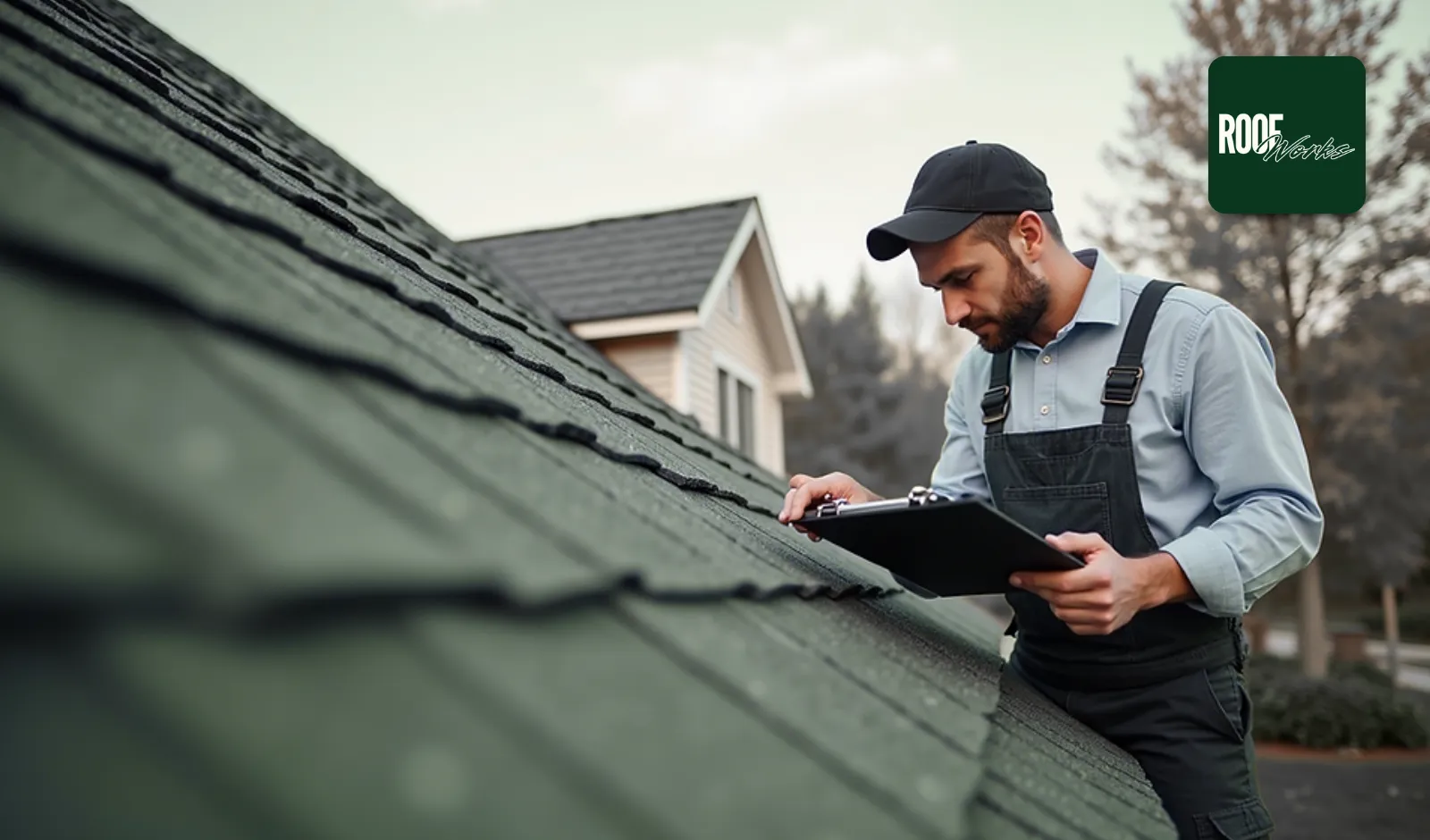
A professional roofing contractor checks the full system including:
- Roofing material
- Flashing
- Underlayment
- Roof pitch
- Structural framing under the roof
- Signs of water damage or mould
This inspection confirms what is needed to repair a roof or replace it entirely.
2. Planning and Building Consent
Some roof replacements require building consent depending on the design, roof pitch changes, or structural work. Your contractor will guide you through this if needed.
3. Removing the Old Roof
Your old roofing materials are carefully removed including:
- Old tiles
- Aged metal sheets
- Worn asphalt shingles
- Rusted or damaged flashing
Removing everything ensures the new roof has a clean, secure base.
4. Inspecting and Repairing the Structure
Before installing new materials, roofers check the framing and fix issues such as:
- Rot
- Weak rafters
- Moisture damage
- Loose fasteners
This strengthens the foundation of your roof for long term durability.
5. Installing New Underlayment and Flashing
A water-resistant underlay is installed to prevent leaks and protect the home from moisture. New flashing is fitted around edges, valleys, and chimneys.

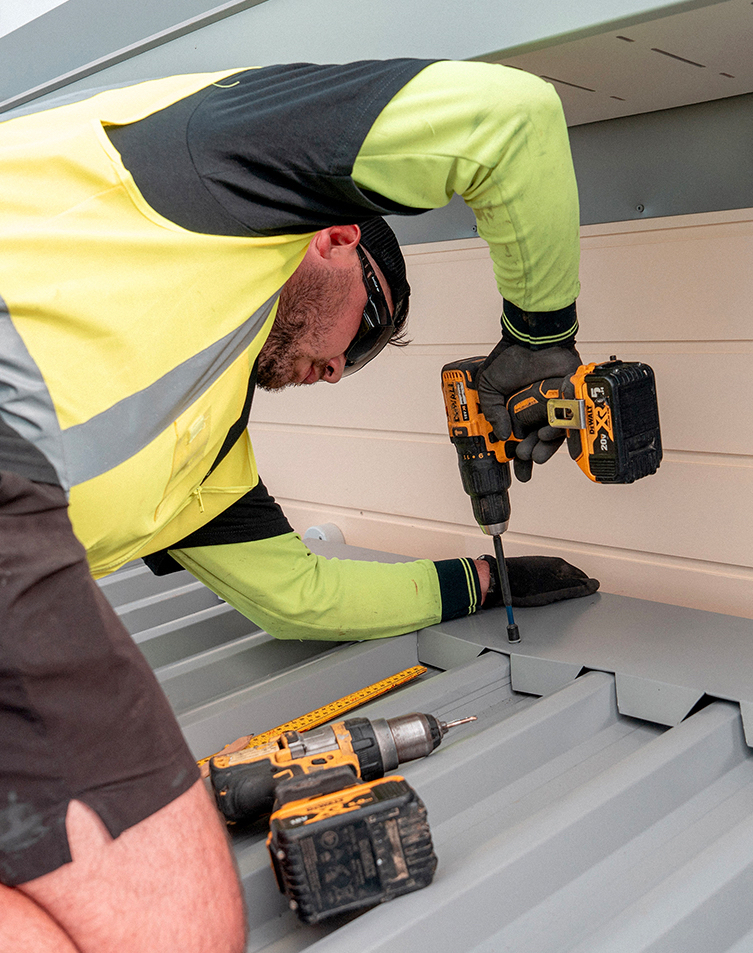
6. Installing Your New Roof Materials
Next, the new system is installed. This depends on the types of roofing materials you choose including:
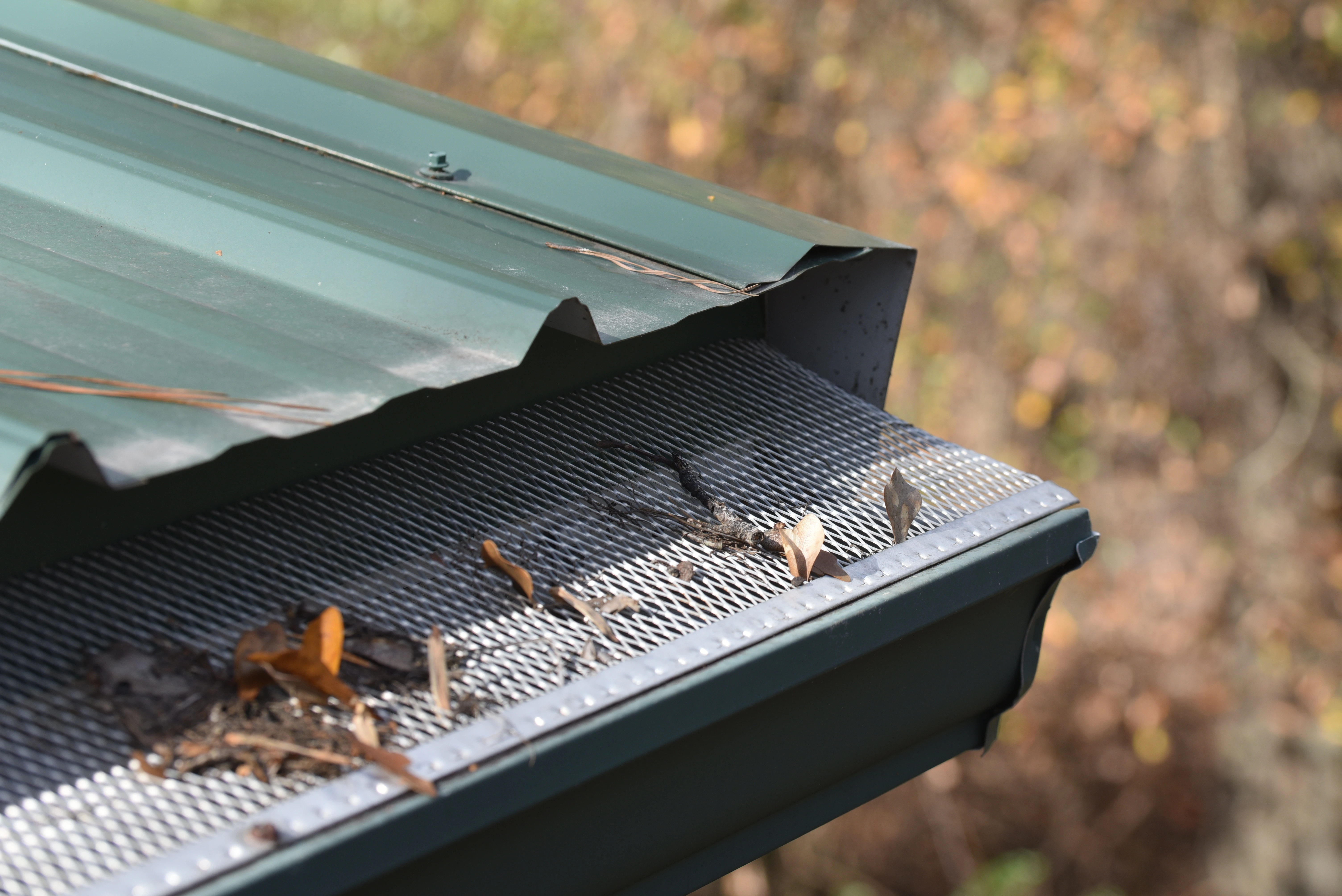
- Metal roof sheets for strength and low maintenance
- Tile roof options like concrete tile or clay tiles
- Asphalt shingle for simple residential roof styles
- Long run steel roofing for modern homes
- Other NZ roofing materials suitable for your roof pitch
Correct installation makes sure water flows properly and does not pool on the roof surface.
7. Sealing and Final Finishing
Roofers secure ridge caps, seal joins, and complete all final details to make sure your new roof is watertight and ready for NZ weather conditions.
8. Final Inspection and Cleanup
A final check ensures your new roof is stable, sealed, and ready to protect your home. The site is cleaned and all old materials are removed safely.
Thinking About Doing It Yourself?
If you have asked yourself, can I replace my own roof, it is important to understand the risks. Roofing is not a safe DIY project. Working at heights, handling heavy materials and getting the installation right all require professional training. Mistakes can lead to leaks, structural damage and voided warranties. Hiring a qualified roofer keeps your home protected and ensures the job is done properly.
Why Auckland Homeowners Choose Roof Works
When you want the job done right, experience and skill matter. Roof Works delivers:
- Over 30 years of experience in roof repair and replacement
- Experts in metal roof and tile roof installation
- Licensed professionals for residential and commercial projects
- High quality workmanship designed for long term performance
- Clear communication with no surprises
- Emergency roof leak repair
- A 1 year workmanship guarantee
We make roof replacement simple, safe, and stress free. Call 03 667 3174 or book online to save $15 on your next roofing service with Roof Works.


Got a question?
Contact us for a FREE installation quote or book your job online today.

Same Day Service Guarantee - Terms & Conditions

The "Same Day Service Guarantee or it's Free" applies to:
a. Residential work and Commercial only.
b. Jobs specified as needing same day service when booking a job by phone or online.
c. Residential and Commercial work booked with Grammar Electrical:
i) Before 11:00AM
ii) For calls or online bookings received after 11:00AM, the customer will be offered a job. Booking for the next business day and normal callout fees ($170+ GST) will apply.
iii) Any other jobs booked outside business hours (9:00AM - 5:00PM Monday- Friday) will incur after hours charges.
iv) This offer is excluded for jobs booked on New Zealand public holidays.
d. If Grammar Electrical are unable to attend on the same day (within 24 hours) for a job booked by the customer, the standard callout fee of $170 + GST will be waived and is free, but all other normal charges, fees and expenses will apply to perform the Electrical Services and to provide any products/materials concerning those services.
e. The Standard Callout Fee will be deducted from your bill as long as you pay within your invoice's due date. The callout charge is applicable if your invoice is overdue.
f. If Grammar Electrical are willing and able to perform the Service or provide the Goods on the same day the job is booked, however the Customer for whatever reason does not give access to their property on the day, Grammar Electrical will be deemed to have complied with it's "Same Day or it's Free" guarantee and shall be entitled to charge the customer the standard call-out fee.
g. This offer is not a guarantee of work being completed. The completion of the job will depend on stock availability and also the amount of work required.