

.webp)
.webp)
.webp)






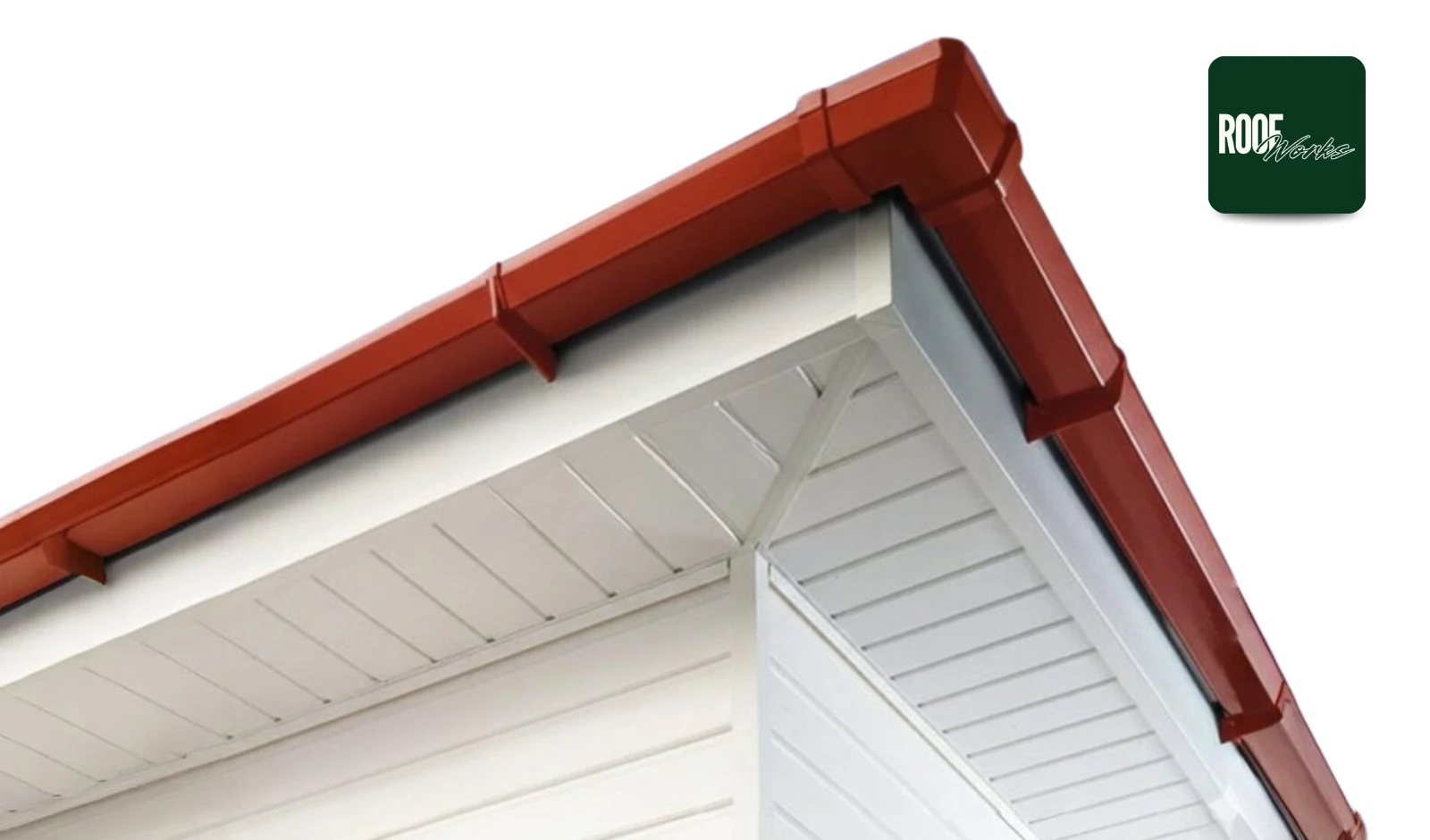


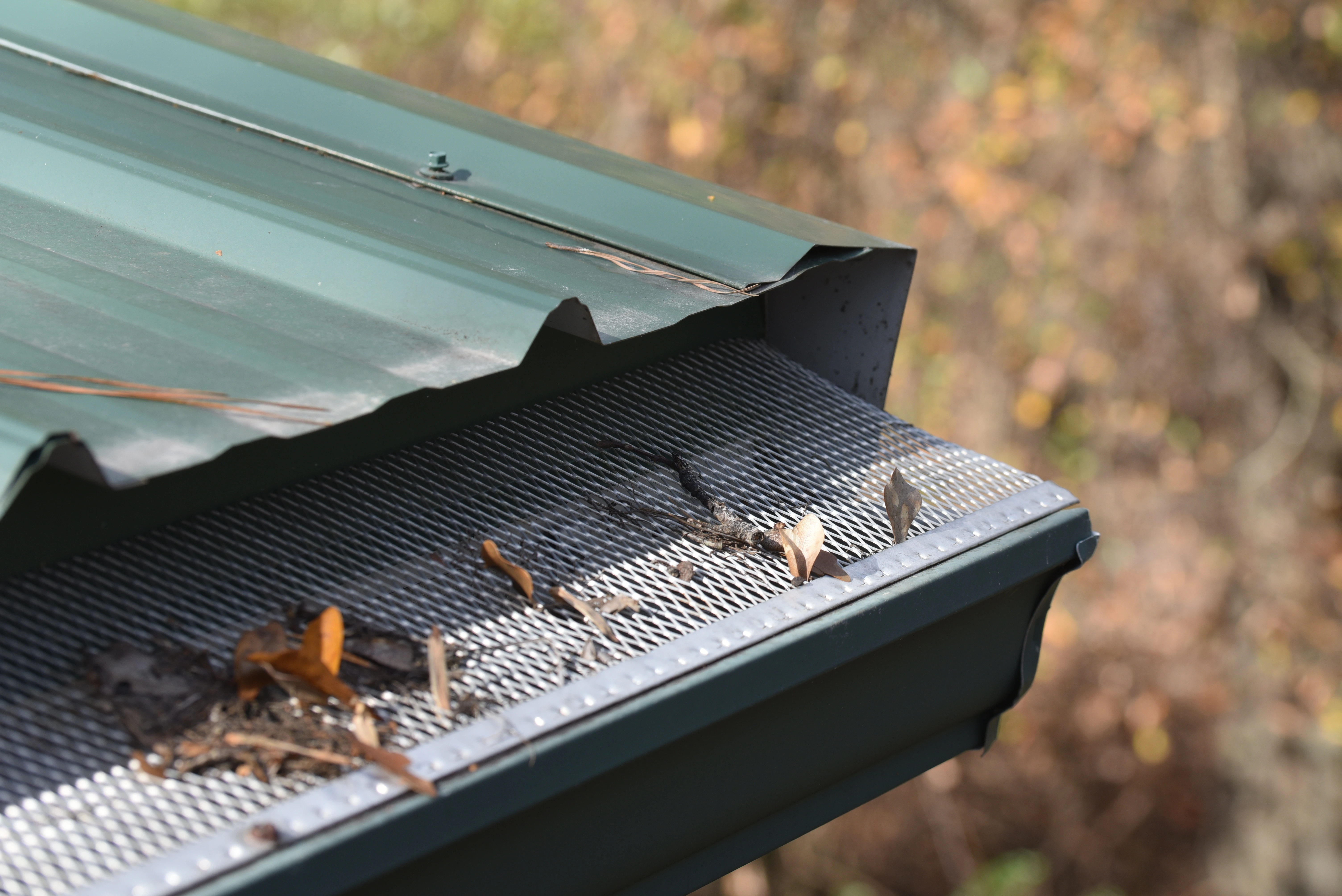
Many homeowners hear the term soffit but may not fully understand its purpose. Although it is not always noticeable, this part of the roof plays an important role in protecting the home and improving ventilation.
Installed beneath the roof overhang, it works together with the fascia board to protect the roof edges from weather exposure. It also helps improve the appearance of the home’s exterior by creating a clean and finished look along the roofline.
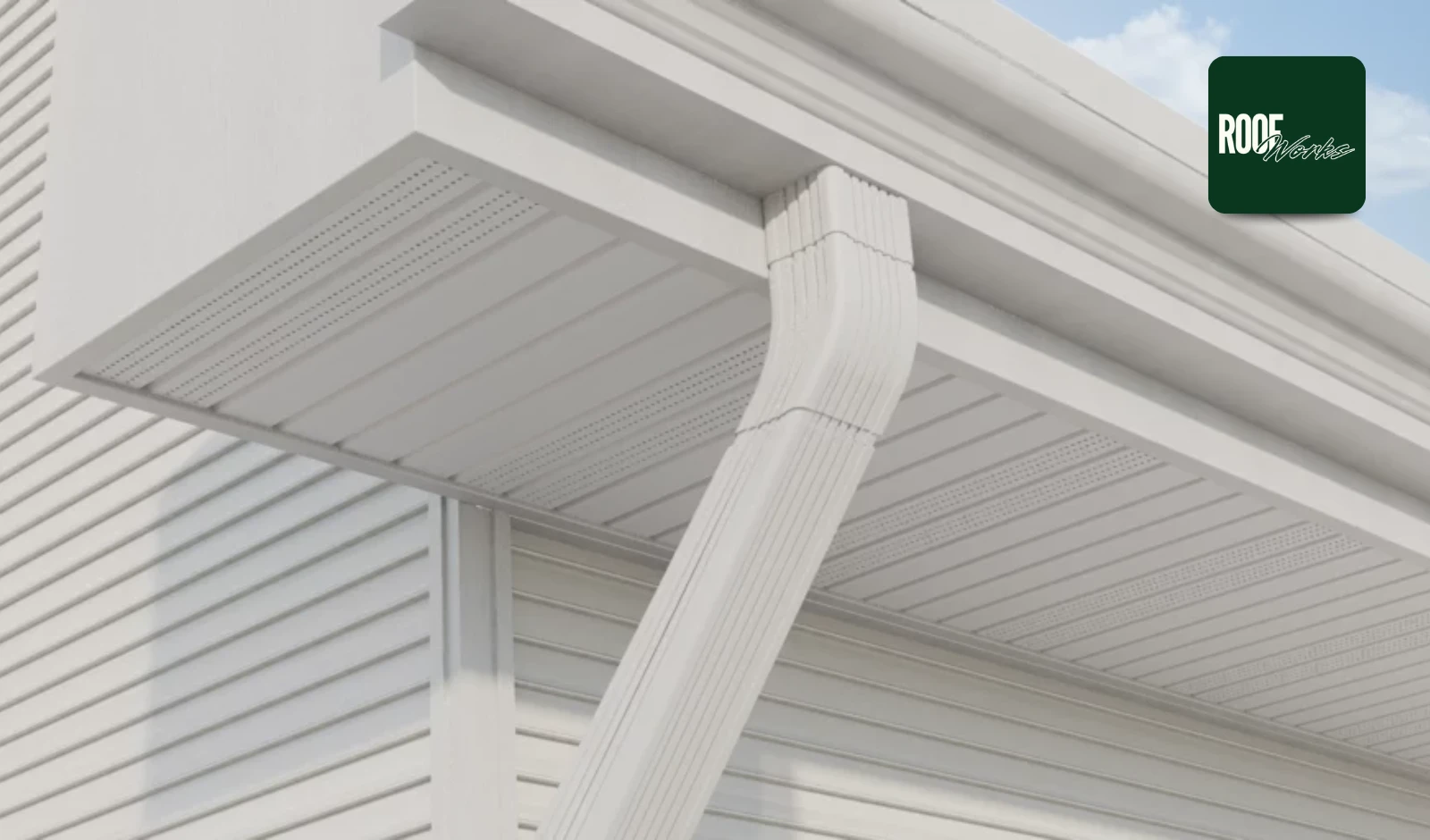
What Is a Soffit on a House?
A soffit is the material fitted underneath the roof overhang. It covers the exposed underside of the roof structure and helps protect the home from moisture, pests, and weather exposure.
It also supports airflow into the roof cavity, helping reduce heat and condensation buildup. Along with the fascia board, it helps create a clean and finished look along the roofline.
Why This Part of the Roof Is Important
Helps Improve Ventilation
Many homes include ventilation panels beneath the roof overhang that allow fresh air to flow into the attic or roof space. Proper airflow can help reduce trapped moisture and excess heat inside the roof cavity.
Good ventilation may help:
- Reduce condensation buildup
- Lower the risk of mould and mildew
- Protect roofing materials over time
- Improve overall roof performance
Helps Protect Against Moisture
This protective layer helps shield exposed roof framing from rain, damp conditions, and changing weather. Without proper airflow, moisture can become trapped and increase the risk of rot or water damage.
Improves Street Appeal
Well-maintained roof edges help give the home a cleaner and more polished appearance. Combined with fascias and guttering, they contribute to a tidy and finished exterior.
Common Materials Used
There are several options available when choosing a type of soffit material. The right choice depends on style, durability, and maintenance preferences.
- Vinyl Soffit - Vinyl soffit is a popular choice because it is lightweight, durable, and resistant to many weather conditions. It is also low maintenance and does not usually require painting.
- Timber Options - Timber designs can provide a natural appearance and may feature a wood-grain finish. However, timber products may require regular maintenance to prevent weather damage.
- Fibre Cement Soffit - Fibre cement soffit is known for its durability and moisture resistance. It is often chosen for homes exposed to changing weather conditions.
The Difference Between Roof Edges and Fascias
This roof component and the fascia board work together but serve different purposes.
The underside covering protects the lower part of the roof overhang, while the fascia board runs along the outer roof edge and supports the guttering system. Together, soffits and fascias help protect the roof structure and improve the appearance of the home.
Signs of Damage
Over time, roofline materials can deteriorate due to moisture, ageing, or weather exposure.
Common warning signs include:
- Cracks or holes
- Peeling paint or water stains
- Mould or signs of rot
- Poor airflow in the roof space
- Pest activity near the roofline
- Loose or sagging sections
Addressing these problems early can help prevent more serious roofing damage later on. Professional roof repair specialists can inspect the roofline, ventilation areas, and structural components for signs of wear or water damage.
Final Thoughts
A soffit is an important part of the roofing system that helps protect the underside of the roof while supporting airflow and ventilation inside the roof cavity. It also plays a key role in moisture control and helps maintain the appearance of the home’s exterior.
Understanding the purpose of soffits can help homeowners recognise the importance of regular roof maintenance and inspections. Keeping these areas in good condition can support long-term roof performance and help reduce the risk of costly future repairs.
Protect Your Roof and Roofline
Damage around the roofline can lead to moisture problems, poor ventilation, and costly repairs if left untreated. Regular inspections and maintenance help protect both the roof structure and the overall appearance of your home.
Call Roof Works today on 03 667 3174 or book online to save $15. Experienced roofing professionals can inspect your roofline, identify hidden issues, and provide reliable long-term solutions.


Got a question?
Contact us for a FREE installation quote or book your job online today.

Same Day Service Guarantee - Terms & Conditions

The "Same Day Service Guarantee or it's Free" applies to:
a. Residential work and Commercial only.
b. Jobs specified as needing same day service when booking a job by phone or online.
c. Residential and Commercial work booked with Grammar Electrical:
i) Before 11:00AM
ii) For calls or online bookings received after 11:00AM, the customer will be offered a job. Booking for the next business day and normal callout fees ($170+ GST) will apply.
iii) Any other jobs booked outside business hours (9:00AM - 5:00PM Monday- Friday) will incur after hours charges.
iv) This offer is excluded for jobs booked on New Zealand public holidays.
d. If Grammar Electrical are unable to attend on the same day (within 24 hours) for a job booked by the customer, the standard callout fee of $170 + GST will be waived and is free, but all other normal charges, fees and expenses will apply to perform the Electrical Services and to provide any products/materials concerning those services.
e. The Standard Callout Fee will be deducted from your bill as long as you pay within your invoice's due date. The callout charge is applicable if your invoice is overdue.
f. If Grammar Electrical are willing and able to perform the Service or provide the Goods on the same day the job is booked, however the Customer for whatever reason does not give access to their property on the day, Grammar Electrical will be deemed to have complied with it's "Same Day or it's Free" guarantee and shall be entitled to charge the customer the standard call-out fee.
g. This offer is not a guarantee of work being completed. The completion of the job will depend on stock availability and also the amount of work required.